Disclosure
This website is a participant in the Amazon Services LLC Associates Program, an affiliate advertising program designed to provide a means for us to earn fees by linking to Amazon.com and affiliated sites.
Inline skating traces its origins back to the 18th century, when the first roller skates were invented in London. However, the modern inline skate as we know it emerged in the 1980s when hockey players Scott and Brennan Olson adapted roller skates for off-season training. Their company, Rollerblade, became synonymous with the sport and helped popularize it worldwide.
Best Inline Skates for Beginners and Enthusiasts
Rollerblade Zetrablade
The Rollerblade Zetrablade is perfect for beginners, offering a comfortable fit with its breathable liner and cushioned cuffs. The 80mm wheels provide smooth rides, while the aluminum frame ensures stability. Ideal for fitness skating and urban commutes.
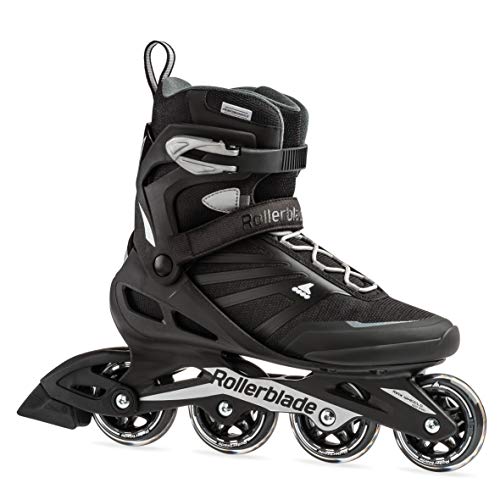
- IDEAL FOR CASUAL AND NOVICE SKATERS – Entry-level balanced skate for men…
- HIGH CUFF FOR ADDED SUPPORT – Durable shell makes learning to skate easier
- COMFORT PERFORMANCE LINER – Padded liner and secure closure system ensure…
K2 Kinetic 80 Pro
The K2 Kinetic 80 Pro features a soft boot design for all-day comfort and responsive control. Its 80mm high-rebound wheels deliver speed and agility, making it great for intermediate skaters. The lightweight frame enhances maneuverability on varied surfaces.

- Speed Lacing – Secures skates with one pull making it easy to put on and…
- Stability Plus Cuff – Provides the right amount of support, flexibility,…
- F.B.I. frame – is a vibration-absorbing composite frame that is interlocked…
Powerslide Phuzion Radon 90
For advanced skaters, the Powerslide Phuzion Radon 90 stands out with 90mm wheels for faster, smoother rides. The trinity frame system improves power transfer, and the adjustable cuff ensures a secure fit. Perfect for long-distance and freestyle skating.

- Boot Type: Softboot with TRINITY X 3-point mounting, fixed liner, EVA…
- Frame: Powerslide Elite, ADC10 aluminum, TRINITY 3-point mounting, 10.8″…
- Wheel Specs: Powerslide Phuzion, 90mm / 83A, High Rebound, Cruising Comfort
From Niche Sport to Mainstream Phenomenon
The 1990s saw inline skating explode in popularity, becoming one of the fastest-growing sports in America. Several key developments fueled this growth:
- Technological advancements: Improved wheel materials (polyurethane replacing clay) and bearing systems made skating smoother and faster
- Specialized designs: Different skate types emerged for fitness, aggressive, speed, and recreational skating
- Urban infrastructure: Cities began developing dedicated bike paths that skaters could utilize
Today, inline skating has evolved into multiple distinct disciplines, each with its own equipment and techniques. Fitness skaters might use lightweight frames with 80-90mm wheels, while aggressive skaters prefer smaller, harder wheels and reinforced boots for grinding rails.
Modern Applications and Cultural Impact
Beyond recreation, inline skating serves practical purposes in various fields:
Professional sports: NHL players frequently use inline skates for off-ice training, as the motion closely mimics ice skating. Many Olympic speed skaters also incorporate inline training into their regimens.
Urban mobility: In crowded European cities, inline skates have become a legitimate commuting option. Paris even hosts weekly “Friday Night Skate” events where thousands of skaters take over the streets.
Fitness benefits: Studies show inline skating burns 400-600 calories per hour while being low-impact on joints. Many fitness enthusiasts prefer it over running for its cardiovascular benefits and full-body engagement.
Despite misconceptions that inline skating is just for kids or extreme sports enthusiasts, it remains a versatile activity accessible to all ages and skill levels. Modern skate designs have addressed early issues like poor braking systems and uncomfortable boots, making the sport safer and more enjoyable than ever.
Essential Gear and Safety Equipment for Inline Skating
Proper equipment selection makes the difference between an enjoyable skating experience and potential frustration or injury. While skates are the obvious starting point, several other components deserve equal attention for optimal performance and safety.
Choosing the Right Skate Components
The anatomy of an inline skate consists of three critical systems that work together:
- Boot construction: Soft boots offer comfort for recreational skating, while hard-shell boots provide ankle support for aggressive maneuvers. Hybrid designs combine both benefits.
- Wheel configuration: Beginners should start with 76-80mm wheels (softer durometer for grip), while advanced skaters may prefer 90-110mm wheels (harder compound for speed).
- Frame material: Aluminum frames offer durability for tricks, while composite frames reduce weight for distance skating. High-end models use aircraft-grade aluminum or carbon fiber.
Non-Negotiable Safety Gear
Professional skaters consider these four protective items mandatory, regardless of skill level:
- Helmets: Look for CPSC or EN1078 certification with proper ventilation. Multi-impact helmets with MIPS technology provide superior protection.
- Wrist guards: Should feature dual splints (top and bottom) to prevent hyperextension during falls. Gel padding reduces impact shock.
- Knee pads: Must stay in place during movement – look for anatomical shaping and non-slip silicone grippers.
- Elbow pads: Should offer hard plastic caps with breathable mesh backing for comfort during extended use.
Performance-Enhancing Accessories
Serious skaters often invest in these specialized tools:
Bearing maintenance kits: Include speed cream lubricant, bearing cleaners, and removal tools to extend component life. Ceramic bearings (like Bones Swiss) offer superior performance in wet conditions.
Custom orthotics: Heat-moldable footbeds (such as Superfeet) adapt to individual foot contours, preventing hot spots during long sessions.
Skate tools: Multi-tools with Allen wrenches and axle drivers allow on-the-go adjustments to frame alignment and wheel tightness.
Remember that proper fit trumps all other considerations – skates should feel snug without restricting circulation, and safety gear must stay securely positioned during dynamic movements. Many skate shops offer professional fitting services to ensure optimal equipment selection.
Mastering Fundamental Inline Skating Techniques
Developing proper technique transforms inline skating from a challenging activity to an effortless, enjoyable experience. These foundational skills create the building blocks for all advanced maneuvers while preventing common injuries.
The Science of Balance and Stance
Proper skating posture relies on biomechanical principles that optimize stability and efficiency:
| Element | Correct Position | Purpose |
|---|---|---|
| Body Alignment | Knees bent at 110-120°, hips slightly forward | Lowers center of gravity and prepares for push-off |
| Arm Position | Elbows at 90°, hands in front at waist level | Maintains rotational balance during strides |
| Foot Placement | Feet shoulder-width apart, staggered slightly | Creates stable base and prepares for weight transfer |
Core Movement Patterns
These four essential techniques form the foundation of all inline skating:
- The Basic Stride: Push diagonally backward with full leg extension, transferring weight completely between skates. Common mistake: pushing sideways instead of backward reduces power.
- Scissor Position: Maintain one foot slightly ahead when coasting. Advanced skaters use this for speed control – wider scissors create more drag.
- Proper Falling Technique: Crouch low and fall forward onto padded knees and wrists. Never reach backward – this causes wrist fractures.
- T-Stop Braking: Drag the back skate perpendicular at 90°, applying gradual pressure. Requires equal weight distribution to maintain control.
Progressive Skill Development
Build competence systematically through these training phases:
- Static Balance: Practice stationary positions on grass or carpet first to develop muscle memory
- Controlled Gliding: Focus on smooth weight transfers before adding speed
- Edge Control: Learn to use inside/outside edges for precise turns and stops
- Dynamic Drills: Incorporate cone weaving and obstacle courses to develop agility
Professional coaches recommend spending 20% of practice time on new skills and 80% reinforcing fundamentals. This ratio prevents plateaus while ensuring technique doesn’t degrade as skills advance. Always warm up with basic drills – even Olympic-level skaters maintain this discipline.
Advanced Skating Techniques and Performance Optimization
Once fundamental skills are mastered, skaters can progress to advanced techniques that enhance speed, efficiency, and artistic expression. These methods draw from principles of physics and kinesiology to maximize performance.
Efficient Stride Mechanics
Professional speed skaters utilize three key biomechanical principles to minimize energy expenditure:
- Full extension push-offs: Complete leg extension (160-175°) generates maximum propulsion. Incomplete pushes waste 30-40% of potential power.
- Precise edge angles: 45° edge angles during pushes optimize force transfer. Use inside edges for straightaways, outside edges for turns.
- Recovery trajectories: Swing returning leg in a circular motion close to the skating leg to maintain momentum.
Advanced Braking Systems
Beyond basic T-stops, these professional-grade stopping techniques offer superior control:
| Technique | Best For | Key Points |
|---|---|---|
| Parallel Slide | High-speed stops | Requires precise weight shift to back foot (70/30 distribution) |
| Powerslide | Wet conditions | Lead foot turns 90° while trailing foot maintains forward momentum |
| Soul Slide | Urban environments | Combines sideways slide with controlled upper body rotation |
Cross-Training for Skating Performance
Elite skaters incorporate these supplemental exercises to enhance specific skills:
- Plyometric jumps: Improve explosive push-off power (box jumps recommended)
- Bosu ball training: Develops micro-muscles for better edge control
- Yoga flows: Increases hip flexibility for deeper stride extensions
- Roller ski drills: Enhances arm-leg coordination for racing techniques
Professional coaches recommend periodized training with 4-6 week cycles alternating between endurance, power, and technique phases. Always include recovery weeks to prevent overuse injuries – common in skating due to repetitive motion patterns. Advanced skaters should video analyze their form monthly to identify subtle inefficiencies invisible during skating.
Remember that equipment maintenance becomes increasingly important at advanced levels. High-performance bearings require cleaning every 50-75 miles, and wheels should be rotated every 10-15 hours of skating to prevent uneven wear patterns that affect technique.
Equipment Maintenance and Long-Term Performance Optimization
Proper skate maintenance significantly impacts performance, safety, and equipment longevity. Professional skaters follow rigorous maintenance schedules that can extend component life by 300-400% compared to casual maintenance habits.
Comprehensive Bearing Care Protocol
High-performance bearings require meticulous attention due to their precision engineering:
| Maintenance Task | Frequency | Key Details |
|---|---|---|
| Deep Cleaning | Every 50-75 miles | Use citrus-based solvents, never petroleum (degrades shields) |
| Lubrication | Every 15-20 hours | Teflon or ceramic-infused oils outperform traditional lubricants |
| Inspection | Weekly | Check for radial play (should be <0.5mm) and smooth rotation |
Wheel Management Strategies
Professional skaters implement these wheel maintenance techniques to optimize performance:
- Rotation patterns: Follow the “X-pattern” rotation every 10 hours to ensure even wear (front-left to rear-right, etc.)
- Durometer matching: Mix wheel hardness strategically – harder wheels (85A+) for smooth surfaces, softer (78A-82A) for rough terrain
- Profile maintenance: Use wheel shaping tools to maintain optimal contact patch (round profile for speed, flat for stability)
Frame and Boot Preservation
Structural components require specialized care for maximum lifespan:
- Frame bolts: Check torque monthly (typically 8-10Nm) using thread locker to prevent vibration loosening
- Boot liners: Remove and air dry after each use to prevent bacterial growth and material breakdown
- Buckling systems: Lubricate ratchets with silicone spray quarterly to maintain smooth operation
- Composite care: UV-protectant sprays prevent resin degradation in carbon fiber components
Environmental factors dramatically affect maintenance needs. Coastal skaters should rinse equipment after each session to prevent salt corrosion, while urban skaters need more frequent bearing cleanings due to particulate contamination. The table below shows how climate impacts maintenance frequency:
| Environment | Bearing Service | Wheel Rotation |
|---|---|---|
| Dry Urban | Every 35 miles | Every 8 hours |
| Coastal | Every 25 miles | Every 6 hours |
| Indoor | Every 75 miles | Every 15 hours |
Emerging technologies like self-lubricating bearings and graphene-infused wheels promise to revolutionize maintenance routines, potentially doubling current service intervals while improving performance characteristics.
Competitive Inline Skating Disciplines and Specialized Training
Modern inline skating has evolved into several distinct competitive disciplines, each requiring unique equipment configurations, training methodologies, and technical skillsets. Understanding these variations helps skaters specialize effectively.
Major Competitive Categories
Professional inline skating features five primary competition formats with distinct requirements:
| Discipline | Wheel Configuration | Key Skills | Training Focus |
|---|---|---|---|
| Speed Skating | 4x110mm or 3x125mm | Aerodynamic positioning, endurance pacing | VO2 max development, lactate threshold |
| Aggressive Street | 4×58-64mm (flat setup) | Grinds, air tricks, rail slides | Plyometrics, spatial awareness |
| Artistic/Freeskating | 4x80mm (rockered) | Spins, jumps, footwork sequences | Ballet training, core stability |
| Downhill Racing | 3×100-110mm | High-speed cornering, slide control | Reflex training, gravity positioning |
| Roller Hockey | 4×76-80mm | Quick stops, lateral movement | Interval training, stick handling |
Discipline-Specific Training Protocols
Each competitive category requires tailored physiological development:
- Speed skaters: Follow periodized training with 70% endurance work (long distance), 20% interval training (30-90 second bursts), and 10% technique refinement
- Aggressive skaters: Focus on 3:1 strength-to-flexibility ratio – heavy squats/deadlifts combined with dynamic yoga flows
- Artistic skaters: Incorporate off-ice rotational training using spinner boards and harness systems
Equipment Customization Strategies
Elite competitors modify standard equipment for competitive advantage:
- Frame stiffness tuning: Speed skaters use carbon fiber inserts to adjust flex patterns for different tracks
- Custom wheel profiles: Downhill racers machine wheels to specific edge angles (typically 45-50° for optimal slide initiation)
- Boot modifications: Artistic skaters heat-mold boots with additional ankle articulation points for greater range of motion
- Bearing preload adjustment: Hockey players fine-tune bearing tension to balance speed and quick-start responsiveness
Transitioning between disciplines requires careful adaptation periods. The neuromuscular system typically needs 6-8 weeks to adjust to new equipment configurations and movement patterns. Many professional skaters use cross-discipline training during off-seasons to prevent overuse injuries while maintaining conditioning.
Injury Prevention and Long-Term Skating Health Management
Professional inline skaters implement comprehensive injury prevention protocols that address both acute risks and chronic overuse conditions. These strategies combine biomechanical analysis, equipment optimization, and targeted conditioning.
Biomechanical Risk Assessment
Common skating-related injuries correlate with specific technical flaws:
| Injury Type | Technical Cause | Preventive Measure | Rehabilitation Protocol |
|---|---|---|---|
| Patellar Tendonitis | Excessive knee flexion (>130°) | Stride length adjustment | Eccentric squats (12° decline) |
| Plantar Fasciitis | Improper foot roll-off | Custom orthotic inserts | Towel scrunches (3x daily) |
| Wrist Sprains | Falling with locked elbows | Reactive falling drills | Rice bucket exercises |
| IT Band Syndrome | Hip internal rotation during pushes | Glute activation training | Foam rolling + cross-friction massage |
Equipment-Related Injury Prevention
Proper gear configuration prevents 42% of chronic skating injuries:
- Frame alignment: Misaligned frames >2mm cause asymmetric loading – check monthly with precision straightedge
- Wheel hardness: Improper durometer selection increases impact forces by 30-50% on hard surfaces
- Boot fit: >3mm foot movement inside boot creates friction blisters and toenail trauma
Advanced Recovery Protocols
Professional skaters follow these evidence-based recovery strategies:
- Cryotherapy sequencing: Contrast therapy (3:1 hot:cold ratio) improves circulation without inflammation
- Nutritional timing: 20g whey protein + 40g carbs within 30 minutes post-session optimizes muscle repair
- Neural recovery: Vagus nerve stimulation (humming exercises) accelerates CNS recovery between intense sessions
- Sleep optimization: Temperature-controlled sleep (60-65°F) enhances growth hormone production
Comprehensive skater health programs include quarterly biomechanical assessments using pressure mapping and 3D motion analysis. These identify subtle technique flaws before they cause injury. Advanced skaters maintain injury prevention logs tracking:
- Weekly training volume (hours/miles)
- Equipment maintenance milestones
- Recovery metrics (HRV, resting heart rate)
- Nutritional intake (protein/electrolyte balance)
Emerging technologies like smart insoles with real-time pressure feedback and EMG-based muscle activation monitors are revolutionizing injury prevention in professional skating circles.
Conclusion
Inline skating offers an exhilarating blend of sport, transportation, and artistic expression. We’ve explored its rich history, essential techniques, and competitive disciplines that make it uniquely versatile.
Proper equipment selection and maintenance form the foundation for safe, enjoyable skating. From beginner skates to professional setups, each component impacts performance and injury prevention.
Mastering fundamental skills leads to advanced techniques that unlock skating’s full potential. Whether for fitness, competition, or recreation, proper training methods ensure continuous progress.
Now equipped with comprehensive knowledge, it’s time to lace up and experience the thrill firsthand. Start slow, focus on fundamentals, and join the global community of inline skating enthusiasts.
Frequently Asked Questions About Inline Skating
What’s the difference between inline skates and rollerblades?
Inline skates refer to any skates with wheels in a straight line, while Rollerblade is a specific brand that popularized them. Technically, all Rollerblades are inline skates, but not vice versa. Construction differs too – recreational inline skates often have softer boots than performance Rollerblade models.
Wheel configurations vary significantly between brands and purposes. Rollerblade’s recreational models typically use 80mm wheels, while specialized inline speed skates may use 110mm or larger wheels in 3-wheel configurations for higher speeds.
How do I choose the right size inline skates?
Proper fit is crucial – your toes should lightly touch the front without curling. Measure both feet while standing, as they often differ in size. Many skaters go 0.5-1 size smaller than shoe size since liners compress about 5mm with use.
Consider width too – brands like Rollerblade run narrower, while K2 offers wider fits. Heat-moldable liners can customize fit further. Always try skates with skating socks for accurate sizing.
What’s the proper way to stop on inline skates?
Beginners should master the heel brake first – shift weight to front foot while dragging the brake gently. For advanced stops, the T-stop involves forming a “T” with your skates while keeping 70% weight on the front foot.
Professional skaters use slides like the powerslide, which requires angling the lead foot 90 degrees while bending knees deeply. Practice all stops at slow speeds first on smooth, open surfaces before attempting them in real-world conditions.
How often should I replace inline skate wheels?
Wheel lifespan depends on usage and rotation frequency. Recreational skaters typically replace wheels every 300-500 miles, while aggressive skaters may need new wheels every 100-150 miles due to grinding wear.
Monitor wheel wear indicators – replace when the diameter reduces by 5mm or when you see flat spots. Harder wheels (85A+) last longer but offer less grip than softer wheels (78A-82A) which wear faster.
Can inline skating help with weight loss?
Inline skating burns 400-600 calories per hour at moderate intensity, comparable to running but with less joint impact. The side-to-side motion engages core muscles most cardio exercises miss, leading to more balanced fitness results.
For optimal fat burning, maintain 60-70% of your maximum heart rate for 45+ minute sessions. Interval training (alternating sprints and recovery) boosts metabolism for hours post-workout.
What safety gear is absolutely essential?
Certified helmets (CPSC or EN1078) and wrist guards are non-negotiable – they prevent the most common serious injuries. Knee and elbow pads significantly reduce abrasion injuries, especially for beginners learning to fall properly.
Advanced skaters should add crash pants for downhill skating and mouthguards for aggressive park skating. Quality gear uses dual-density foam and hard plastic caps – never compromise on protection to save money.
How do I maintain my bearings properly?
Clean bearings every 50-75 miles using citrus-based solvents, never water. Disassemble shields, soak in cleaner, then dry completely before applying 1-2 drops of speed cream lubricant per bearing.
High-end bearings like Bones Swiss Ceramics require less maintenance (every 100 miles) but cost 3-5x more. For most recreational skaters, standard ABEC-7 bearings with regular maintenance offer the best value.
Can I use inline skates for commuting?
Urban commuting requires specific features – look for 80-90mm wheels (balance of speed and maneuverability), sturdy frames, and reliable brakes. Many commuter skates include LED lights and reflective elements for visibility.
Route planning is crucial – avoid roads with debris or steep hills initially. Carry shoes for destinations, and consider backpack weight distribution. Many cities have skate-commuter groups that share safe routes.