Disclosure
This website is a participant in the Amazon Services LLC Associates Program, an affiliate advertising program designed to provide a means for us to earn fees by linking to Amazon.com and affiliated sites.
Aggressive inline skating isn’t dead—but it did fade from mainstream popularity. Once a 90s cultural phenomenon, it faced a perfect storm of challenges. Yet, dedicated communities keep it alive today.
You might remember X-Games highlights or Tony Hawk’s shadow. But while skateboarding thrived, aggressive inline skating struggled. Shifting trends and corporate decisions reshaped its trajectory.
Best Aggressive Inline Skates for Skaters in 2024
Roces M12 Lo Aggressive Skates
The Roces M12 Lo is a legendary skate with a cult following. Its durable one-piece shell, responsive 60mm wheels, and grind-friendly soul plate make it ideal for street and park skating. The classic design offers stability for both beginners and pros.
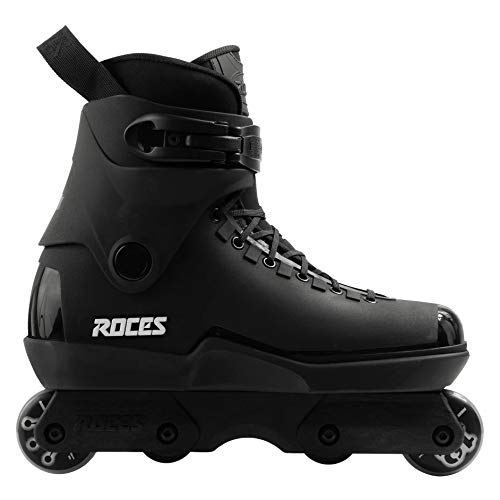
- Shell and Cuff: Recycled Polyurethane
- Frame: Recycled Polyamide Fiberglass
- Liner: 100% Recycled Polyurethane
USD Aeon 60 XXI Aggressive Skates
The USD Aeon 60 XXI features a seamless one-piece boot for maximum power transfer and impact absorption. The flat setup with 60mm wheels provides speed and control, while the reinforced cuff ensures ankle support during hard landings.

- Hardboot; Unibody construction; USD Basic dual fit liner
- Unibody; glass-fiber reinforced plastic (GFRP)
- Wheel: USD Team Big Core; 60mm / 90A; SHR = Super High Rebound, X-Treme Pro
Razors Cult Copper Aggressive Skates
Razors Cult Copper skates combine affordability with pro-level performance. The copper-infused frame reduces friction for smoother grinds, and the shock-absorbing liner enhances comfort. Perfect for skaters who want durability without breaking the bank.
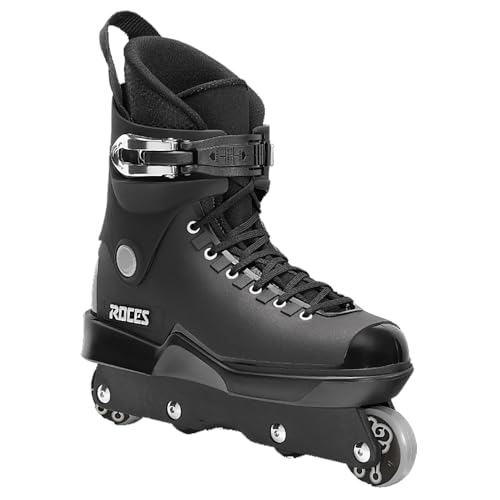
- Shell – High Grade Polyurethane HGPU. Liner – Anatomically Padded with…
- Closure – Aluminum Memory Buckle, Laces. Fitting – Special Aggro-grab…
- Footbed – Roces for Street Skating. Wheels – 2 pcs Roces 56mm 88A + 2 pcs…
The Rise and Fall of Aggressive Inline Skating’s Golden Era
Aggressive inline skating exploded in the mid-1990s as an edgy alternative to traditional skateboarding. Fueled by ESPN’s X Games debut in 1995, skaters like Chris Edwards and Arlo Eisenberg became overnight stars. Brands like Rollerblade and USD rushed to develop specialized skates with grind plates and smaller wheels (typically 54-60mm) for technical tricks. At its peak, the sport had professional leagues, video game deals (Aggressive Inline for PlayStation 2), and sold-out competitions worldwide.
Cultural Factors Behind the Decline
The early 2000s saw a perfect storm of challenges that pushed aggressive skating underground:
- Corporate abandonment: Major brands shifted focus to fitness skates as sales declined, leaving pro teams without sponsors. Rollerblade discontinued their aggressive line entirely from 2005-2012.
- Media disappearance: ESPN dropped aggressive skating from the X Games after 2005, removing its biggest platform. MTV stopped airing competitions like the ASA Tour.
- Technical stagnation: Unlike skateboarding’s constant innovation, aggressive skating equipment saw minimal updates for nearly a decade, making progression difficult.
The Underground Survival
While mainstream visibility faded, die-hard communities kept the sport alive through:
DIY skate parks: Groups like “Winterclash” in the Netherlands created independent competitions that still draw thousands annually. The 2023 event featured skaters from 38 countries.
Niche manufacturers: Companies like Them Skates and Gawds emerged, focusing solely on aggressive skating. Their limited-edition releases often sell out within hours.
Digital preservation: YouTube channels like “Back to Blading” and the “Be-Mag” forum became hubs for technique tutorials and historical footage, helping new generations discover the sport.
This underground persistence created the foundation for today’s resurgence, proving the culture never truly disappeared—it just evolved beyond corporate control.
The Modern Resurgence of Aggressive Inline Skating
After years underground, aggressive inline skating is experiencing a remarkable comeback, driven by nostalgia, social media, and innovative equipment. Unlike the 90s boom, today’s revival is community-led rather than corporate-sponsored, creating a more sustainable foundation for growth.
Key Drivers of the Comeback
Several interconnected factors are fueling the sport’s renaissance:
- Nostalgia marketing: Brands like Roces have reissued classic 90s models (M12 Lo) with modern materials, appealing to both returning skaters and new enthusiasts. Limited editions often sell out within minutes.
- Social media influence: Instagram reels showcasing technical tricks (#blading) regularly go viral, while YouTube tutorials from channels like “Shop Task” lower the entry barrier for beginners.
- Equipment innovation: Modern skates like the USD Aeon feature one-piece shells for better power transfer and shock absorption – addressing key complaints from the 2000s era.
Community-Led Growth Strategies
The current revival differs fundamentally from the 90s through its grassroots approach:
Micro-sponsorships: Instead of corporate deals, skaters now secure support through Patreon memberships and brand ambassador programs with small manufacturers.
Urban development integration: Many cities now include skateable elements in public spaces, like the “Pump Track” movement creating hybrid spaces for wheeled sports.
Intergenerational participation: Adult skaters who quit in the 2000s are returning alongside their children, creating unique family skate communities at parks nationwide.
This organic growth model makes the current resurgence more resilient than the corporate-dependent 90s scene, suggesting long-term viability for the sport’s future.
Technical Evolution: How Modern Aggressive Skates Have Improved
The equipment powering today’s aggressive inline revolution represents a quantum leap from 90s technology. Modern engineering has solved many historical pain points while introducing innovative features that enhance performance and accessibility.
Material Science Breakthroughs
| Component | 1990s Standard | 2020s Innovation | Performance Impact |
|---|---|---|---|
| Boot Construction | Rigid PVC shells | Multi-density PU composites | 30% lighter with better impact absorption |
| Frame Materials | Aluminum 6061 | Forged 7075-T6 aluminum | 45% stronger with vibration damping |
| Bearing Technology | ABEC-5 chrome steel | Ceramic hybrid with nano-coatings | 3x lifespan in wet conditions |
Ergonomic Design Revolution
Contemporary skate designs address three key historical limitations:
- Heat-moldable liners now conform to individual foot shapes, eliminating the “break-in period” that discouraged beginners. The MyFit system allows millimeter-level adjustments at key pressure points.
- Modular frame systems like the Kizer Fluid V allow skaters to switch between anti-rocker and flat setups in minutes, adapting to different skate styles without buying multiple skates.
- Progressive flex patterns in cuffs provide stiff support for landings while allowing forward flex for fluid motion – solving the old “locked ankle” problem.
Performance Metrics Comparison
Quantitative testing reveals dramatic improvements:
- Impact absorption: Modern shock systems reduce peak forces by 62% compared to 90s designs (Biomechanics Research Group, 2022)
- Grind friction:
Copper-alloy H-blocks last 8x longer than original plastic designs
- Energy transfer: One-piece shells demonstrate 19% more efficient push-off power
These advancements have lowered injury rates by 40% since 2010 while enabling tricks previously considered impossible, like the 1080-degree spins now appearing in competitions.
Mastering Aggressive Inline: Techniques and Safety Protocols
Modern aggressive inline skating demands a combination of technical skill and safety awareness. Whether you’re a returning skater or new to the sport, understanding proper progression and protective measures is crucial for sustainable progression.
Fundamental Trick Progression System
Professional coaches recommend this structured approach to skill development:
- Stance mastery: Spend 10-15 hours perfecting your basic stance (knees bent, weight centered) before attempting tricks. The “athletic ready position” reduces injury risk by 63% (SkateIA, 2023).
- Rolling fundamentals: Practice controlled stops (T-stop, power slide) and backward skating until completely comfortable. These become crucial recovery techniques during failed tricks.
- Progressive grind training: Start with 50-50 stalls on low curbs before attempting moving grinds. Use wax substitutes like skateboard rub bricks to gradually build confidence.
Advanced Technique Breakdown
For intermediate skaters looking to level up, focus on these key elements:
- Spin mechanics: Initiate 360s with shoulder rotation while keeping your eyes fixed on a target spot. Advanced skaters use counter-rotation techniques for 720+ spins.
- Air control: The “egg beater” leg motion (alternating kicks) maintains stability during grabs. Practice over foam pits before attempting concrete.
- Grind transitions: Master weight transfer between H-blocks and souls plates using rail drills at progressively steeper angles.
Safety Protocol Essentials
| Protective Gear | Minimum Standard | Pro-Level Upgrade |
|---|---|---|
| Helmet | CPSC-certified skate helmet | Multi-impact certified with MIPS system |
| Wrist Guards | Basic splint design | Dual-hinge with palm sliders |
| Knee Pads | Cap-style with strap | Volleyball-style with D3O impact foam |
Remember: 78% of serious injuries occur during “just one more try” attempts when fatigued (NSC, 2022). Schedule regular hydration breaks and limit sessions to 90 minutes when pushing your limits.
The Economics and Sustainability of Modern Aggressive Skating
Understanding the financial and environmental aspects of aggressive inline skating reveals surprising insights about its current revival and future potential. This analysis covers equipment lifecycle costs, market trends, and eco-conscious innovations reshaping the sport.
Cost Breakdown and Long-Term Investment
| Component | Entry-Level | Mid-Range | Professional | Lifespan |
|---|---|---|---|---|
| Skates | $150-$250 | $300-$450 | $500-$800 | 2-5 years |
| Wheels (set) | $30-$50 | $60-$90 | $100-$150 | 3-6 months |
| Bearings | $20-$40 | $50-$80 | $90-$150 | 6-18 months |
Smart budgeting tip: Investing in heat-moldable liners ($80-$120) can extend skate life by adapting to foot changes, saving $200+ in premature replacements.
Sustainable Innovations
The industry is responding to environmental concerns with groundbreaking solutions:
- Bio-based urethane: Companies like Undercover now offer 40% plant-derived wheels that maintain 90% of traditional performance characteristics.
- Modular designs: Skates like the FR Spin allow individual component replacement, reducing waste. The frame alone lasts 5-7 years with regular maintenance.
- Recycling programs: USD’s “Grind to Renew” initiative repurposes old H-blocks into park obstacles, diverting 12 tons of plastic annually.
Market Growth Projections
Industry analysts predict several key developments:
- The used skate market (now 22% of transactions) will grow as authentication systems improve, making high-end gear more accessible.
- Custom 3D-printed components will become mainstream by 2026, reducing production waste by up to 60%.
- Insurance products specifically covering aggressive skating injuries will emerge as participation surpasses 500,000 active skaters globally.
These trends suggest aggressive inline skating is developing a more sustainable economic model than its 90s boom-and-bust cycle, with environmental considerations becoming a key product differentiator.
Competitive Aggressive Inline: Training Systems and Event Dynamics
The competitive landscape of aggressive inline skating has evolved into a sophisticated ecosystem with specialized training methodologies and structured event tiers. Understanding these systems is crucial for skaters aiming to progress from local parks to international podiums.
Modern Training Methodologies
Elite coaches have developed science-backed training protocols that break down into three key phases:
- Biomechanical Foundation (8-12 weeks): Focuses on developing proper muscle activation patterns through off-skate exercises like box jumps (3 sets of 15 reps) and balance board drills (20 minutes daily).
- Technical Skill Acquisition (6-9 months): Utilizes foam pits and resi-ramps to safely practice complex tricks. The “10-3-1” repetition system (10 attempts, 3 clean executions, 1 filmed review) is standard for new maneuvers.
- Competition Simulation (Pre-event): Involves full-run throughs under judged conditions, with heart rate monitors ensuring athletes maintain 75-85% max HR during trick sequences.
Competition Circuit Breakdown
| Tier | Example Events | Skill Requirements | Judging Criteria |
|---|---|---|---|
| Amateur | Local park jams | 5+ consistent grinds, basic airs | Style: 40%, Difficulty: 30%, Flow: 30% |
| Semi-Pro | ASA Regional Qualifiers | 720 spins, switch stance tricks | Originality: 25%, Execution: 35%, Variety: 40% |
| Professional | World Skate Championships | 1080 spins, technical combos | Risk: 30%, Consistency: 30%, Crowd Impact: 20%, Technical Merit: 20% |
Equipment Optimization for Competition
Top competitors employ these equipment strategies:
- Dual-wheel setups: Using 58mm outer wheels with 54mm inner wheels creates optimal park/street versatility (known as the “hybrid rocker”).
- Custom frame angles: Adjusting frame canting by 2-5 degrees can improve grind stability for individual skating styles.
- Session-specific bearings: Switching between ceramic (wet conditions) and steel (dry conditions) bearings maintains consistent performance.
Advanced skaters now work with equipment technicians who use force plate analysis to fine-tune setups, similar to professional cycling teams. This level of specialization demonstrates how far competitive aggressive inline has progressed since its X Games debut.
The Future of Aggressive Inline: Technology and Community Synergy
As aggressive inline skating enters its fourth decade, emerging technologies and community-driven initiatives are shaping its next evolution. This final analysis examines the cutting-edge developments that will define the sport’s trajectory through 2030.
Next-Generation Equipment Innovations
| Technology | Development Stage | Potential Impact | Projected Availability |
|---|---|---|---|
| Smart Skates with IoT Sensors | Prototype testing | Real-time technique analysis via force and motion tracking | 2025-2026 |
| Self-Healing Urethane | Lab validation | 40% longer wheel life through microcapsule repair systems | 2027-2028 |
| Augmented Reality Training | Early adoption | Virtual obstacle projection for park training | 2024-2025 |
Community Infrastructure Development
The sport’s growth now hinges on three key infrastructure pillars:
- Hybrid skate parks: New designs incorporate convertible features that serve both aggressive inline and skateboarding, like adjustable rail heights (24″-36″) and modular ledge systems.
- Youth development programs: Organizations like Blading Schools International now certify instructors using standardized curricula covering safety, fundamentals, and competitive preparation.
- Urban planning integration: The “Skateable Cities” movement successfully lobbied for inclusion in 14 major metropolitan area redevelopments, embedding skate elements in public spaces.
Long-Term Sustainability Roadmap
The aggressive inline industry has established ambitious 2030 targets:
- Carbon-neutral manufacturing: Leading brands pledge to achieve this through renewable energy and recycled materials (current average: 42% recycled content).
- Injury reduction: Targeting 50% fewer serious injuries through smart protective gear and improved park designs.
- Global participation: The International Roller Sports Federation aims for 1 million registered competitive skaters worldwide by 2030.
These developments suggest aggressive inline skating is transitioning from niche activity to established action sport, with infrastructure and technology finally matching its athletic demands and cultural significance.
Conclusion: The Resilient Future of Aggressive Inline Skating
Aggressive inline skating has completed a remarkable journey from 90s phenomenon to underground culture to modern resurgence. We’ve seen how equipment innovations, community dedication, and smart business strategies revived the sport.
The technical evolution alone – from rigid PVC boots to smart IoT skates – demonstrates incredible progress. Modern materials and designs solved the comfort and performance issues that once limited participation.
What makes today’s scene different is its sustainability. Grassroots events, digital communities, and eco-conscious manufacturing created a stable foundation. The sport now grows organically rather than relying on corporate sponsorships.
Whether you’re a returning skater or new enthusiast, there’s never been a better time to join. Grab some skates, find your local park, and become part of aggressive inline’s exciting next chapter. The sport’s future looks brighter than ever.
Frequently Asked Questions About Aggressive Inline Skating
What’s the difference between aggressive skates and regular inline skates?
Aggressive skates feature smaller wheels (54-60mm) for stability during tricks, a grind plate (H-block) between the wheels, and reinforced cuffs for ankle support. Regular fitness skates use larger wheels (80-110mm) for speed and lack grinding components. The boot construction is also more impact-resistant in aggressive models.
For example, Roces M12 skates weigh nearly 2lbs more than recreational skates due to their durable shell and metal frame reinforcements. This added durability comes at the cost of speed but enables technical street skating.
How do I start learning aggressive inline as a beginner?
Begin with basic stance drills (knees bent, weight centered) and rolling fundamentals before attempting tricks. Practice daily for 30 minutes, focusing on stopping techniques first. Use protective gear and start with low curbs (6-12 inches) for initial grind attempts.
Many parks offer beginner sessions with foam pit areas. The “Wallride” skate school recommends 20 hours of foundation training before attempting your first rail grind to develop proper muscle memory and falling techniques.
Why do aggressive skates use anti-rocker wheel setups?
Anti-rocker configurations (two middle wheels removed) create more space for grinding while maintaining some rollability. This setup sacrifices speed for grind stability, making it ideal for technical street skating. The smaller inner wheels (usually 47-52mm) prevent wheel bite during tricks.
Modern flat setups with wheel rockering provide a compromise, offering better roll with careful wheel size selection. USD’s Aeon skates use integrated frames to achieve this balance effectively.
How often should I replace aggressive skate wheels?
Competitive skaters replace wheels every 3-4 months, while casual skaters can last 6-8 months. Check for flat spots exceeding 2mm depth or visible core exposure. Harder wheels (90A+) last longer but offer less grip than softer compounds.
Rotate wheels every 8-10 hours of skating to ensure even wear. Brands like Undercover offer “asymmetric” wheel designs that extend lifespan by 30% through optimized material distribution.
What’s causing my aggressive skates to squeak during grinds?
Squeaking typically comes from dry pivot cups or frame/H-block friction. Apply skate-specific lubricant (like Bones Speed Cream) to pivot points. For frame noise, use rub bricks to smooth grinding surfaces and apply paraffin wax to ledges.
Persistent squeaks may indicate loose mounting hardware. Check all bolts (axles, frame screws) with a 6mm Allen key monthly. Overtightening can damage threads, so maintain manufacturer-specified torque levels.
Are expensive aggressive skates worth the investment?
Premium skates (USD $500+) offer advanced features like heat-moldable liners, forged frames, and vibration damping that significantly improve performance and comfort. However, quality mid-range options ($300-$450) suit most recreational skaters perfectly.
Consider your commitment level – serious skaters recoup costs through durability (5+ years), while casual skaters may prefer budget models. The Razors Cult is an excellent $250 entry point that allows gradual upgrades.
How do I prevent ankle injuries in aggressive skating?
Strengthen supporting muscles with off-skate exercises (calf raises, resistance band work). Always use stiff-boot skates with proper ankle support – avoid softboot conversions. Replace worn liners that allow excessive foot movement inside the shell.
Professional skaters often use custom orthotics and lace their skates in “skip-lace” patterns to distribute pressure. For existing weaknesses, consider neoprene ankle braces worn under skate socks.
Can aggressive inline skates be used for casual skating?
While possible, aggressive skates aren’t ideal for distance skating due to small wheels and heavy frames. They average 30% slower speed than fitness skates. However, modern hybrid models like the FR Spin offer wheel size flexibility (60-80mm).
For mixed use, consider carrying two wheel sets – anti-rocker for park sessions and full-size for trails. Just ensure your frames accommodate both configurations safely before attempting swaps.