Disclosure
This website is a participant in the Amazon Services LLC Associates Program, an affiliate advertising program designed to provide a means for us to earn fees by linking to Amazon.com and affiliated sites.
If your roller skate wheels feel too hard, you’re missing out on a smooth, comfortable ride. The softness, or durometer, of your wheels is a key factor for both comfort and performance.
Many skaters choose wheels that are too hard for their surface, like using indoor wheels on rough asphalt. This common mistake makes every bump and crack feel jarring and unforgiving.
Are Your Kids’ Skate Wheels Too Hard and Bumpy for a Smooth, Fun Ride?
Hard wheels make every sidewalk crack and pebble feel like a major bump, shaking confidence and turning a fun skate into a wobbly, uncomfortable chore. The Ecoo Light-Up Wheels solve this with their softer urethane formula that absorbs shock, giving kids a smoother, more stable glide so they can focus on the fun, not the bumps.
My kids finally skate without complaining about every bump thanks to the: Ecoo Light-Up Wheels Adjustable Inline Skates for Kids
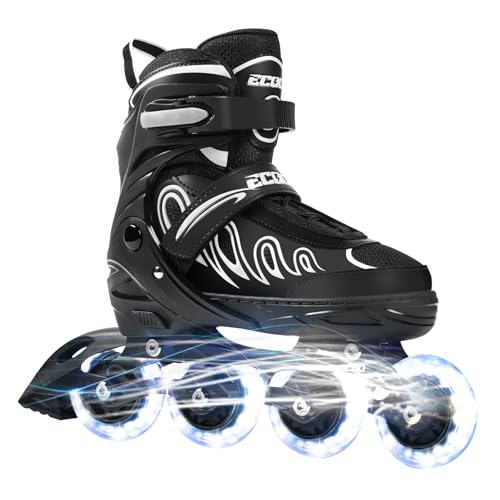
- FOUR SIZES ADJUSTABLE - These Inline skates come in four adjustable sizes,...
- HIGH PERFORMANCE - Our Inline Skates are equipped with top-quality ABEC-7...
- SAFETY DESIGN - The skates are designed with triple protection, including...
Why Hard Roller Skate Wheels Can Ruin Your Skating Experience
In my experience, wheels that aren’t soft enough don’t just feel bad. They can make skating feel scary and frustrating. This stops you from having fun and building confidence on your skates.
The Real Risk of Falls and Injuries
Hard wheels have very little grip, especially on outdoor surfaces. I’ve seen skaters, including my own kids, take nasty spills because their wheels just slid out from under them on a tiny pebble. That loss of control from a lack of cushioning is a major cause of avoidable falls.
Comfort and Control Go Hand-in-Hand
Think about driving a car with no shock absorbers. That’s what skating on hard wheels feels like. Every crack in the sidewalk sends a jarring vibration right up your legs. Your feet and knees ache quickly, so you want to stop skating long before you’re ready to be done.
This discomfort directly hurts your control. When you’re bracing for the next bump, you can’t relax and focus on your stride. You become a tense, unstable skater instead of a smooth, flowing one.
Wasting Money on the Wrong Setup
Many of us buy our first skates based on looks or a good deal. I’ve done it! We don’t realize the wheels are meant for a slick indoor rink. Then we try to skate on our neighborhood pavement and it’s a terrible, shaky experience.
You might think you’re a bad skater, when really you just have the wrong equipment. This leads to skates gathering dust in the closet, which is such a waste. The right wheel softness makes all the difference between loving and quitting.
For outdoor skating, you generally want a softer wheel for better shock absorption. Here’s a quick look at common wheel hardness levels:
- 78A-85A: Very soft. Perfect for rough outdoor trails and sidewalks.
- 86A-95A: A medium hybrid. Good for smooth outdoor surfaces or indoor rinks.
- 96A and up: Hard wheels. Best for indoor sports like roller derby or artistic skating.
How to Choose Softer Wheels for a Better Ride
Picking the right soft wheels isn’t as hard as it seems. You just need to know what to look for on the label and how it matches your skating style.
Wheel Durometer and Size
The durometer number tells you how hard or soft a wheel is. A lower number means a softer wheel. For example, a 78A wheel is much softer than a 101A wheel.
Wheel size matters too. A bigger, softer wheel rolls over bumps more easily. I like a bigger wheel for cruising around my neighborhood park.
Matching Wheel Softness to Your Surface
This is the most important step. The wrong wheel for your surface will always feel bad. Here’s a simple guide I follow:
- Rough asphalt or concrete: Use very soft wheels (78A-85A).
- Smooth bike paths or tennis courts: Medium-soft wheels (86A-90A) work great.
- Indoor rinks only: You can use harder wheels (91A and up).
If you’re tired of feeling every single bump and worrying about another shaky, painful skate session, the fix is simple. I finally solved this for my own setup by getting a set of proper outdoor wheels, and the difference was night and day.
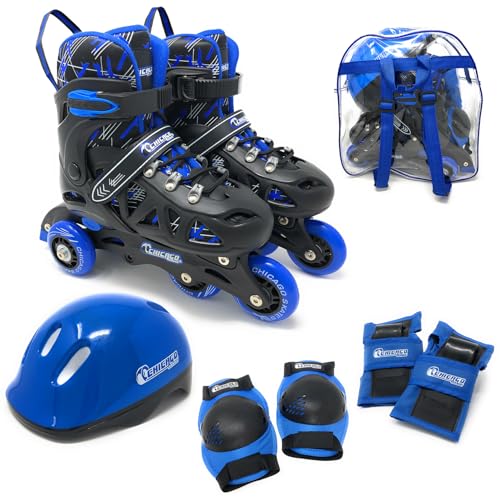
- PROTECTIVE GEAR SET IN FUN COLORS: This complete roller skate set for kids...
- DURABLE & SAFE PERFORMANCE: Designed for smooth indoor and outdoor rides,...
- ADJUSTABLE FIT FOR GROWING FEET: No need to buy new skates every season!...
What I Look for When Buying Softer Skate Wheels
Honestly, you don’t need to be an expert. You just need to check a few key things before you buy.
The “A” Rating is Your Best Friend
Always look for the letter “A” after the durometer number, like 78A. This is the scale for softer, grippier urethane wheels. Wheels with a “B” or “D” rating are much harder and for different sports.
Don’t Forget the Wheel Width
A wider wheel gives you more stability, which is a huge help outdoors. Think of it like the tires on a car. A skinny, hard wheel will feel tippy on rough ground, while a wider one feels planted and secure.
Consider Your Bearing Compatibility
Most wheels use standard 608 bearings, which is good. Just make sure the wheels you choose have a space for two bearings and a spacer in the middle. This is standard for quad skates and keeps everything rolling smoothly.
Read Reviews for Real Surface Feedback
I always skim reviews to see what surfaces people actually used the wheels on. Someone saying “great for the boardwalk” tells me more than any product description. This real-world feedback is the best way to confirm your choice.
The Mistake I See People Make With Wheel Softness
The biggest mistake is buying wheels based only on your skate style, not your skating surface. You might buy “outdoor skates,” but they often come with wheels that are still too hard for real-world pavement.
I did this myself. I got skates labeled for outdoor use, but the wheels were a 90A hybrid. They were okay on perfect concrete, but terrible on my cracked neighborhood sidewalks. I thought I just had to tough it out.
What to do instead? Ignore the skate label and look directly at the wheel’s durometer number. If you’re skating outside on anything less than perfect ground, you likely need wheels in the 78A to 85A range. This is the single most important number for comfort.
If you’re afraid of wasting more money on wheels that still feel too hard and ruin your skating joy, the solution is straightforward. I found the exact wheels that fixed this for me and finally got the smooth ride I wanted.

- One of the top features found in the Cele III is the injected comp weave...
- Another solid technology offered is the molded comfort EVA footbed. This...
- On the bottom of the skate, Alkali used a Hi-Lo aluminum 6000 CNC frame...
How a Simple Wheel Swap Can Transform Your Skates
You don’t need to buy a whole new pair of skates to get a softer ride. In most cases, you can just swap the wheels. This is the easiest and most cost-effective upgrade you can make.
I was amazed at how different my old skates felt with new, soft outdoor wheels. It was like getting a brand new pair. The vibration disappeared, and I could skate for twice as long without my feet hurting.
Changing wheels is simple. You just need a skate tool to loosen the axle nut. Pop the old wheel off, put the new one on, and tighten it back up. It takes about 10 minutes for a full set. This one change addresses the core problem of hard wheels directly.
Think of it as customizing your skates for your favorite path or park. Once you match the wheel softness to your surface, skating becomes fun and easy, not a chore. It’s the best “aha” moment for any skater feeling held back.
My Top Picks for Getting the Right Wheel Softness
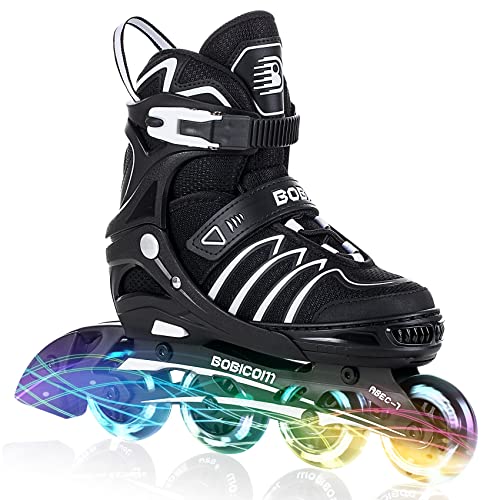
2PM SPORTS Vinal Girls Adjustable Flashing Inline Skates — A Great Starter Skate with Forgiving Wheels
I recommend the 2PM SPORTS Vinal skates for kids who are just starting out. The wheels are a good medium-softness that works well on driveways and smooth sidewalks, offering a stable feel. They are not for rough trails, but perfect for building confidence in new skaters.

- 4 Sizes Adjustable Inline Skates: Kids can ride on these skates for a long...
- 8 Wheels Illuminating Inline Skates: Gain confidence in our stylish design...
- High-end Features Roller: Enjoy a smooth, quiet and confident ride on the...
Alkali Revel 4 Senior Adult Inline Roller Hockey Skates — For Serious Skaters Who Need Responsive Wheels
The Alkali Revel 4 skates are my pick for adults focused on sport skating, like hockey or aggressive inline. They come with harder wheels designed for grip on smooth indoor surfaces. This means they are not soft for outdoor cruising, but provide excellent control for fast, technical moves on sport courts.

- The Revel 4 Skates are ideal for the more intermediate to expert player...
- Features a HiLo 76-76-80-80 wheel set-up which increases agility without...
- Equipped with Alkali PAX 74A indoor wheels ideal for sport court, wood, and...
Conclusion
The most important thing is to match your wheel’s softness directly to the surface you skate on most.
Go look at the numbers on your wheels right now—it takes two minutes, and knowing that number is the first step to a smoother, more comfortable ride.
Frequently Asked Questions about What Makes Roller Skate Wheels Not Offer Enough Softness?
What is the best wheel setup for someone who skates on rough sidewalks and wants to avoid falls?
You need a very soft, wide wheel to absorb those bumps. This is a smart concern, as hard wheels will slip on rough surfaces. A wheel around 78A-82A with a wide profile gives you maximum grip and stability.
Pair these with a larger wheel diameter, like 62mm, to roll over cracks more easily. This combination dramatically increases your control and comfort on challenging pavement, making skating feel safe and fun again.
- 【ADJUSTABLE INLINE SKATES】Our inline skates are available in 4...
- 【8 WHEELS ILLUMINATING】Our children's inline skates have 8 illuminated...
- 【COMFORTABLE & STURDY MATERIAL】The frame of our inline skate is made of...
Can I just make my hard wheels softer by doing something to them?
No, you cannot change the hardness of a urethane wheel. The durometer is a permanent property of the material. Trying to soften them will only damage the wheel and make it unsafe.
The only real solution is to replace them with wheels that have the correct softness rating from the start. Swapping wheels is a simple, one-time fix that solves the problem completely.
How do I know if my wheels are too hard for outdoor skating?
Your body will tell you. If you feel every tiny crack and your feet vibrate or ache quickly, the wheels are too hard. Another sign is a lack of grip, making you feel unstable or causing slides on small debris.
Check the number on your wheel. If it’s 90A or higher, it’s likely meant for indoor surfaces. For general outdoor skating, you’ll want to see a number in the 78A to 85A range for a noticeable improvement.
Which complete skate won’t let me down for a beginner learning outdoors?
You want a skate that comes with appropriately soft wheels already installed. It’s frustrating to buy a skate labeled “outdoor” only to find the wheels are still too hard. A good beginner skate prioritizes stability and comfort from day one.
For a young beginner, I had great success with a pair of adjustable inline skates that have forgiving, medium-soft wheels. They provide a confident feel on driveways and smooth paths, which is perfect for building skills.
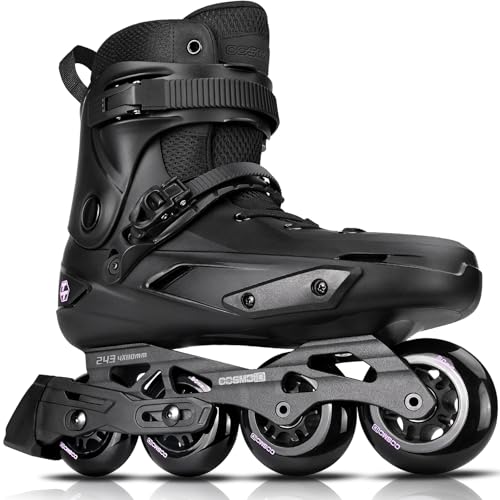
- 【UNMATCHED DURABILITY】 Our inline skates feature a robust all-in-one...
- 【Excellent Comfort】The roller blades lining is made of thermoformed...
- 【HIGH-PRECISION PERFORMANCE】 Equipped with ABEC9 precision bearings,...
Do softer wheels make me slower?
Softer wheels have more grip, which can feel slightly slower on ultra-smooth surfaces like a rink. However, on rough outdoor terrain, they are actually faster. Hard wheels waste energy vibrating and bouncing, while soft wheels maintain momentum by rolling smoothly.
For outdoor fitness or distance skating, the comfort and efficiency of soft wheels will help you skate longer and farther. The speed you gain from better energy transfer outweighs any minor grip difference.
What wheel hardness is best for indoor roller rinks?
For a standard wooden or concrete rink floor, a harder wheel is ideal. Wheels in the 88A to 101A range provide the slick, fast glide that indoor skating is known for. They offer less grip, which allows for slides and spins.
Using soft outdoor wheels on a rink will feel sluggish and sticky. If you skate both indoors and out, having two separate sets of wheels is the best way to optimize your experience for each surface.