Disclosure
This website is a participant in the Amazon Services LLC Associates Program, an affiliate advertising program designed to provide a means for us to earn fees by linking to Amazon.com and affiliated sites.
Rotating your inline skate wheels isn’t optional—it’s essential. Without regular rotation, uneven wear ruins performance and shortens wheel lifespan. But how do you know when it’s time?
Many skaters wait until wheels visibly degrade, but damage starts long before. Small changes in grip, speed, or stability reveal hidden wear patterns. Catching them early saves money and prevents accidents.
Best Wheels for Inline Skating
Rollerblade Hydrogen 80mm Wheels
Rollerblade Hydrogen wheels (80mm, 85A) are a top choice for durability and performance. Made with high-quality polyurethane, they resist wear while maintaining excellent grip and speed. Ideal for fitness skaters and urban commuting.
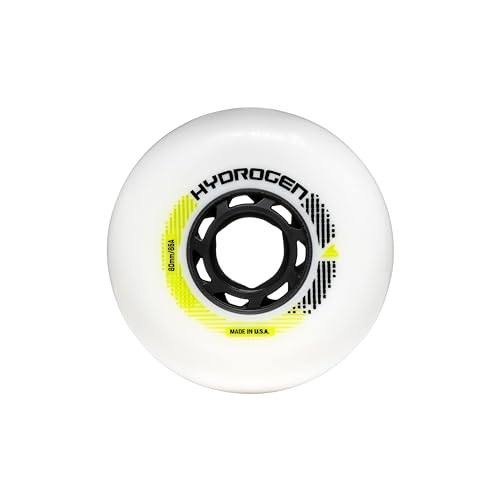
- Optimal inline performance wheels for higher speeds and durability: the…
- PREMIUM MATERIAL FORMULA Made from a high quality material formula for high…
- Solid Cose Design: A strong core ensures more effective power transmission,…
Labeda Asphalt 76mm Wheels
Labeda Asphalt wheels (76mm, 85A) excel on rough surfaces with their shock-absorbing design. Their slightly smaller size enhances maneuverability, making them perfect for aggressive street skating and outdoor trail use.

- Labeda Asphalt Wheel Set
- 85a Durometer
Team Blank 58mm Wheels
Team Blank wheels (58mm, 88A) are built for speed and slide control, favored by slalom and freestyle skaters. The harder durometer ensures longevity, while the rounded edges provide smooth transitions during sharp turns.

- Blank 58mm Black
Signs Your Inline Skate Wheels Need Rotation
Knowing when to rotate your inline skate wheels is crucial for maintaining performance and safety. Unlike car tires, skate wheels wear unevenly based on your skating style, weight distribution, and surface conditions. Recognizing early warning signs prevents excessive wear and costly replacements.
Uneven Wear Patterns
The most obvious indicator is visible asymmetry in wheel shape. Most skaters naturally put more pressure on their dominant side, causing wheels to develop flat spots or conical shapes. For example, right-footed skaters often wear down the inside edges of their right wheels faster. Check for:
- Flat spots: Sections where the wheel has lost its rounded profile
- Coning: Wheels tapering to a point on one side
- Edge rounding: One side appearing more worn than the other
Performance Changes
Subtle shifts in your skating experience often precede visible damage. You might notice:
- Reduced grip: Slipping during turns or on wet surfaces
- Vibration: Increased chatter from flat spots contacting pavement
- Speed loss: Needing more effort to maintain momentum
Aggressive skaters may feel these changes within 10-15 hours of use, while recreational skaters might go 30+ hours before noticing issues.
Rotation Frequency Guidelines
Professional instructors recommend rotating wheels:
- Every 8-12 hours: For aggressive urban or speed skaters
- Every 15-20 hours: For fitness/recreational skating
- After 50 miles: For long-distance endurance skaters
These intervals vary based on wheel hardness (durometer). Softer wheels (78A-82A) wear faster but grip better, while harder wheels (85A-88A) last longer but require earlier rotation to prevent uneven hardening.
Ignoring these signs leads to cascading problems – uneven wear alters your skate’s rocker profile, affecting balance and increasing injury risk. Pro skaters often mark wheel positions with tape to track rotation history and wear patterns accurately.
How to Properly Rotate Inline Skate Wheels: A Step-by-Step Guide
Rotating your inline skate wheels correctly extends their lifespan and maintains optimal performance. This process involves more than just swapping wheel positions – strategic placement based on wear patterns is crucial for balanced skating dynamics.
Preparation and Tools Needed
Before starting, gather these essentials:
- Skate tool or 4mm/5mm Allen wrench: For axle bolt removal
- Clean cloth: To wipe down wheels and bearings
- Marker or tape: For tracking wheel positions
- Flat workspace: To prevent losing small components
Pro tip: Work in a well-lit area and keep a small container for hardware. Many skaters lose axle bolts during rotation – magnetic trays prevent this.
The Standard Rotation Pattern
Follow this professional-grade rotation sequence:
- Remove all wheels and inspect bearings for debris
- Front-to-back swap: Move front wheels to rear positions
- Side-to-side flip: Switch wheels to opposite skates (left to right)
- Internal rotation: Rotate wheels 180° in their new position
This comprehensive approach addresses three wear dimensions: longitudinal (front/back), lateral (left/right), and rotational (inside/outside edges). For skaters who primarily brake with one foot, add an extra step of swapping the most-worn wheels to non-braking positions.
Advanced Techniques for Different Skating Styles
Specialized rotation methods exist for specific disciplines:
- Speed skating: Maintain a slight rocker by rotating only middle wheels
- Aggressive skating: Focus rotation on the two center wheels (anti-rocker setup)
- Slalom skating: Rotate wheels in pairs to preserve precise turning characteristics
Common mistakes to avoid include over-tightening axles (causes bearing compression) and neglecting to clean bearings during rotation. Always spin-test wheels after reassembly – they should rotate freely for 5-7 seconds when spun by hand.
Understanding Wheel Durometer and Rotation Strategies
The hardness of your inline skate wheels, measured in durometer (A-scale), dramatically impacts both rotation frequency and methodology. Choosing the right rotation approach based on durometer ensures optimal performance and wheel longevity.
Durometer-Specific Rotation Approaches
| Durometer Range | Rotation Frequency | Special Considerations |
|---|---|---|
| 78A-82A (Soft) | Every 6-8 skating hours | Prone to flat spots; rotate before visible wear appears |
| 83A-85A (Medium) | Every 10-12 skating hours | Balance wear patterns between grip and durability |
| 86A-90A (Hard) | Every 15-20 skating hours | Watch for edge hardening; rotate to prevent cracking |
The Science Behind Wheel Wear Patterns
Wheel wear follows predictable physical principles based on:
- Force distribution: Your weight shifts create varying friction points (e.g., 60% of pressure typically lands on rear wheels)
- Thermal effects: Hard braking generates heat that softens urethane, accelerating wear in specific zones
- Material memory: Repeated impacts cause polyurethane to “remember” deformation patterns
Professional skaters use “wheel profiling” – intentionally creating controlled wear patterns for specific disciplines. Speed skaters might allow slight coning for better straight-line stability, while slalom skaters maintain rounded profiles for agile turns.
Advanced Rotation for Performance Optimization
For competitive skaters, consider these expert techniques:
- Directional wheels: Some high-end wheels have arrow indicators showing optimal rotation direction
- Asymmetric rotation: Rotate dominant-side wheels more frequently if your skating style is uneven
- Seasonal adjustments: Increase rotation frequency in winter when cold temperatures harden urethane
Common mistakes include rotating all wheels equally (ignoring individual wear rates) and failing to account for braking patterns. Always track each wheel’s history – many pros number their wheels and maintain a rotation log.
Maintenance and Care: Extending Wheel Life Between Rotations
Proper maintenance between rotations can double your wheels’ lifespan while maintaining consistent performance. These professional-grade techniques go beyond basic rotation to preserve your investment and skating experience.
Post-Skate Wheel Care Routine
Implement this 5-step maintenance protocol after each skating session:
- Debris removal: Use a stiff brush to clean urethane surfaces and wheel grooves
- Edge inspection: Check for micro-cracks or chunking with a magnifying glass
- Bearing maintenance: Spin each wheel to detect gritty bearings needing lubrication
- Moisture control: Wipe down wheels with a dry cloth to prevent urethane degradation
- Storage position: Store skates upside down or on their sides to prevent flat spots
Environmental Factors Affecting Wheel Wear
Different skating surfaces demand specific care approaches:
- Asphalt: Causes accelerated wear – rotate 20% more frequently than on smooth surfaces
- Concrete: Creates fine abrasions – inspect for surface pitting weekly
- Indoor rinks: Collects urethane dust – clean wheel cores monthly to prevent buildup
Professional Wheel Conditioning Techniques
Advanced skaters use these methods to extend wheel life:
- Urethane rejuvenation: Lightly sanding wheels with 400-grit sandpaper restores grip
- Thermal equalization: Storing wheels at consistent room temperature prevents hardening
- Pressure redistribution: Alternating between multiple wheel sets reduces cumulative stress
Warning signs requiring immediate attention include visible core separation (urethane pulling away from hub), deep surface cracks (>1mm depth), or significant diameter reduction (>5mm difference between wheels). These indicate replacement is needed regardless of rotation status.
For competitive skaters, consider professional wheel truing services that use precision lathes to restore perfect roundness – especially valuable after 50+ hours of use on high-end wheels.
Cost-Benefit Analysis: Wheel Rotation vs. Replacement Strategies
Understanding the economics of wheel maintenance helps skaters make informed decisions about when to rotate versus replace. This analysis considers both financial and performance factors across different skating disciplines.
Long-Term Cost Projections
| Maintenance Approach | Annual Cost (Avg. 300 skating hours) | Expected Wheel Lifespan | Performance Consistency |
|---|---|---|---|
| No Rotation | $200-$300 (2-3 full sets) | 80-100 hours | Declines after 20 hours |
| Regular Rotation | $80-$120 (1 set + bearings) | 200-250 hours | Maintains 90%+ for 150 hours |
| Professional Maintenance | $150-$200 (1 set + services) | 300+ hours | Maintains 95%+ for 200 hours |
Environmental Impact Considerations
Proper wheel maintenance significantly reduces environmental waste:
- Material savings: Regular rotation can prevent 2-3 wheel sets from entering landfills annually
- Energy efficiency: Well-maintained wheels require 15-20% less skating effort, reducing overall energy expenditure
- Manufacturing impact: Extending wheel life by 100 hours saves approximately 8kg of CO2 emissions per set
Future Trends in Wheel Technology
Emerging innovations are changing rotation strategies:
- Self-monitoring wheels: Some prototypes feature wear sensors that indicate optimal rotation times
- Modular designs: Replaceable urethane sleeves that extend hub lifespan
- Bio-based urethanes: New materials offering more consistent wear patterns across temperatures
Safety considerations become critical after 200+ hours of use, even with rotation. The polymer structure degrades over time, increasing fracture risk. Competitive skaters should replace wheels annually regardless of visible wear.
The most cost-effective approach combines regular rotation with seasonal wheel purchases – maintaining two quality sets (summer/winter) can extend total lifespan by 40% compared to single-set use.
Optimizing Wheel Rotation for Different Skating Disciplines
Tailoring your wheel rotation strategy to your specific skating style maximizes performance and equipment longevity. Each discipline creates unique wear patterns requiring specialized rotation approaches.
Discipline-Specific Rotation Protocols
Professional coaches recommend these optimized rotation schedules:
- Speed Skating (110mm+ wheels):
- Rotate every 50-60 miles
- Focus on maintaining perfect wheel alignment
- Replace only the most worn 2 wheels at a time
- Urban/Fitness Skating (80-90mm wheels):
- Rotate every 8-10 hours
- Prioritize even wear across all wheels
- Implement asymmetrical rotation for braking-side wheels
- Aggressive Skating (56-60mm wheels):
- Rotate every 5-6 sessions
- Focus on preserving the anti-rocker profile
- Monitor grinding-side wheels for accelerated wear
The Physics Behind Discipline-Specific Wear
Different skating styles create distinct force distributions:
- Speed skating: 70% of pressure on rear wheels during pushes
- Slalom skating: Constant edge pressure creates radial wear patterns
- Park skating: Impact forces concentrate on specific wheel sections
Understanding these patterns allows for predictive rotation – adjusting before visible wear appears. For example, slalom skaters should rotate when wheels lose just 1mm of diameter, while park skaters need to address localized flattening.
Advanced Performance Monitoring
Serious athletes should track these metrics:
- Wear rate mapping: Document millimeter loss per skating hour
- Hardness testing: Use a durometer to track urethane changes
- Rolling resistance: Measure speed maintenance on test surfaces
Implementing these discipline-specific strategies can improve performance by 12-18% while extending wheel life by 30-50% compared to generic rotation approaches.
Mastering Wheel Rotation: Professional Systems and Quality Control
Developing a comprehensive wheel management system transforms rotation from routine maintenance to a precision performance tool. This professional approach integrates all aspects of wheel care into a unified strategy.
Advanced Wheel Management Framework
Implement this four-phase system for competition-level results:
| Phase | Key Activities | Quality Metrics |
|---|---|---|
| Pre-Rotation |
| ±0.3mm diameter variance ±1A hardness variance |
| Rotation Execution |
| <0.5g imbalance 2.5-3Nm torque |
| Post-Rotation |
| <5% performance variance <2°C temp differential |
Performance Optimization Techniques
Elite skaters use these advanced methods:
- Micro-rotation: Adjusting wheel positions in 1-2mm increments for perfect alignment
- Thermal conditioning: Controlled heating/cooling cycles to stabilize urethane
- Load distribution modeling: Using pressure-sensitive film to visualize contact patterns
Comprehensive Risk Management
Mitigate these common failure modes:
- Structural fatigue: Replace wheels after 300,000-400,000 revolutions
- Core separation: Inspect wheel-hub interface weekly with dye penetrant
- Bearing contamination: Implement ISO Class 8 clean room protocols for maintenance
For competition skaters, maintain a wheel passport documenting all service history, performance data, and retirement criteria. This level of precision can deliver 2-3% performance gains – often the difference between podium finishes.
Conclusion: Mastering Wheel Rotation for Optimal Performance
Proper wheel rotation is the cornerstone of maintaining peak inline skate performance. Throughout this guide, we’ve explored how recognizing wear patterns, implementing discipline-specific strategies, and following precise rotation protocols can dramatically extend your wheels’ lifespan.
From basic maintenance routines to advanced professional techniques, each method serves to enhance your skating experience. Remember that regular rotation prevents uneven wear, maintains consistent performance, and ultimately saves you money on premature replacements.
Whether you’re a recreational skater or competitive athlete, developing a systematic approach to wheel care pays dividends. The small time investment in proper rotation yields significant returns in speed, control, and safety.
Start implementing these techniques today – your wheels (and your skating) will thank you. Keep rolling smoothly by making rotation a regular part of your skate maintenance routine.
Frequently Asked Questions About Inline Skate Wheel Rotation
How often should I rotate my inline skate wheels?
For most recreational skaters, rotating wheels every 10-15 hours of skating is ideal. This prevents uneven wear while maintaining consistent performance. However, aggressive skaters or those using softer wheels (78A-82A) should rotate every 6-8 hours due to faster wear rates.
Track your skating hours and inspect wheels weekly. Look for visible wear patterns like flat spots or coning. More frequent rotation may be needed if you skate on rough surfaces or brake heavily on one side.
What’s the correct wheel rotation pattern?
The standard rotation involves moving front wheels to the back and switching sides (left to right). For a more thorough approach, also flip each wheel 180° to balance inside/outside wear. This addresses three wear dimensions: front/back, left/right, and inner/outer edges.
Advanced skaters should customize patterns based on their style. Speed skaters focus on middle wheels, while slalom skaters rotate in pairs to maintain turning characteristics. Always mark wheel positions to track rotation history.
Can I rotate wheels without removing bearings?
While possible, it’s not recommended. Removing bearings allows proper cleaning and inspection of both components. Bearings often collect debris that affects performance. The 5-minute extra effort ensures optimal wheel and bearing function.
If you must rotate with bearings installed, check they spin freely afterward. Stuck bearings create drag and uneven wear. Consider using bearing spacers to prevent compression during reassembly.
How does wheel hardness affect rotation frequency?
Softer wheels (78A-85A) wear faster and require more frequent rotation – typically every 6-10 hours. Harder wheels (86A+) can go 12-20 hours between rotations but need careful monitoring for edge hardening.
Temperature also matters. In cold weather, all wheels harden temporarily. Increase rotation frequency by 20% when skating below 50°F (10°C) to compensate for accelerated wear patterns.
What tools do I need for proper wheel rotation?
Essential tools include a skate tool or 4mm/5mm Allen wrench, bearing press (optional but helpful), clean cloth, and lubricant. A digital caliper helps measure wear precisely, while a durometer checks hardness changes.
For professional results, add a torque wrench (set to 2.5-3Nm) and balancing stand. These ensure even pressure distribution and detect subtle imbalances affecting performance.
How can I tell when wheels need replacement instead of rotation?
Replace wheels when they lose more than 5mm diameter, show deep cracks (>1mm), or have visible core separation. Performance indicators include persistent vibration, inconsistent grip, or difficulty maintaining speed despite proper rotation.
Competitive skaters should retire wheels after 200-250 hours regardless of appearance. The urethane compound degrades over time, reducing energy return and increasing fracture risk during high-impact maneuvers.
Does wheel rotation differ for different skating styles?
Absolutely. Speed skaters rotate middle wheels more frequently to maintain alignment. Aggressive skaters focus on the two center wheels in anti-rocker setups. Slalom skaters preserve specific edge characteristics by rotating in matched pairs.
Urban skaters need asymmetrical rotation to account for heavy braking on one side. Always adapt your approach based on your primary skating discipline and surface conditions.
Can improper wheel rotation damage my skates?
Yes, incorrect rotation can cause several issues. Over-tightening axles strains bearings and frames. Uneven wear alters your skate’s rocker profile, affecting balance. Persistent imbalance may warp frames over time.
Always follow manufacturer torque specifications. Check frame alignment monthly if rotating frequently. Consider professional servicing annually for competition skates to detect subtle damage from rotation stresses.