Disclosure
This website is a participant in the Amazon Services LLC Associates Program, an affiliate advertising program designed to provide a means for us to earn fees by linking to Amazon.com and affiliated sites.
There’s no one-size-fits-all answer—whether inline skates or roller skates are better depends on your goals. Inline skates offer speed and agility, while roller skates prioritize stability and ease of use. Your choice shapes your experience.
Many beginners assume roller skates are the obvious pick, but that’s not always true. Inline skates can be surprisingly intuitive with practice. The real difference lies in how you plan to skate.
Best Inline Skates and Roller Skates for Different Skating Styles
Rollerblade Twister XT Inline Skates
Ideal for urban skating and fitness, the Rollerblade Twister XT features a durable shell, responsive 80mm wheels, and a secure lacing system for speed and control. Its breathable liner and shock-absorbing frame make it perfect for long-distance rides.

- THIS SKATE IS FOR – Urban, fitness, commuting and recreational skating. The…
- SKATE LINER PLUS PROVIDES A TRUE PREMIUM FIT FOR SKATING with its new…
- SECURE CLOSURE SYSTEM – Locking cuff buckles, micro-adjustable 45° buckles…
Riedell R3 Artistic Roller Skates
Built for rink skaters and jam skaters, the Riedell R3 offers a suede boot for ankle support and a lightweight aluminum plate for agility. The high-grip wheels ensure smooth transitions, making it a favorite among roller derby and dance skaters.
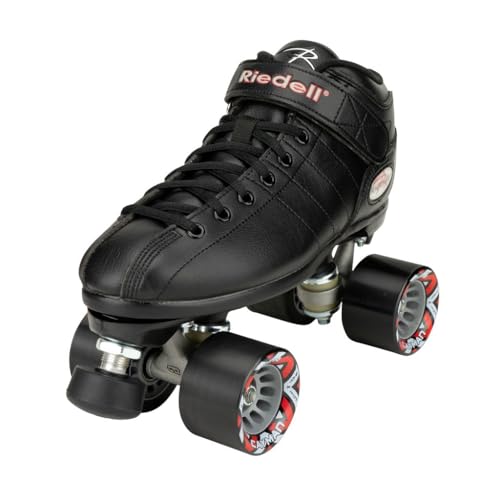
- ULTRA DURABLE: The R3 quad skates are man-made using a vinyl material for…
- COMFORTABLE FIT: These adjustable roller skates have an easy lace system,…
- SMOOTH, LONG LASTING RIDE: Roller skates women and men can depend on for a…
Impala Quad Skates (Retro Style)
For beginners and casual skaters, the Impala Quad Skates combine style and stability with a padded boot and grippy outdoor wheels. The vibrant designs and affordable price make them a top pick for recreational skating and social media-worthy looks.

- Bold pops of color and classic 70’s style are reborn. Rock retro rink…
- PETA-approved vegan product.
- PVC upper, heel, and sole.
Speed and Maneuverability: How Inline Skates and Roller Skates Compare
Inline skates are designed for speed and agility, making them the preferred choice for fitness skaters and urban commuters. Their single-line wheel configuration reduces friction and allows for longer strides, translating to higher speeds with less effort. For example, experienced inline skaters can reach 15-20 mph on smooth surfaces, while roller skaters typically max out around 10-12 mph. The longer frame also provides better stability at high speeds, crucial for downhill skating or avoiding obstacles.
Roller skates, with their wider wheelbase, offer superior lateral stability but sacrifice speed. The quad-wheel design distributes weight more evenly, making them ideal for beginners learning balance. However, their turning radius is larger compared to inline skates. This makes quick directional changes harder—something dancers and derby skaters overcome with specialized techniques like “plow stops” or “toe-stop pivots.”
Key Differences in Performance
- Acceleration: Inline skates accelerate faster due to lighter weight and less rolling resistance.
- Tight Turns: Roller skates require more space for sharp turns, while inline skates can execute hockey-style “parallel slides.”
- Surface Adaptability: Inline wheels (80mm+) handle rough pavement better, whereas roller skate wheels (typically 58-62mm) excel on smooth rinks.
A real-world example: If you’re weaving through city traffic, inline skates’ maneuverability lets you dodge pedestrians swiftly. Conversely, roller skates shine in roller discos where rhythmic movements and spins are prioritized over raw speed. Professional speed skaters almost exclusively use inline setups, while artistic skaters rely on quads for precise footwork.
Common misconception: Beginners often assume roller skates are “easier” for tricks. In reality, advanced inline skaters perform grinds and jumps using specialized aggressive skates like the Roces M12 Lo, which feature grind plates and smaller, harder wheels for skatepark use.
Pro Tip: Your skating goals dictate the better option. Choose inline for speed and distance; opt for quads if stability or dance-style skating is your focus. Hybrid setups like the Powerslide Phuzion (3-wheel inline) blend both worlds for versatile performance.
Learning Curve and Safety Considerations for Beginners
When choosing between inline skates and roller skates as a beginner, understanding the learning process is crucial. While roller skates offer initial stability due to their wider base, inline skates actually develop better long-term balance skills. The key difference lies in how each type trains your muscles – roller skates engage your side-to-side stability first, while inline skates immediately challenge your front-to-back balance.
Breaking Down the Learning Process
With roller skates, beginners typically progress through these stages:
- First 2 hours: Learning to stand and basic forward movement (often holding onto walls)
- First week: Developing confidence with straight-line skating and simple stops
- Month 1-2: Mastering crossovers and beginning backward skating
Inline skate learning follows a different pattern:
- First 4 hours: Finding balance point and learning to fall safely (more crucial than with quads)
- First 2 weeks: Developing proper stride technique and heel braking
- Month 2-3: Achieving fluid transitions and speed control
Safety Equipment and Injury Prevention
While both require protective gear, inline skaters need particular attention to:
- Wrist guards: 40% of inline injuries involve wrist fractures (compared to 25% for roller skates)
- Knee pads: Essential for practicing stops and falls, especially with inline’s forward-leaning stance
- Helmet fit: Must sit lower on forehead for inline skating due to forward posture
Professional instructors recommend starting with 1-2 hour sessions, focusing on proper falling techniques before anything else. For roller skates, practice falling sideways onto padded hips. For inline, learn to roll forward onto kneepads while keeping hands in fists (to avoid broken fingers).
Pro Tip: Many skating rinks now offer “hybrid lessons” where beginners try both styles. This helps identify which feels more natural to your body mechanics before investing in equipment.
Specialized Applications: Choosing the Right Skates for Your Discipline
The choice between inline and roller skates becomes particularly important when considering specialized skating disciplines. Each sport has developed unique skate modifications that optimize performance for specific movements and surfaces.
Competitive Skating Disciplines Compared
| Discipline | Preferred Skate Type | Key Features | Performance Requirements |
|---|---|---|---|
| Speed Skating | Inline (5-wheel setups) | Low-cut boots, 110-125mm wheels, long frames | Maximum straight-line speed, minimal friction |
| Artistic Skating | Roller (Quad) | High ankle support, toe stops, 57-62mm wheels | Precision footwork, spinning ability |
| Aggressive Skating | Inline (Specialized) | Grind plates, small hard wheels (56-60mm), reinforced cuffs | Impact absorption, rail sliding capability |
Technical Considerations for Different Surfaces
Surface type dramatically affects skate performance. Outdoor urban skating typically requires:
- Inline skates: Softer wheels (78A-85A durometer) for shock absorption on rough pavement
- Roller skates: Wider wheels (65mm+) with 85A-88A hardness for stability on uneven terrain
For indoor rink skating, the requirements shift:
-
- Inline: Harder wheels (88A-95A) for better slide and energy transfer on smooth surfaces
- Roller:
Smaller diameter wheels (57-62mm) with 95A+ hardness for precise artistic movements
Advanced Customization Options
Serious skaters often modify their equipment:
- Bearing upgrades: ABEC-7 or higher for competitive speed skating
- Frame adjustments: Rockering (curved wheel setup) for better maneuverability in slalom
- Boot modifications: Heat molding for perfect fit in artistic skating
Pro Tip: Many elite skaters maintain multiple setups – for example, speed skaters might have separate configurations for time trials (5x110mm) and mass-start races (4x125mm). Always consult with coaches before making significant equipment changes.
Maintenance and Longevity: Keeping Your Skates in Peak Condition
Proper maintenance significantly impacts skate performance and lifespan, with different requirements for inline and roller skates. Understanding these differences can extend your equipment’s usability by 2-3 times compared to neglected skates.
Routine Maintenance Schedules
Inline Skate Care (Weekly/Monthly):
- Wheel rotation: Rotate wheels every 8-10 hours of skating to prevent uneven wear (front wheels wear 30% faster)
- Bearing cleaning: Full disassembly and ultrasonic cleaning every 50-60 miles for outdoor skaters
- Frame inspection: Check for cracks or loose screws monthly, especially on aggressive skates
Roller Skate Care (Weekly/Monthly):
- Toe stop adjustment: Check thread tightness weekly as vibration loosens them during normal use
- Truck maintenance: Clean and lubricate pivot cups every 15-20 hours to prevent squeaking
- Cushion replacement: Change urethane cushions every 6-8 months as they compress over time
Advanced Troubleshooting Guide
Common issues and professional solutions:
| Problem | Inline Skate Fix | Roller Skate Fix |
|---|---|---|
| Vibration at speed | Check wheel alignment with laser tool (0.5mm tolerance) | Balance wheels using dynamic balancing stand |
| Premature wheel wear | Adjust stride to prevent excessive edging (common in beginners) | Check truck tightness – loose trucks accelerate inside edge wear |
Professional Storage Techniques
Proper storage prevents 80% of bearing failures and boot deformations:
- Always remove liners after skating to prevent moisture buildup
- Store skates upright with wheels barely touching the surface
- Use silica gel packs in storage bags for humidity control
- Loosen laces and straps to maintain boot shape during storage
Pro Tip: For high-end skates, invest in a bearing press tool ($40-60) for proper installation. Hammering bearings (a common DIY approach) reduces their lifespan by 40% and voids manufacturer warranties.
Cost Analysis and Long-Term Investment Considerations
Choosing between inline and roller skates involves significant financial considerations that extend far beyond the initial purchase price. A comprehensive cost analysis should account for equipment lifespan, replacement parts, and specialized accessories.
Initial and Ongoing Cost Breakdown
| Cost Factor | Inline Skates | Roller Skates |
|---|---|---|
| Entry-level Price | $120-$200 (basic fitness models) | $80-$150 (recreational quads) |
| Premium Models | $400-$800 (speed/aggressive) | $300-$600 (artistic/derby) |
| Annual Maintenance | $60-$120 (wheels, bearings) | $40-$90 (cushions, toe stops) |
| Average Lifespan | 3-5 years (with proper care) | 4-6 years (due to simpler mechanics) |
Hidden Costs and Value Considerations
Several often-overlooked factors impact total cost of ownership:
- Specialized accessories: Inline speed skates require specific frames ($150-$300) that aren’t cross-compatible
- Custom fitting: High-end roller derby skates often need $75-$150 boot heat-molding services
- Wheel rotation: Inline skates require more frequent wheel replacements (every 500-700 miles vs 800-1000 for quads)
Environmental and Safety Factors
Modern skate manufacturing is addressing sustainability concerns:
- Several brands now use recycled materials (up to 30% in some models)
- New bearing designs reduce lubrication needs by 40%, decreasing chemical runoff
- Vegan-friendly boot materials are becoming more prevalent in premium models
Future Trends: The market is shifting toward modular designs that allow component upgrades rather than full replacements. Brands like Powerslide now offer frames with adjustable wheel configurations, potentially extending skate lifespan by 2-3 years.
Pro Tip: Consider joining a local skating club for group discounts on equipment. Many manufacturers offer 15-20% discounts to registered club members, which can save $100+ annually on maintenance parts.
Performance Optimization: Fine-Tuning Your Skates for Maximum Efficiency
Advanced skaters understand that proper equipment tuning can improve performance by 15-30%, whether for speed, agility, or endurance. This optimization process differs significantly between inline and roller skate designs.
Precision Alignment Techniques
Proper alignment affects energy transfer and reduces fatigue:
- Inline skates: Use laser alignment tools to ensure wheels are perfectly parallel (within 0.3mm tolerance). Misalignment increases rolling resistance by up to 12%
- Roller skates: Adjust truck tightness using a durometer gauge – artistic skaters typically prefer 85-90A cushions, while derby skaters use softer 78-83A
Advanced Wheel Configuration Strategies
| Skating Style | Optimal Wheel Setup | Performance Impact |
|---|---|---|
| Inline Speed | 3x125mm rockered | 12-15% better cornering than flat setups |
| Roller Derby | 92A/95A mixed durometer | Better grip/slide balance on sport court |
| Urban Inline | 4x80mm with shock absorbers | Reduces vibration fatigue by 40% |
Specialized Bearing Maintenance
Professional-grade bearing care extends lifespan 3-5x:
- Use ultrasonic cleaner with citrus-based solvent (not alcohol)
- Apply precision lubricant (Teflon-infused for humid climates)
- Break in new bearings with 20-30 minutes of light skating
- Store with corrosion inhibitor in humid environments
Boot Customization for Performance
Elite skaters employ several advanced techniques:
- Heat molding: Professional shops use 3D foot scanning to create custom footbeds
- Ankle support: Inline skaters often add carbon fiber reinforcement for jumps
- Ventilation: Strategic drilling reduces boot weight by 15% without sacrificing support
Pro Tip: Competitive skaters should maintain a tuning log tracking adjustments and performance results. Small changes (like 0.5mm frame adjustment) can significantly impact race times or trick consistency.
Competition Preparation and Advanced Performance Metrics
Elite skaters require meticulous preparation that differs fundamentally between inline and roller disciplines. Understanding these specialized requirements can mean the difference between podium finishes and mid-pack results.
Discipline-Specific Training Protocols
| Discipline | Key Performance Metrics | Equipment Optimization | Common Pitfalls |
|---|---|---|---|
| Inline Speed | Stride efficiency (85-90° optimal knee angle) | Frame length = 1.1x foot size for stability | Over-rockering causes energy leaks |
| Roller Derby | Lateral acceleration (0-5m in 1.2s target) | 62mm/92A wheels for sport court | Excessive truck tightness limits agility |
| Artistic Roller | Spin revolutions (3+ for advanced jumps) | Toe stop height adjusted to skater’s center of gravity | Improper wheel hardness reduces pivot control |
Advanced Biomechanical Considerations
Proper technique optimization requires understanding kinetic chains:
- Inline skaters: Must maintain 15-20° forward lean to optimize quad/hamstring activation
- Roller skaters: Need precise weight distribution (60% front/40% rear) for optimal maneuverability
- Jump techniques: Inline requires toe-roll takeoff while roller uses toe-stop push
Competition Day Preparation
- Pre-race calibration: Check bearing spin time (should be 8-12 seconds for cleaned bearings)
- Surface adaptation: Test wheel hardness against competition floor (carry multiple durometers)
- Environmental factors: Humidity above 60% requires Teflon-based lubricants
- Safety validation: Stress-test all bolts at 50% above normal torque values
Long-Term Development Planning
Progressive equipment upgrades should match skill development:
- Year 1: Focus on proper boot fit and basic wheel configurations
- Year 2-3: Introduce customized frames and precision bearings
- Year 4+: Consider fully custom-molded boots and competition-grade components
Pro Tip: Elite coaches recommend filming practice sessions with high-speed cameras (240fps+) to analyze micro-adjustments in form that affect performance. A 2° change in ankle angle can improve push-off efficiency by 8%.
Conclusion: Finding Your Perfect Skate Match
The choice between inline skates and roller skates ultimately depends on your skating goals, body mechanics, and preferred disciplines. Throughout this guide, we’ve explored how inline skates excel in speed and urban mobility, while roller skates offer superior stability for artistic movements and rink skating.
Consider your priorities carefully – whether it’s the adrenaline of high-speed inline skating or the rhythmic flow of roller dance. Remember that proper equipment maintenance and gradual skill development significantly impact your skating experience regardless of which style you choose.
Both skate types offer unique benefits that can evolve with your abilities. Many skaters eventually own both varieties to enjoy the full spectrum of skating experiences. The key is starting with the style that matches your current fitness level and aspirations.
Now that you’re equipped with comprehensive knowledge, visit a local skate shop to test both options. Your perfect ride awaits – whether on a single line of wheels or the classic quad configuration. The skating journey begins with that first confident push.
Frequently Asked Questions About Inline Skates vs Roller Skates
What’s the main difference between inline and roller skates?
Inline skates arrange wheels in a single line, offering better speed and maneuverability for fitness or urban skating. Roller skates use a quad-wheel configuration that provides more stability, making them ideal for beginners, artistic skating, and roller rinks. The wheel placement affects everything from balance points to turning radius.
Inline skates typically have longer frames (230-280mm) compared to roller skates (160-200mm wheelbase). This structural difference impacts weight distribution – inline skates favor forward motion while quads allow easier side-to-side movement for dance moves or derby stops.
Which type is easier for beginners to learn?
Roller skates are generally easier for absolute beginners due to their wider base and natural stance. The quad configuration mimics our normal standing position, making initial balance easier to achieve. Most beginners can stand comfortably within their first 30 minutes on quads.
However, inline skates develop better long-term skating skills. While the learning curve is steeper (typically 2-3 weeks to feel comfortable), inline skaters often progress faster after mastering basic balance. Many instructors recommend starting with quads for children under 8.
Can I use the same protective gear for both types?
Basic protective gear (knee/elbow pads, wrist guards, helmets) works for both skate types. However, inline skaters should prioritize wrist guards with splints, as forward falls are more common. Roller skaters may prefer bulkier knee pads for frequent knee slides in derby.
Helmet fit differs slightly – inline skaters need the helmet positioned more forward to protect during forward falls. Always ensure your helmet meets ASTM F1492 or EN 1078 safety standards regardless of skate type.
How often should I replace wheels on each type?
Inline skate wheels typically last 300-500 miles but wear unevenly (front wheels faster). Rotate them every 8-10 skating hours to extend lifespan. Outdoor wheels (78A-85A) wear faster than indoor wheels (88A+). Check for flat spots or significant diameter reduction.
Roller skate wheels last longer (400-600 miles) but require checking for coning (uneven wear on edges). Artistic skaters may replace wheels every 3-6 months depending on practice intensity. Derby skaters often mix wheel hardness for optimal performance.
Which burns more calories – inline or roller skating?
Inline skating typically burns 15-20% more calories (400-600 kcal/hour) due to greater muscle engagement and continuous motion. The forward-leaning position activates core muscles more intensely, while the longer strides provide cardiovascular benefits.
Roller skating still provides excellent exercise (300-500 kcal/hour), especially in dance or derby styles that incorporate lateral movements. The calorie difference narrows in high-intensity roller derby sessions with frequent bursts of speed and direction changes.
Can I do tricks on both types of skates?
Both skates support tricks but specialize in different styles. Inline skates excel at grinds, jumps, and urban freestyle using specialized aggressive models with grind plates. The single-line wheels allow precise edge control for complex maneuvers.
Roller skates dominate artistic tricks like spins, footwork, and jam skating. The wider base and toe stops enable unique moves like toe spins and manual balances. Derby skaters perform quick directional changes and hockey stops not possible on inlines.
How do I choose the right size for each type?
Inline skates should fit snugger than shoes (5-10mm extra length) to prevent foot movement that causes blisters. Measure your foot in millimeters and consult brand-specific sizing charts, as fits vary widely between recreational and speed models.
Roller skates often fit true to shoe size but require considering width. Artistic skates run narrower than derby skates. Always try on with skating socks and check for heel lift – more than 3mm movement requires a different size or insole adjustment.
Are expensive skates worth the investment?
Premium skates offer better materials (carbon fiber, aircraft-grade aluminum) that improve performance and durability. A $300+ inline skate can last 5-7 years versus 2-3 for entry-level models. The precision bearings and customizable frames justify the cost for serious skaters.
For casual skaters, mid-range options ($150-250) provide excellent value. Avoid the cheapest models (under $100) as they often lack proper support and use inferior components that compromise safety and performance.