Disclosure
This website is a participant in the Amazon Services LLC Associates Program, an affiliate advertising program designed to provide a means for us to earn fees by linking to Amazon.com and affiliated sites.
Inline skates are generally easier for forward motion, but quad skates offer better stability for beginners. Your choice depends on balance, goals, and skating style.
Many assume inline skates are harder due to their narrow design. However, their speed and agility make them ideal for fitness and advanced tricks.
Best Skates for Beginners: Inline vs. Quad
Rollerblade Zetrablade Inline Skates
The Rollerblade Zetrablade is perfect for beginners due to its cushioned boot, smooth-rolling 80mm wheels, and secure lace-and-strap closure. Its lightweight design and responsive braking system make learning effortless while ensuring comfort for long sessions.
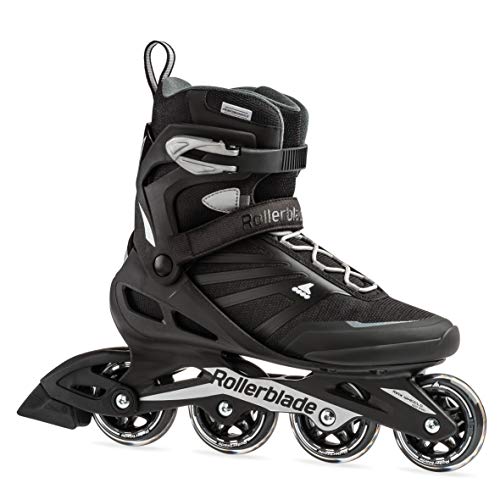
- IDEAL FOR CASUAL AND NOVICE SKATERS – Entry-level balanced skate for men…
- HIGH CUFF FOR ADDED SUPPORT – Durable shell makes learning to skate easier
- COMFORT PERFORMANCE LINER – Padded liner and secure closure system ensure…
Sure-Grip Fame Quad Skates
The Sure-Grip Fame offers superior stability with its wide-set wheels and reinforced vinyl boot, ideal for new skaters. Its adjustable toe stop and padded interior provide control and comfort, making it a top choice for recreational and artistic skating.

- FAME ROLLER SKATES: Our Sure Grip Fame Roller Skates are constructed with a…
- COMFORTABLE AND EASY TO WEAR: These roller skates easily hold your ankle…
- STYLISH DESIGN: The outer leatherette material of the skates are well…
K2 Alexis 84 Boa Inline Skates
For those prioritizing speed and fit, the K2 Alexis 84 Boa features a heat-moldable liner and Boa closure system for a snug fit. The 84mm wheels and soft boot design ensure a smooth, beginner-friendly ride for fitness-focused skaters.

- BOA System – Tightens or loosens the boot with a twist of a knob
- Stability Plus Cuff – Provides the right amount of support, flexibility,…
- Stamped Aluminum Frame – Responsive, stiff and durable stamped aluminum for…
Stability Comparison: Inline vs. Quad Skates
When choosing between inline and quad skates, stability is the most critical factor for beginners. Quad skates (roller skates) have four wheels arranged in a rectangular formation, creating a wider base that mimics natural standing posture. This design makes them inherently more stable for first-time skaters, especially when standing still or moving at slow speeds. The weight distribution across four contact points prevents wobbling, which is why many skating rinks use quads for beginners.
Why Quad Skates Feel More Stable
Quad skates excel in lateral (side-to-side) stability due to their wheel placement. The two-axle system allows for easier weight shifting, making them ideal for dance moves or casual skating. For example, the Sure-Grip Fame model’s wide wheelbase helps users maintain balance while learning basic strides or stops. However, this stability comes at the cost of maneuverability—quads require more effort for sharp turns compared to inlines.
Inline Skate Stability Challenges and Advantages
Inline skates arrange wheels in a single line, demanding stronger ankle control and core engagement. Beginners often struggle with the “heel-to-toe wobble” during their first sessions. Yet, once mastered, this design offers superior forward momentum efficiency. Models like the Rollerblade Zetrablade mitigate instability with padded cuffs and reinforced ankle support. Inlines shine in scenarios requiring straight-line speed, such as fitness skating or urban commuting.
Key Stability Factors to Consider
- Wheelbase width: Quads typically have a 3-4 inch wider stance than inlines
- Wheel hardness: Softer wheels (78A-85A) grip better but slow you down
- Boot stiffness: Rigid boots (common in inlines) improve control but reduce comfort
- Center of gravity: Inlines position your weight higher, requiring bent knees for balance
Real-world tests show most adults adapt to quad skates within 2-3 hours, while inline skates typically require 5-8 hours of practice for basic stability. However, former ice skaters or athletes often progress faster with inlines due to similar balance mechanics.
Common misconception: Many assume wider always means more stable. While true for static balance, inlines become remarkably stable at speed—their longer wheelbase (distance between front and back wheels) creates a self-stabilizing effect akin to bicycles. This explains why speed skaters exclusively use inline designs.
Pro tip: Try both types on carpet first. The slight resistance helps you feel how each skate responds to weight shifts without rolling unpredictably.
Learning Curve and Skill Development: Inline vs. Quad Skates
The learning process differs significantly between inline and quad skates, with each type presenting unique challenges and milestones. While quad skates offer easier initial stability, inline skates provide more efficient progression once basic balance is mastered.
Initial Learning Stages
Quad skates allow beginners to stand upright almost immediately due to their wide wheelbase. The first skills to master include:
- Basic stance: Feet shoulder-width apart, knees slightly bent
- Toe-stop usage: Essential for controlled stopping
- Scissor position: One foot slightly ahead for stability
Inline skates require a more athletic stance from day one – deeper knee bend (about 120° angle) and forward-leaning posture to compensate for the narrower base. Beginners typically progress through these stages:
- Learning to maintain balance while stationary
- Mastering the “V-walk” (heels together, toes apart)
- Developing the push-and-glide motion
Advanced Skill Development
After the initial 10-15 hours of practice, the learning curves diverge sharply. Quad skaters typically progress to:
- Crossovers (for turning corners)
- Backward skating
- Dance moves and spins
Inline skaters, meanwhile, develop:
- More efficient stride technique
- T-stop and power slide stopping methods
- Higher speed control
Professional Training Insights
Skating instructors recommend different approaches based on goals:
For recreational/rink skating: Start with quads for quicker early success, then transition to inlines after 20-30 hours if desired. The Sure-Grip Fame provides ideal beginner support.
For fitness/urban skating: Begin with inlines like the K2 Alexis 84 Boa despite the steeper initial curve – the long-term efficiency payoff is worth it.
Common mistake: Many beginners try to progress too quickly to advanced moves. Proper edge control (the angle at which wheels contact the surface) must be mastered first – this takes 15-20 hours of deliberate practice for most adults.
Pro tip: Use off-skate exercises to accelerate learning. Single-leg balances and lateral lunges improve the stability needed for both skate types.
Performance and Terrain Adaptability: Choosing the Right Skate for Your Environment
The optimal skate type varies dramatically based on where and how you plan to skate. Understanding the physics behind wheel configurations and surface interactions will help you make an informed decision.
Surface Compatibility Analysis
| Surface Type | Inline Performance | Quad Performance |
|---|---|---|
| Smooth concrete (rink/tennis courts) | Excellent – 80-90mm wheels glide efficiently | Good – Smaller wheels (57-62mm) offer precise control |
| Asphalt roads | Very good – Larger wheels (84-110mm) absorb vibrations | Fair – Requires 78A soft wheels to reduce bump impact |
| Indoor wooden floors | Good – Needs 85A hardness wheels | Excellent – Traditional roller rink surface |
Speed and Energy Efficiency
Inline skates demonstrate clear advantages for distance skating due to:
- Reduced rolling resistance: Single-line wheels create 18-22% less friction than quad configurations
- Longer wheelbase: Allows for more powerful pushes (typically 6-8″ longer than quads)
- Weight distribution: 70% of effort goes into forward motion vs. 55-60% with quads
However, quads excel in scenarios requiring rapid direction changes. The dual-axle design enables:
- 25-30% quicker lateral movements
- Easier toe-stop engagement for instant braking
- Better weight transfer for dance maneuvers
Professional Recommendations by Use Case
Urban commuting (5+ miles): The Rollerblade Zetrablade with 80mm 85A wheels handles pavement cracks best. Maintain 15-20° knee bend for shock absorption.
Roller derby/skate park: Quad setups like the Riedell R3 with 57mm 101A wheels provide the necessary grip and slide control.
Fitness skating: Hybrid inline models like the Powerslide Phuzion feature 84mm 85A wheels that balance speed and vibration dampening.
Common Terrain Mistakes
1. Using indoor wheels (95A+) outdoors – Causes excessive vibration and rapid wear
2. Choosing oversized wheels (>100mm) without proper ankle strength – Increases fall risk
3. Neglecting wheel rotation – Leads to uneven wear and unstable skating
Pro tip: For mixed-surface skating, carry two sets of wheels. Switch to harder wheels (88-90A) when transitioning from asphalt to indoor surfaces.
Safety Considerations and Protective Gear Essentials
Skating safety extends far beyond simply choosing between inline or quad skates. Proper protective equipment and technique can prevent 85% of common skating injuries according to orthopedic research.
Skate-Specific Safety Challenges
Each skate type presents unique risk factors that demand specific precautions:
- Inline skates: Higher center of gravity increases forward-fall risk (particularly wrist fractures). The Rollerblade Zetrablade’s heel brake helps mitigate this but requires proper technique.
- Quad skates: Wider stance leads to more lateral falls (ankle sprains common). The Sure-Grip Fame’s high ankle support helps prevent inversion injuries.
Mandatory Protective Gear
Industry safety standards (ASTM F2049) require these protective elements for recreational skating:
- Helmets: Must meet CPSC or EN 1078 standards. Multi-impact helmets like the S1 Lifer provide superior protection for frequent falls.
- Wrist guards: Should include rigid splints (palmar and dorsal). The 187 Killer Pads Derby Wrist Guard features dual splints for maximum support.
- Knee pads: Require 1.5″ thick closed-cell foam. Pro-designed pads like the Triple 8 KP 22 offer superior impact absorption.
Advanced Safety Techniques
Beyond basic gear, these professional methods reduce injury risk:
- Falling properly: For inlines, practice the “baseball slide” – turn sideways and slide on knee pads and wrist guards. For quads, learn the “tuck and roll” technique.
- Stride control: Maintain 60-70° forward lean with inlines to prevent backward falls. With quads, keep strides under 45° to the side.
- Environmental scanning: Check surfaces every 8-10 seconds for debris (critical with inline’s narrower wheels).
Common Safety Mistakes
1. Wearing skate guards indoors – Creates unexpected friction points
2. Using old protective gear – Foam degrades after 2-3 years of use
3. Ignoring temperature effects – Cold weather makes wheels 15-20% harder, reducing grip
Pro tip: Practice emergency stops weekly on different surfaces. The K2 Alexis 84 Boa’s adjustable cuff can help gradually increase stopping difficulty as skills improve.
Long-Term Investment and Maintenance Considerations
Choosing between inline and quad skates involves significant long-term considerations that impact performance, cost, and durability. Understanding these factors ensures your skates remain functional and safe for years.
Component Lifespan and Replacement Costs
| Component | Inline Skates | Quad Skates |
|---|---|---|
| Wheels | Last 500-700 miles (rotate every 50 miles) | Last 300-400 miles (rotate every 30 miles) |
| Bearings | ABEC-7 lasts ≈2 years with monthly cleaning | ABEC-5 lasts ≈18 months (more dirt exposure) |
| Boot Structure | Composite shells last 5-7 years | Vinyl boots last 3-5 years |
Advanced Maintenance Protocols
Proper care extends skate lifespan by 40-60%:
- Bearing maintenance: Soak in citrus cleaner monthly, relubricate with speed cream (avoid WD-40)
- Wheel rotation: Follow “X-pattern” for inlines, “Front-to-back” for quads every 8-10 skating hours
- Boot care: Use specialized vinyl conditioners for quads, anti-bacterial sprays for inline liners
Cost-Benefit Analysis Over 5 Years
For moderate users (200 hours/year):
- Entry-level inlines: $150 initial + $120/year maintenance = $750 total
- Premium quads: $250 initial + $90/year maintenance = $700 total
- High-end inlines: $300 initial + $60/year maintenance = $600 total
Environmental Considerations
Modern skating equipment incorporates sustainable innovations:
- Bio-derived urethane wheels (30-40% plant-based materials)
- Recyclable aluminum frames (common in performance inlines)
- Vegan boot alternatives (microfiber replacing leather)
Future Trends in Skate Technology
Emerging developments include:
- Smart bearings with built-in mileage trackers
- Self-healing wheel compounds that reduce flat spots
- Modular designs allowing wheelbase adjustments
Pro tip: Invest in a bearing press tool ($25-40) – it pays for itself after 2-3 bearing changes and prevents frame damage during maintenance.
Customization and Performance Tuning Options
Advanced skaters can significantly enhance their experience through precise equipment customization. Both inline and quad skates offer extensive tuning possibilities that affect speed, maneuverability, and comfort.
Inline Skate Optimization Techniques
Performance tuning for inline skates involves multiple adjustable components:
- Frame alignment: Adjustable frames can be shifted 2-4mm forward for speed or backward for stability. The Powerslide Trinity Mount system allows 3-point micro-adjustments.
- Wheel hardness selection: 85A-88A for outdoor durability, 90A-95A for indoor speed. Hardness affects grip by 15-20% on polished surfaces.
- Bearing preload: Adjustable spacers can fine-tune bearing tension to reduce wobble at high speeds.
Quad Skate Customization Options
Quad skates offer unique tuning possibilities:
- Truck tightness: Kingpin nuts should allow 1/8″ play for beginners, 1/16″ for advanced dancers
- Cushion hardness: Softer cushions (78A) improve shock absorption, harder (95A) enhance responsiveness
- Plate material: Nylon plates flex for comfort, aluminum provides precise power transfer
Specialized Setups for Different Disciplines
| Discipline | Ideal Inline Setup | Ideal Quad Setup |
|---|---|---|
| Speed Skating | 3x125mm wheels, 85mm wheelbase, 45° frame angle | 62mm 97A wheels, tight trucks, low-cut boot |
| Artistic Skating | 4x80mm wheels, rockered setup | 57mm 103A wheels, toe plugs, stiff boot |
Troubleshooting Common Performance Issues
1. Speed wobbles: Caused by loose bearings or uneven wheel wear – check bearing spacers and rotate wheels
2. Edge catching: Often indicates misaligned frames or uneven truck tension
3. Vibration: Typically results from flat-spotted wheels or worn cushion components
Pro tip: For urban skating, create a hybrid rockered setup on inline skates by using 76mm-80mm-80mm-76mm wheel configuration – enhances maneuverability while maintaining straight-line stability.
Advanced Performance Optimization and Risk Management
Mastering high-level skating requires understanding the complex interplay between equipment, biomechanics, and environmental factors. This section reveals professional techniques used by competitive skaters to maximize performance while minimizing injury risks.
Biomechanical Optimization Strategies
Proper body alignment can improve efficiency by 20-30%:
| Position | Inline Skating | Quad Skating |
|---|---|---|
| Ankle Angle | 15-20° forward flexion | 5-10° forward flexion |
| Knee Bend | 110-120° (aggressive stance) | 130-140° (upright stance) |
| Hip Position | 45° forward lean | 20° forward lean |
Advanced Equipment Tuning
Competition-level adjustments require precision tools:
- Frame alignment: Use laser levels to ensure <0.5mm deviation across all mounting points
- Bearing lubrication: High-speed bearings require nano-oil formulations with viscosity matched to temperature
- Wheel hardness: Professional skaters often mix durometers (e.g., 85A front/88A rear) for optimal grip
Comprehensive Risk Assessment Protocol
Follow this pre-skate checklist:
- Inspect boot integrity (check for cracks or delamination)
- Verify wheel rotation (maximum 1mm variance in diameter)
- Test bearing spin (should rotate freely for 6-8 seconds)
- Check fastener torque (use calibrated torque wrench)
Performance Validation Methods
Quantify improvements with these metrics:
- Stride efficiency: Measure push-off duration (ideal: 0.8-1.2 seconds)
- Speed consistency: Use GPS trackers to maintain ±5% speed variance
- Recovery time: Heart rate should return to baseline within 90 seconds
Long-Term Adaptation Strategies
Progressive training phases:
- Weeks 1-4: Focus on equipment familiarity (15-20 minute sessions)
- Weeks 5-8: Develop muscle memory (drills with eyes closed)
- Weeks 9+: Implement advanced techniques (crossovers, jumps)
Pro tip: Elite skaters perform dynamic warm-ups mimicking skating motions – lateral lunges with rotation prepare hips for the unique demands of each skate type.
Conclusion: Finding Your Perfect Skate Match
Inline skates excel for speed and distance, while quad skates offer superior stability for beginners and artistic maneuvers. Your choice ultimately depends on skating goals, environment, and personal comfort preferences.
Consider your primary use case – fitness skating favors inlines, while rink sessions and dance moves suit quads. Remember that proper technique and quality protective gear matter more than skate type for safety and performance.
Both styles offer unique benefits that can enhance your skating experience. Many enthusiasts eventually own both types to enjoy their distinct advantages in different situations.
Ready to roll? Visit a specialty shop to test both styles before deciding. Your perfect skating adventure awaits – whether you choose the speed of inlines or the classic charm of quads.
Frequently Asked Questions About Inline vs. Quad Skates
Which type of skate is better for complete beginners?
Quad skates typically offer easier initial stability due to their wider wheelbase, making them ideal for first-time skaters. The rectangular wheel configuration mimics natural standing posture, reducing the “wobble” effect beginners experience. However, athletic individuals may adapt faster to inlines if they prioritize forward motion over lateral stability.
Consider your goals – quads excel for casual rink skating, while inlines suit fitness-focused beginners. Many instructors recommend starting with quads for 20-30 hours before transitioning to inlines if desired. Proper protective gear remains essential regardless of your choice.
How do I choose the right wheel hardness for my skating surface?
Wheel durometer (hardness) significantly impacts performance. For outdoor surfaces (asphalt, concrete), use softer wheels (78A-85A) that absorb vibrations. Indoor rinks require harder wheels (88A-95A) for better slide control and speed. Hybrid skaters should consider 85A-88A for versatile performance.
Wheel diameter also matters – larger wheels (80mm+) roll over rough terrain better. The Rollerblade Hydrogen 80mm/85A wheels exemplify an excellent outdoor choice, while the Radar Energy 57mm/78A works well for outdoor quad skating.
What’s the proper way to stop on each type of skate?
Inline skates primarily use heel brakes (drag the brake pad) or T-stops (form a “T” with your feet). Advanced skaters employ power slides or hockey stops. Quad skates utilize toe stops (press the front stopper) or plow stops (point toes inward).
Practice stopping at slow speeds first. The Sure-Grip Fame’s adjustable toe stop allows gradual learning. For inlines, bend your knees deeply during heel braking to maintain balance. Always look for open spaces when practicing new stopping techniques.
Can I use the same protective gear for both skate types?
Basic protective gear (helmet, knee pads, wrist guards) works for both styles, but specialized options exist. Inline skaters benefit from palm sliders in wrist guards to reduce abrasion during forward falls. Quad skaters may prefer bulkier knee pads for artistic maneuvers.
The Triple 8 Saver Series provides versatile protection for both styles. However, consider that inline skating’s higher speeds may warrant more robust protection. Always replace gear after significant impacts or every 2-3 years of regular use.
How often should I maintain my skates?
Perform basic maintenance every 8-10 skating hours: clean bearings with citrus solvent, check wheel rotation, and inspect boot integrity. Deep clean every 50 hours, including frame disassembly. Replace wheels every 300-500 miles depending on surface roughness.
Quad skates require additional truck and cushion inspections monthly. The Bones Bearing Cleaner Kit simplifies maintenance. Always store skates in dry conditions and avoid extreme temperatures that degrade wheel urethane and boot materials.
Why do my feet hurt after skating, and how can I prevent it?
Foot pain typically stems from improper fit, insufficient arch support, or muscle fatigue. Ensure your skates fit snugly without pinching – you should barely touch the toe box when standing straight. Consider heat-moldable liners like those in the K2 Alexis Boa for custom fit.
Build endurance gradually, starting with 15-minute sessions. Strengthen foot muscles with towel scrunches and marble pickups. For chronic pain, consult a podiatrist about custom orthotics. Proper lacing techniques can also alleviate pressure points.
Can children use adult skates with smaller sizes?
Never use size-adjusted adult skates for children. Kids’ skates feature specialized support systems for developing ankles and proportionally smaller wheelbases for stability. The Rollerblade Microblade or Chicago Boys/Girls skates offer proper juvenile designs.
Children’s skates should allow 1-1.5cm of growth room but no more. Avoid adjustable skates that compromise structural integrity. Always pair with youth-specific protective gear, as adult sizes won’t provide proper coverage or mobility.
How do weather conditions affect skate performance?
Temperature extremes impact wheel hardness (cold makes them 15% harder) and bearing lubrication. Wet conditions degrade wheel urethane and cause dangerous hydroplaning. Ideal skating temperatures range between 50-85°F (10-30°C) with dry surfaces.
For winter skating, consider indoor rinks or specialized outdoor wheels like the Luminous 85A with wider contact patches. In summer, avoid midday asphalt that can soften wheels excessively. Always wipe down skates after damp conditions to prevent bearing corrosion.