Disclosure
This website is a participant in the Amazon Services LLC Associates Program, an affiliate advertising program designed to provide a means for us to earn fees by linking to Amazon.com and affiliated sites.
Feet going numb in figure skates is a common problem caused by improper fit, lacing, or pressure points. This painful sensation can ruin your performance and enjoyment on the ice. Our complete guide provides expert tips and proven methods to solve this issue for good.
Numbness signals restricted blood flow or nerve compression in your foot. Ignoring it can lead to long-term discomfort and skating difficulties. You will learn how to diagnose the root cause and implement effective solutions.
Diagnosing the Root Causes of Numb Feet
Numbness in figure skates isn’t random. It’s a clear signal from your body. The primary culprits are restricted blood flow and nerve compression. This often stems from three key issues.
First, skates that are too narrow or too short squeeze the foot. Second, improper lacing creates pressure points across the top of the foot. Third, a lack of proper arch support can strain nerves.
Identifying which issue you face is the first step to a permanent fix. Start by examining your skate’s fit and your lacing pattern carefully.
A Quick Fix: Targeted Padding and Support
Often, numbness is caused by a specific pressure point. Targeted gel pads can provide immediate relief. They redistribute pressure away from sensitive nerves and bones.
For many skaters, the Bunga Pads Gel Moleskin is a game-changer. These pads are designed for athletic use and stay in place during rigorous activity.
- Protects Metatarsals & Ankles: Cushions the top of the foot and ankle bones from lace pressure.
- Hypoallergenic & Breathable: Gel layer provides comfort without causing skin irritation.
- Stays Secure: Adhesive backing is strong enough for skating but removes cleanly.
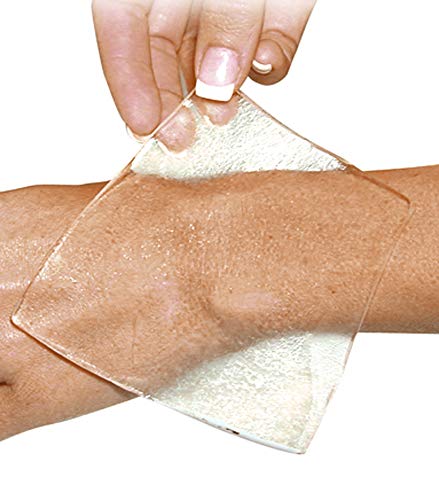
- Cut and Shape
- Washable and Reusable
- Cushions and Protects
Check current price on Amazon →
Using pads like these can be an effective stopgap. For a long-term solution, consider skates built for superior comfort and proper foot alignment.
When a Quick Fix Isn’t Enough: The Fit Imperative
If padding doesn’t solve the numbness, your skates likely don’t fit correctly. No accessory can fix a fundamentally poor fit. This is when investing in properly fitted equipment becomes essential.
Skates should hold your heel snugly without crushing the sides or top of your foot. Your toes should lightly brush the toe cap when standing straight. If you’re experiencing persistent issues, it’s time to explore skates designed for a better anatomical fit.
For example, our Jackson Ultima Classic Softskate 380 review highlights a boot known for its comfortable break-in. Alternatively, our guide to the best ice skates for women considers specific foot shapes and support needs to prevent numbness from the start.
How to Properly Lace Your Figure Skates to Prevent Numbness
Lacing technique is a major factor in foot numbness. Many skaters lace too tightly in the wrong areas. This creates pressure points that cut off circulation and compress nerves.
The goal is secure heel lock with variable tension along the foot. You need different tightness at the ankle, instep, and toe box. Mastering this can eliminate numbness without buying new gear.
Key Takeaway: Your lacing should be tightest at the ankle for support, loosest over the top of the foot (instep) to allow blood flow, and snug but not constricting at the toes.
The Correct Lacing Pattern for Optimal Blood Flow
Follow this step-by-step method every time you put on your skates. It prioritizes support where you need it and space where you don’t.
- Toes to Instep: Lace snugly but loosely. Your foot should feel secure but not squeezed. You should be able to wiggle your toes slightly.
- Over the Instep (Critical): This is the numbness zone. Cross the laces but do not pull them tight. Leave noticeable slack here to relieve pressure on the blood vessels.
- Ankle and Hook Zone: Pull firmly for a secure lock. This is where you need maximum tightness for stability and control.
Common Lacing Mistakes That Cause Numb Feet
Avoid these frequent errors that directly contribute to circulation problems. Correcting them can bring immediate relief.
- Uniform Tightness: Lacing the entire boot with equal tension is the top mistake. It crushes the sensitive top of the foot.
- Ignoring the “Criss-Cross”: Simply pulling the laces straight up without crossing them over the instep fails to create necessary slack.
- Over-Tightening Hooks: Cranking down on the top hooks can actually pull the lower part of the boot tighter, negating your careful instep work.
If perfecting your lacing doesn’t solve the issue, the problem may be the boot itself. Some foot shapes require specific designs, like those found in the 5th Element Grace skates, which are built for anatomical comfort.
Choosing the Right Figure Skate Fit and Width
Even perfect lacing cannot fix skates that are the wrong size or width. Numbness is often a direct result of a poor fundamental fit. Your skate must match your foot’s unique dimensions.
Figure skates should fit differently than street shoes. They require a performance fit that is precise and supportive. Understanding width sizing and break-in is crucial for long-term comfort.
Pro Tip: Your skate size is typically 1 to 1.5 sizes smaller than your street shoe size. Always get professionally measured for length AND width before purchasing.
Skate Width Sizing (A, B, C, D, E)
Width is just as important as length. Most numbness stems from skates that are too narrow. Manufacturers use a letter system to denote width.
- A (Narrow), B (Medium-Narrow): For slender feet with low volume. A common default that can be too narrow for many.
- C (Medium), D (Medium-Wide): The most common fitting for average foot volume. If you have numbness, you may need a D width.
- E (Wide), EE (Extra Wide): For high-volume or wide feet. Don’t force a wide foot into a narrow boot.
If your toes feel pinched or the top of your foot is under constant pressure, you likely need a wider size. Explore options like the Lake Placid Cascade skates, which are known for a roomier toe box.
The Professional Fitting and Break-In Process
Buying skates is not like buying sneakers. A proper fitting at a specialty shop is a non-negotiable investment. Experts will measure your foot in multiple places while you are bearing weight.
The break-in period should not cause persistent numbness. Some initial tightness is normal, but sharp pain or loss of sensation is not. A proper break-in molds the boot to your foot, not the other way around.
For growing skaters, an improper fit is a constant battle. Consider adjustable youth ice skates to accommodate growth without sacrificing fit and comfort.
Essential Accessories and Foot Care for Skaters
The right accessories can make a good fit great and alleviate specific pressure points. They address issues that the boot itself cannot solve. Think of them as fine-tuning your skating experience for maximum comfort.
Combined with proper foot care, these tools prevent numbness before it starts. They protect your feet during long training sessions and performances. Investing in a few key items is often more cost-effective than new skates.
Must-Have Skate Accessories to Improve Comfort
Targeted accessories solve specific problems that cause numbness. They are a practical intermediate solution before considering boot replacement.
- Custom Insoles/Footbeds: Replace the flat stock insole. Look for ones with arch support and metatarsal pads to distribute pressure evenly and align your foot correctly.
- Ankle Sleeves or Bunga Pads: These protect the ankle bones and tendons from lace bite and rubbing. They add a crucial layer of cushioning at common pressure points.
- Thin, Moisture-Wicking Socks: Never skate in thick cotton socks. They bunch up and shrink space, increasing pressure. Use technical skating socks or thin synthetics.
For skaters who use their gear in various conditions, choosing the right base equipment is key. Our guide on the best skates for indoor and outdoor use considers durability and support needs.
Pre-Skate Foot Care and Warm-Up Routine
Preparing your feet is as important as preparing your skates. Simple exercises increase blood flow and reduce the risk of compression.
Quick Pre-Skate Warm-Up: Before lacing up, spend 2-3 minutes doing ankle circles, pointing and flexing your toes, and rolling your foot over a small ball to loosen the plantar fascia.
Also, ensure your feet are completely dry before putting on your skating socks. Moisture can make feet swell slightly, exacerbating tightness. After skating, elevate your feet to reduce any swelling that occurred during the session.
If you struggle with cold feet contributing to numbness, selecting the right boot is vital. Explore options designed for warmth and comfort to maintain better circulation in chilly rinks.
When to Seek Professional Help for Numb Feet
Sometimes, the solution requires expertise beyond DIY fixes. Persistent numbness can indicate a serious fit issue or an underlying medical condition. Knowing when to seek help protects your skating future and your health.
If you’ve tried all adjustments and the problem remains, it’s time for professional intervention. This step is crucial for competitive skaters and serious enthusiasts. Ignoring chronic numbness can lead to nerve damage or altered technique.
Consulting a Professional Skate Fitter
A certified skate fitter is your most valuable resource. They possess tools and knowledge to diagnose problems you might miss. Their assessment goes beyond basic size and width.
- They Perform a 3D Analysis: Using tools like the Brannock Device and visual gait analysis, they assess your foot’s volume, arch type, and pressure points under weight.
- They Can Modify Boots: Professionals can punch out specific areas of a boot (like a bunion spot) or add strategic padding. This customizes an otherwise good-fitting skate.
- They Recommend Specific Models: Based on your foot shape, they can steer you toward brands and lines known for accommodating your needs, saving you from costly trial and error.
For example, a fitter might recommend a model known for a specific fit, like those discussed in our Rollerblade Ice Diva review, for a recreational skater with a particular foot shape.
Recognizing Signs of Medical Issues
In some cases, numbness may not be solely skate-related. It’s important to recognize red flags that warrant a visit to a doctor or podiatrist.
Seek Medical Advice If: Numbness persists long after removing skates, occurs in daily shoes, is accompanied by tingling/burning pain, or is only in one foot. This could indicate conditions like Morton’s Neuroma, tarsal tunnel syndrome, or circulatory problems.
A healthcare professional can provide a definitive diagnosis. They may recommend orthotics, physical therapy, or other treatments. Addressing a medical cause is essential for both your skating and overall well-being.
Preventative Measures and Long-Term Foot Health
Preventing numbness is more effective than treating it repeatedly. Adopting good habits protects your feet over a long skating career. This proactive approach ensures comfort and peak performance season after season.
Long-term foot health in figure skating requires consistent care and smart equipment choices. It combines on-ice practices with off-ice maintenance. Your feet are your foundation; their care is non-negotiable.
Developing a Skating-Specific Foot Care Routine
Incorporate these simple practices into your regular training schedule. They promote circulation, strength, and recovery to make your feet more resilient.
- Post-Skating Foot Rolls: Use a frozen water bottle or a firm ball to roll the arches of your feet for 2-3 minutes. This reduces inflammation and loosens the plantar fascia.
- Ankle and Toe Flexibility Exercises: Practice writing the alphabet with your toes and doing resisted ankle dorsiflexion stretches. This maintains range of motion compromised by stiff boots.
- Regular Sock and Insole Checks: Inspect your skating socks for thin spots and replace insoles every 6-12 months. Worn-out support changes your foot’s position inside the boot.
Knowing When Your Skates Are Worn Out
Boots lose their structural integrity over time, leading to fit issues and numbness. A broken-down boot cannot provide proper support, causing your foot to slide and press against the shell.
Signs You Need New Skates: The ankle collar collapses inward when unlaced, you can pinch significant material on the sides, or you feel your foot pronating (rolling inward) excessively on edges. These indicate the support is gone.
Continuing to skate in broken-down boots is a primary cause of new-onset numbness in experienced skaters. The boot no longer holds your foot in the correct, safe position. Investing in a new, properly fitted pair restores function and comfort.
For skaters looking for a durable, supportive option that maintains its shape, our Lake Placid Nitro 8.8 review highlights a boot built for longevity and performance fit.
Advanced Solutions: Heat Molding and Custom Orthotics
For persistent numbness, advanced customization may be the final solution. These methods tailor the skate directly to your foot’s unique contours. They bridge the gap between off-the-rack skates and fully custom boots.
Heat molding and orthotics address structural and anatomical issues standard skates can’t. They are investments in comfort and performance. Consider these options if all other fixes have provided only partial relief.
The Benefits of Professional Heat Molding
Many modern skate boots are thermoformable. This means a professional can heat the inner materials to make precise adjustments. The process is controlled and targeted.
- Relieves Specific Pressure Points: The boot can be expanded in a localized area, like over a bony prominence or a high instep, without affecting overall support.
- Improves Heel Pocket Conformity: Heat molding creates a perfect, locked-in heel fit, preventing slippage that can cause compensating tightness elsewhere.
- Accelerates Break-In: It mimics months of natural break-in in one session, reducing the period of initial discomfort that can cause temporary numbness.
Always have this done by a certified technician. Incorrect heating can permanently damage the boot’s structure and support.
When to Consider Custom Skate Orthotics
Stock insoles are flat and offer minimal support. Custom orthotics correct your foot’s alignment inside the boot. This can resolve numbness caused by biomechanical issues.
You May Need Orthotics If: You have very high arches (cavus foot), flat feet (pronation), or a significant leg length discrepancy. These conditions put uneven pressure on nerves and vessels.
A podiatrist or pedorthist takes a 3D cast or scan of your foot. They then build an orthotic that provides precise arch support, metatarsal padding, and heel cup. This stabilizes your foot, preventing it from collapsing and pressing against the boot’s shell.
While an advanced step, orthotics can be the definitive fix for skaters with atypical foot structures. They ensure your weight and force are distributed optimally, eliminating the hot spots that lead to numbness.
Best Products for Preventing Numb Feet in Skates
Investing in the right accessories can solve specific pressure point problems. These products are widely recommended by skaters and fitters for immediate comfort improvements. They target the common causes of numbness effectively.
Superfeet FlexMax Carbon Insoles – Best for Arch Support
These premium insoles replace flat stock footbeds with dynamic carbon fiber arch support. They stabilize your foot to prevent rolling and distribute pressure evenly. The deep heel cup and metatarsal pad improve alignment, reducing nerve compression across the foot.
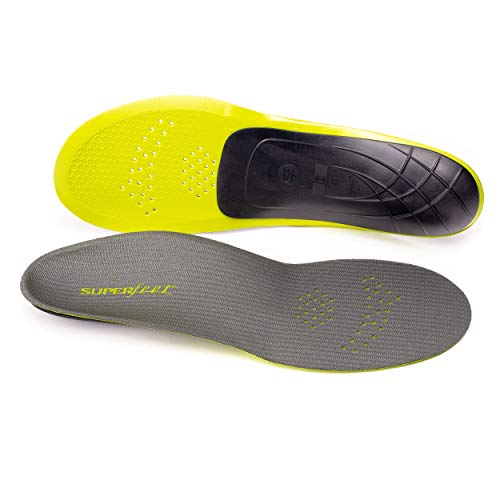
- Trim to Fit: Superfeet insoles are made to be trimmed to fit your shoes and…
- Low Orthotic Support: Low arch orthotic support helps stabilize the foot…
- Insoles for Men & Women: Heel cup positions and cradles the heel to…
Bunga Pads Gel Moleskin Strips – Best for Targeted Pressure Relief
Ideal for addressing specific hot spots like ankle bones or the top of the foot. The hypoallergenic gel layer cushions without bulk, protecting nerves from direct lace pressure. They stay securely in place during rigorous activity and are easily trimmed to size.
- Cut and Shape
- Washable and Reusable
- Cushions and Protects
Ezeefit Ankle Booties – Best for Preventing Lace Bite
These thin, seamless sleeves protect the entire ankle and Achilles area from friction and pressure. Made from moisture-wicking fabric, they prevent blisters and reduce inflammation around sensitive tendons. Their low profile ensures they fit comfortably inside any skate boot without altering fit.

- The ultimate blister solution
- Creates friction barrier
- Great performance wet or dry
Conclusion: Achieving Comfort and Performance in Your Figure Skates
Numb feet in figure skates are a solvable problem. The solution lies in proper fit, smart lacing, and targeted accessories. Addressing these areas restores comfort and unlocks your full skating potential.
Start with the simplest fix first: your lacing technique. This costs nothing and often brings immediate relief. If that fails, systematically check your skate’s width and consider professional fitting.
Take action today by re-lacing your skates using our guide. Your feet should feel supported, not strangled. Comfort is the foundation of confidence and technical excellence on the ice.
You can skate longer, stronger, and with greater joy by eliminating numbness for good.
Frequently Asked Questions About Numb Feet in Figure Skates
What is the most common cause of numb feet in skates?
The most common cause is improper lacing technique, specifically lacing too tightly across the instep. This area contains superficial nerves and blood vessels. Tight laces compress these structures against the hard skate tongue.
Other frequent causes include skates that are too narrow or lack adequate arch support. Always rule out lacing first, as it’s the easiest and fastest variable to adjust for immediate relief.
How can I tell if my skates are too narrow?
Your skates are likely too narrow if you feel consistent pressure on the sides of your feet, especially at the ball. Your toes may feel pinched together or cramp quickly. Numbness or tingling on the outer edges of your feet is a key sign.
Visible bulging over the sides of the boot’s sole is another indicator. A professional fitter can measure your foot’s width to confirm if you need a size like D or EE instead of the standard B.
Should I wear thick socks to prevent numb feet?
No, wearing thick socks is a common mistake. They take up valuable volume inside the boot, increasing overall pressure. Thick materials also tend to bunch, creating their own pressure points and restricting circulation.
Always wear thin, moisture-wicking technical socks designed for skating or skiing. These provide a slight protective layer without compromising the precise fit of your boot, allowing for better blood flow.
What is lace bite and how does it cause numbness?
Lace bite is inflammation of the tendons on the front of your ankle, caused by direct lace pressure. It creates sharp pain that can radiate and lead to numbness in the toes. The pressure irritates both tendons and nerves in the area.
Prevent it by using a lace bite pad or gel strip over the sensitive spot. Also, ensure the skate’s tongue is centered and consider lacing techniques that skip a hook over the painful area to relieve direct pressure.
Can custom orthotics really help with skate numbness?
Yes, custom orthotics can be a game-changer, especially if you have high arches, flat feet, or a biomechanical issue. They correct your foot’s alignment inside the boot, preventing it from collapsing and pressing against the shell unevenly.
By providing precise arch support and weight distribution, they eliminate hot spots and nerve compression. A podiatrist or certified pedorthist can create orthotics specifically for your skates and foot structure.
How long should new skates cause discomfort versus numbness?
New skates may cause general stiffness and mild discomfort for 5-10 hours of skating as they break in. This is normal molding. However, sharp pain, tingling, or numbness are not normal break-in sensations and should not be “skated through.”
If these symptoms occur, stop immediately. They indicate a poor fit or pressure point that will not improve with time and could cause injury. Address the fit or lacing before continuing.
What are the best lacing techniques for high arches?
For high arches, you need to relieve pressure on the top of the foot. Use the “gap lacing” or “parallel lacing” method over the instep. This creates a window of space directly over the high point of your arch.
You can also try skipping an eyelet in the high-pressure zone. Combine this with quality insoles that provide proper arch support to prevent your foot from sinking down and creating more pressure.
When is it time to see a doctor about skate-related numbness?
See a doctor if numbness persists for hours after removing skates or occurs during normal walking. Also seek help if it’s accompanied by burning pain, weakness, or affects only one foot. These could signal neurological or vascular issues.
Persistent symptoms may indicate conditions like Morton’s neuroma or tarsal tunnel syndrome. A healthcare professional can provide an accurate diagnosis and treatment plan beyond equipment adjustments.
Is It Normal for New Skates to Cause Numbness?
No, persistent numbness is never normal, even in new skates. Initial tightness and mild discomfort are expected during the break-in period. However, sharp pain, tingling, or loss of sensation are red flags.
New skates should feel snug and supportive, not constricting. If numbness sets in during the first few wears, stop and reassess. The fit is likely incorrect, or your lacing technique needs adjustment immediately.
Can the Way I Tie My Skates Really Make That Much Difference?
Absolutely. Lacing is the single most impactful adjustment you can make without buying new gear. The nerves and blood vessels running across the top of your foot are very superficial.
- Direct Pressure: Tight laces directly compress these structures against the hard tongue of the boot.
- Variable Tension: The “loose over the instep” technique creates a vital pressure relief channel.
- Immediate Effect: Changing your lacing pattern can eliminate numbness within a single session.
Should I Size Up If My Feet Go Numb?
Not necessarily. Numbness is often a width or volume issue, not a length issue. Sizing up gives you more length, which can cause heel slippage and blisters, but may not add width where you need it.
Better Solution: First, try a wider width (e.g., from a B to a D) in the same length. If numbness persists, consult a professional fitter before changing the length. They can determine if you need a different brand or model built for your foot shape.
Jumping to a longer size is a common mistake that creates new problems while failing to solve the original one. Always prioritize proper width and professional fitting advice.