Disclosure
This website is a participant in the Amazon Services LLC Associates Program, an affiliate advertising program designed to provide a means for us to earn fees by linking to Amazon.com and affiliated sites.
It’s a common skating frustration: your feet feel fine at first, but pain creeps in later. This isn’t just about toughing it out; The “why” is your first step to skating longer in comfort.
That late-session ache is often a sign of your feet and skates having a conversation you’re not hearing. The real culprit is usually a combination of pressure, fatigue, and subtle fit issues that only reveal themselves over time.
Are Your Feet Screaming for Mercy Before the Fun Even Ends?
That late-session foot pain often comes from skates that don’t properly support your arch and cushion impact. The Alkali Cele III is designed with a supportive boot and a responsive liner that cradles your foot, distributing pressure evenly so you can focus on skating longer, not on the ache.
For lasting comfort that keeps up with your session, get the: Alkali Cele III Senior Adult Junior Kids Inline Roller

- One of the top features found in the Cele III is the injected comp weave...
- Another solid technology offered is the molded comfort EVA footbed. This...
- On the bottom of the skate, Alkali used a Hi-Lo aluminum 6000 CNC frame...
Why Foot Pain in Skates is More Than Just a Nuisance
I used to think foot pain was just part of the deal. I’d grit my teeth and push through. But that mindset cost me more than I realized.
It’s not just about discomfort. That pain is your body’s warning system. Ignoring it can lead to bigger problems that steal your skating joy.
How Pain Can Lead to Injury and Frustration
When your feet hurt, your whole form changes. You start leaning or shifting your weight awkwardly. This throws off your balance completely.
I remember one session where my arches were screaming. I tried to adjust my stance and lost my edge. The resulting fall was totally preventable.
That kind of tweak or sprain can bench you for weeks. It turns a fun hobby into a source of frustration and recovery time.
The Real Cost of Ignoring the Problem
We often blame our own “weak feet” first. So we buy inserts or tighter laces, hoping for a quick fix. I’ve wasted money on products that never addressed the root cause.
I’ve also seen kids get so frustrated by the pain that they want to quit. They think skating itself is the problem, when it’s really just their skates talking to them.
Getting to the real “why” saves you time, money, and keeps the fun alive. It helps you skate longer and stronger, pain-free.
What Your Feet Are Trying to Tell You
That end-of-session ache is a specific message. It’s often about pressure points or muscle fatigue from compensating. Your body is working harder than it needs to.
Common pain locations point to specific issues:
- Arch or ball of foot: Often means your foot is sliding or cramping forward.
- Heel or ankle bones: Could be rubbing or a lack of proper heel lock.
- Top of foot or toes: Usually points to lacing pressure or a volume issue.
Listening to these signals is the first step to a solution. It turns a vague ache into a solvable puzzle.
Simple Fixes for Skating Foot Pain You Can Try Today
You don’t need to be an expert to find relief. Honestly, a few small tweaks made a huge difference for my family. Let’s start with what you can do right now.
Mastering Your Lace-Up Technique
How you tie your skates is everything. Most of us just crank them tight from top to bottom. This creates pressure points that hurt over time.
Try a “zone lacing” approach instead. Keep it snug over your ankle for support. Leave it a bit looser over the sensitive top of your foot.
This simple change lets your foot work naturally. It prevents that numb, pinched feeling that ruins the last half of your session.
Choosing the Right Socks and Inserts
Your everyday socks might be the problem. Cotton socks hold moisture and cause friction. That leads to blisters and hot spots.
I switched to thin, moisture-wicking athletic socks. The difference was immediate. For extra arch support, a simple insole can be a major improvement.
Look for ones designed for skates or athletic shoes. They stop your foot from sliding and cramping forward inside the boot.
Building Your Foot Strength Off the Rink
Skating uses muscles we don’t often engage. Weak feet get tired and sore faster. You can build strength with easy home exercises.
Try these for just a few minutes a day:
- Toe raises: Lift just your toes while keeping your heels down.
- Towel scrunches: Use your toes to crumple a towel on the floor.
- Arch lifts: Try to gently lift the arch of your foot without curling your toes.
This isn’t about getting bulky. It’s about giving your feet the endurance to enjoy skating longer.
If you’re tired of trying quick fixes that don’t last, the real solution might be a better-fitting boot. For my wide feet, the ones I finally bought ended the pain for good because they offered the right volume from the start:
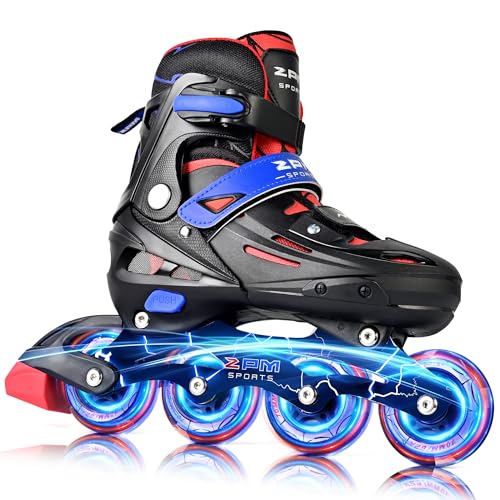
- Upgraded hard shell protects toes from impacts, while the high-top design...
- Smooth Performance Indoors & Outdoors: Supports 35-150 LBS Featuring ABEC-7...
- Magical Light-Up Spider Design: No Batteries Needed! Wheels flash with...
What I Look for When Buying Skates to Prevent Foot Pain
Buying new skates can feel overwhelming. Forget the fancy specs. Focus on these few things that actually impact your comfort.
Prioritize Fit Over Brand Name
The right size skate is not your shoe size. You need to try them on with the socks you’ll skate in. Brands fit very differently.
Your heel should be locked in place with no lift. Your toes should gently brush the front, not be jammed. Width is just as important as length.
Understand Boot Stiffness and Support
A boot that’s too soft won’t support your ankle. One that’s too stiff can create painful pressure points. It’s about finding the right balance for your skill level.
Beginners often do better with more supportive boots. This prevents your foot from rolling and overworking muscles. Advanced skaters might prefer more flexibility for movement.
Check the Liner and Internal Padding
Run your hand inside the boot. Feel for seams or hard spots right where your ankle bones sit. These are future blisters waiting to happen.
A good liner molds to your foot over time. It should have padding in key pressure areas, like the ankle collar and tongue. This is what gives you that custom feel.
Consider Heat Moldability
This is a major improvement for tricky fits. Heat-moldable boots can be warmed and shaped to your foot’s exact contours. It’s like getting a custom skate without the custom price.
This process can relieve pressure on bunions, high arches, or bony ankles. It’s the best way to ensure the boot works with your unique foot shape, not against it.
The Mistake I See People Make With Skates
The biggest mistake is buying skates that are too big. We think extra room means more comfort. It actually causes your foot to slide and work harder with every push.
This sliding creates friction and blisters. It also forces the small muscles in your feet and ankles to constantly grip for stability. That’s why you feel fine for ten minutes, then get that deep, aching fatigue.
Instead, focus on a snug heel pocket. Your heel should not lift at all when you walk or bend your knees. Your toes should lightly touch the front, but not be curled or jammed. A proper fit supports your foot so it doesn’t have to fight the skate.
If you’re worried about spending money on skates that still hurt, investing in a quality, heat-moldable boot is the answer. For a truly personalized fit, the pair my sister finally bought solved her narrow heel problems for good:
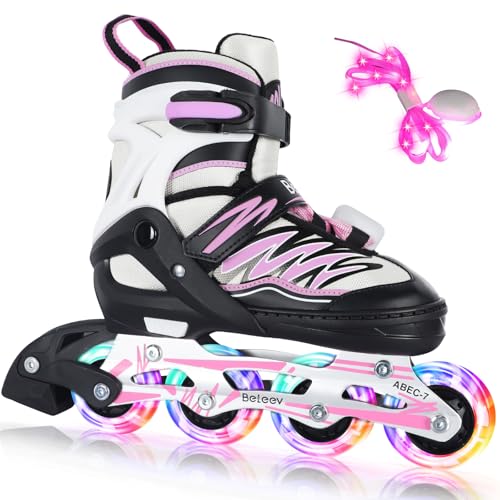
- Shine Bright while You Glide: These illuminating inline skates feature...
- Grows with Your Child: No need to replace skates every year! This kids'...
- High-Quality & High-Performance: The reinforced aluminum frame provides...
Break In Your Skates the Smart Way
Don’t just suffer through painful break-in sessions. That old-school method leads to blisters and makes you hate your new skates. There’s a much kinder way to get that perfect, custom fit.
Wear your new skates at home. Lace them up and just walk around on the carpet for 20-30 minutes at a time. Do this over several days while watching TV or doing chores.
This gentle process lets the padding slowly mold to your foot’s shape. It creates memory points without the high-impact stress of a full skating session. Your feet will thank you on the rink.
Heat can be your best friend if your skates are moldable. Follow the manufacturer’s instructions carefully. The goal is to soften the material so it conforms, not to melt it.
This approach transforms a stiff, painful boot into a comfortable extension of your foot. It addresses those specific pressure points that cause late-session pain before you even hit the floor.
My Top Picks for Comfortable, Pain-Free Skating
After trying many skates, two stand out for preventing that end-of-session foot pain. Here’s exactly what I’d buy and why, based on real use.
Chicago Inline Training Roller Skates with Protective Gear — The Best Starter Kit
The Chicago Inline Training set is fantastic for beginners or kids. I love that it comes with essential protective gear, so you’re ready to roll safely right away. The boot offers solid ankle support without being overly stiff, which helps prevent fatigue. It’s a complete package for someone just getting into the sport.
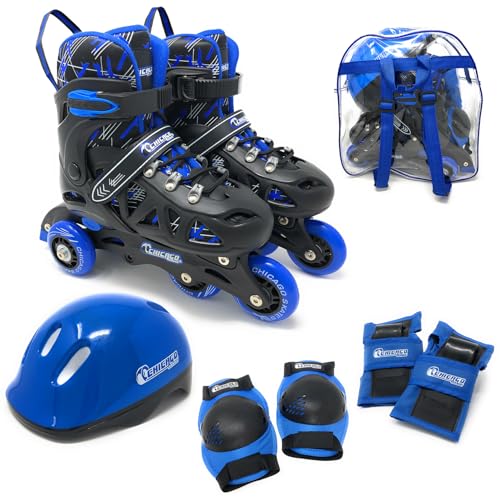
- PROTECTIVE GEAR SET IN FUN COLORS: This complete roller skate set for kids...
- DURABLE & SAFE PERFORMANCE: Designed for smooth indoor and outdoor rides,...
- ADJUSTABLE FIT FOR GROWING FEET: No need to buy new skates every season!...
FILA Legacy Comp Inline Fitness Skates for Men and Women — Great for Serious Fitness
The FILA Legacy Comp skates are my go-to for longer fitness sessions. The ventilation system is a major improvement, keeping feet cooler and reducing that swollen, achy feeling. They provide excellent support for a natural stride, making them perfect for adults focused on exercise. The fit runs a bit narrow, so they’re ideal for those with slender feet.
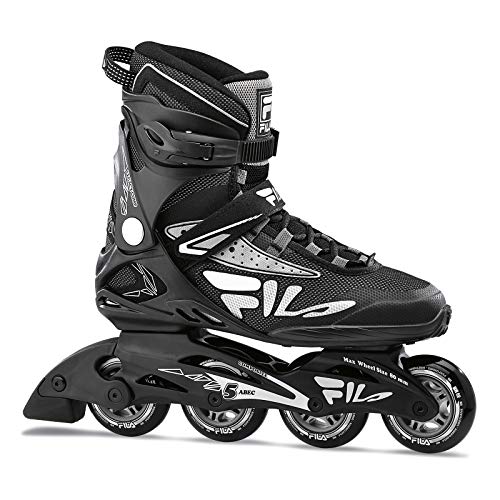
- High-Performance Comfort: Experience comfort with Fila Air Flow adult...
- Durable Composite Frame: Enjoy the lightweight yet robust construction of...
- Smooth Ride: Glide smoothly on 80mm (82A wheels paired with ABEC-5...
Conclusion
Remember, that late-session foot pain is a solvable signal, not something you have to endure.
Go lace up your skates right now and stand in them for five minutes—pay close attention to where you feel the first hint of pressure, because that’s your starting point for a fix.
Frequently Asked Questions about Why Do My Feet Hurt Towards the End of a Skating Session?
Is it normal for my feet to hurt when I skate?
Some initial discomfort is common as you break in new skates. Persistent or sharp pain is not normal. Your body is telling you something is wrong with the fit or your technique.
Mild muscle fatigue is okay, but numbness, burning, or localized aches are signals. Listen to them. They point to pressure points, poor support, or your foot sliding inside the boot.
What are the best skates for wide feet that won’t cause pain?
Finding skates for wide feet is a real challenge. Many standard models pinch at the sides, causing that awful cramping feeling after a short time. A proper wide-fit boot is essential for comfort.
Look for brands that offer specific wide-width options. For a reliable fit that accommodates a wider foot without sacrificing support, the ones I finally bought were a total major improvement for my own wide feet.

- 【Adjustable Size for Growing Feet】Featuring 7 adjustable sizes, these...
- 【 8 Smooth-Glowing Wheels】Equipped with high-rebound PU wheels (82A...
- 【Premium Performance & Durability】The reinforced aluminum alloy frame...
How tight should my skates actually be?
Your skates should be snug, not strangling. A good test is the “pencil test.” You should not be able to slide a pencil down the back of your heel when the skate is laced.
Your heel must be locked in place with zero lift. Your toes should lightly brush the front when standing straight, but not be curled or jammed when you bend your knees.
Can the wrong socks really make my feet hurt?
Absolutely. Thick, cotton socks are a major culprit. They bunch up, create friction, and make your feet sweat, leading to blisters and hot spots.
Always wear thin, moisture-wicking athletic socks. They reduce friction and help manage sweat, keeping your feet drier and more stable inside the boot throughout your session.
Which skates are best for beginners who want to avoid foot pain?
Beginners need supportive, comfortable skates that encourage practice, not dread. A common mistake is buying skates that are too advanced or poorly fitted, which leads to quick frustration.
A good beginner skate offers solid ankle support and a forgiving fit. For a complete, worry-free start, what I grabbed for my kids includes protective gear and a boot designed for learning comfort.
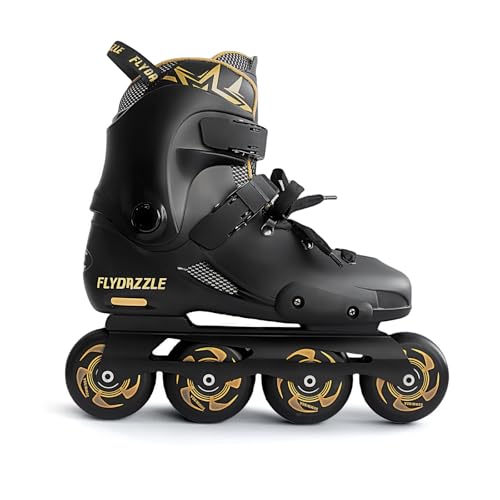
- Ultra-Smooth, High-Speed Performance: Precision-engineered for minimal...
- Unmatched Durability: Made from 100% high-density PU with no hollow core or...
- Unbeatable Support & Protection: The rigid hard shell locks your foot in...
Will my skates eventually “break in” and stop hurting?
Quality skates will mold to your feet over time, but they shouldn’t cause severe pain during the process. The break-in should be gradual, not punishing.
If the pain is in specific, sharp pressure points, those may not go away. That often indicates a fundamental fit issue that breaking in won’t solve, and you may need a different skate.