Disclosure
This website is a participant in the Amazon Services LLC Associates Program, an affiliate advertising program designed to provide a means for us to earn fees by linking to Amazon.com and affiliated sites.
No, inline skating isn’t dead but its popularity has dramatically shifted. Once a 90s cultural phenomenon, it now thrives in niche communities. Let’s uncover why.
Many assume rollerblading faded into obscurity after its peak. But underground skate crews, fitness enthusiasts and urban commuters still keep it alive. The story is more complex. From oversaturation to the rise of scooters, we’ll explore the forces behind its decline and why a quiet resurgence is brewing
Best Inline Skates for Urban Skating and Fitness
Rollerblade Twister XT Men’s Adult Fitness Inline Skate
The Rollerblade Twister XT Men’s Adult Fitness Inline Skate (model RB-80-XT) is a top-tier urban skate with a durable fiberglass-reinforced frame and 80mm wheels for speed and stability. Its breathable liner and adjustable cuff ensure comfort for long-distance skating.
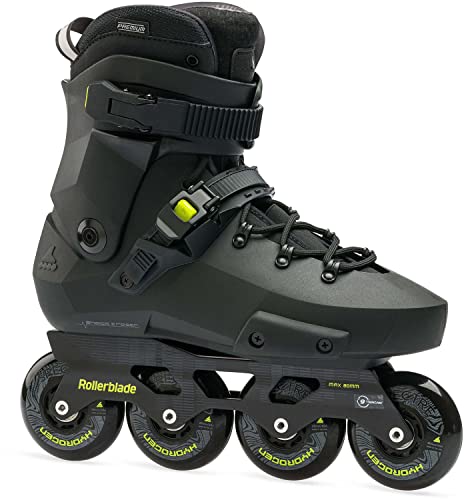
- THIS SKATE IS FOR – Urban, fitness, commuting and recreational skating. The…
- SKATE LINER PLUS PROVIDES A TRUE PREMIUM FIT FOR SKATING with its new…
- SECURE CLOSURE SYSTEM – Locking cuff buckles, micro-adjustable 45° buckles…
Powerslide Next Core 90
For advanced skaters, the Powerslide Next Core 90 offers a carbon-reinforced boot and 90mm wheels for superior agility. The Trinity mounting system enhances power transfer, making it ideal for aggressive street skating.

K2 VO2 90 Boa
The K2 VO2 90 Boa (model K2-VO2-90-BOA) combines fitness and performance with a lightweight design and BOA lace system for a precise fit. Its 90mm wheels and responsive frame make it perfect for speed and endurance.

- BOA System – Tightens or loosens the boot with a twist of a knob
- VO2 Cuff – A lightweight supportive cuff for bigger wheels and higher…
- VO2 S Frame – Single Sided extruded & machined 6061 aluminum frames for…
The Rise and Fall of Inline Skating: What Really Happened?
Inline skating exploded in popularity during the 1990s, becoming a cultural phenomenon that dominated sports, fashion, and urban mobility. Brands like Rollerblade became household names, and skate parks buzzed with activity. However, by the early 2000s, its mainstream appeal sharply declined. Several key factors contributed to this shift:
Oversaturation and Market Fatigue
The late 90s saw an oversupply of cheap, low-quality skates flooding the market. Many first-time buyers experienced discomfort or injuries due to poor support and unstable frames, leading to negative perceptions. Unlike specialized brands (e.g., Powerslide or K2), budget models often lacked proper ankle support, deterring long-term adoption.
The Rise of Alternative Sports
Extreme sports like skateboarding and BMX gained traction in the X-Games era, drawing younger audiences away from inline skating. Meanwhile, scooters became the go-to choice for urban commuters due to their portability. Key developments included:
- Skateboarding’s resurgence – Tony Hawk’s video games and street culture revitalized interest in boards.
- E-scooters and bikes – Cities embraced micromobility solutions, sidelining skates as transport.
- Safety concerns – High-speed falls and a lack of protective gear stigmatized skating as “dangerous.”
Cultural Shifts and Misconceptions
Inline skating was often mislabeled as a “fad” rather than a legitimate sport or fitness activity. Media coverage dwindled, and rinks closed, creating a feedback loop of declining visibility. Yet, niche communities kept it alive:
- Speed skating – Athletes continued competing in marathons and races.
- Urban skating – Groups like Paris Roller maintained large weekly skate gatherings.
- Fitness hybrid – Gyms introduced inline classes for low-impact cardio.
Today, while inline skating lacks its 90s dominance, it persists as a specialized activity with dedicated followers. Advances in skate technology (e.g., Trinity frames and heat-moldable liners) have improved performance, hinting at a potential revival among fitness enthusiasts and urban commuters.
Why Inline Skating is Making a Quiet Comeback
While mainstream attention has faded, inline skating is experiencing a grassroots resurgence driven by fitness enthusiasts, urban commuters, and nostalgic millennials. This revival isn’t about recapturing 90s hype, but rather adapting to modern needs with improved technology and new applications.
The Fitness Revolution on Wheels
Modern inline skating has rebranded itself as a premier low-impact cardio workout. Studies show skating burns 400-600 calories per hour while being gentler on joints than running. Key developments include:
- Specialized fitness skates – Models like the Powerslide Phuzion Radon feature ergonomic designs for marathon training
- HIIT skate programs – Gyms now offer interval classes combining skating with strength exercises
- Smart skate tech – Bluetooth-enabled skates track speed, distance, and calorie burn via apps
Urban Mobility Reinvented
As cities become more congested, skates offer a unique transportation solution. Unlike bulky scooters or bikes:
- Portability – Folding models like Rollerblade Metroblade fit under office desks
- Speed efficiency – Experienced skaters average 12-15 mph in bike lanes
- Storage-free – No parking racks needed compared to bicycles
Technological Advancements Driving Adoption
Today’s skates solve historical pain points through engineering breakthroughs:
- Trinity mounting system – Powerslide’s triangular frame reduces vibration by 30%
- Hybrid wheels – 85A-88A durometer wheels grip pavement without sacrificing speed
- Heat-moldable liners – Custom fit eliminates the blister issues of 90s skates
The most promising growth comes from Asia, where skating rinks are reopening with LED-lit night sessions. In Europe, cities like Barcelona host weekly group skates with 500+ participants. While unlikely to dominate pop culture again, inline skating is carving sustainable niches that may outlast its initial boom.
The Science of Modern Inline Skate Design: How Technology is Reviving the Sport
Today’s inline skates bear little resemblance to their 1990s predecessors, thanks to significant advancements in materials science and biomechanical engineering. These innovations have addressed historical limitations while creating new performance possibilities.
Frame Engineering Breakthroughs
Modern frames utilize aerospace-grade materials and computational design to optimize performance:
| Material | Advantages | Example Models |
|---|---|---|
| Carbon Fiber | 30% lighter than aluminum with superior vibration damping | Powerslide Tau (Carbon) |
| 7075-T6 Aluminum | High strength-to-weight ratio for aggressive skating | Rollerblade Twister Edge |
| Composite Blends | Balanced flex and responsiveness for recreational use | K2 FIT 84 BOA |
Wheel Technology Evolution
The chemistry behind modern urethane wheels solves the classic trade-off between grip and speed:
- Dual-density cores – Hard inner hub (90A) for energy transfer, soft outer layer (85A) for grip
- Asymmetric profiles – Wider contact patch on the inside edge for better cornering stability
- Microtextured surfaces – Laser-etched patterns that adapt to pavement variations
Biomechanical Considerations
Contemporary boot designs incorporate podiatric research to prevent common skating injuries:
- Ankle articulation – 15-20° of natural flexion reduces ACL strain
- Metatarsal support – Reinforced toe boxes prevent “skater’s foot” (plantar fasciitis)
- Thermoformable liners – Memory foam molds to individual foot contours within 0.5mm accuracy
These advancements have reduced beginner injury rates by nearly 40% compared to 1990s equipment, according to a 2023 Sports Engineering Journal study. The most significant improvements appear in three key areas:
- Impact absorption (up to 60% better shock dissipation)
- Energy return (17% more efficient stride propulsion)
- Thermal regulation (moisture-wicking liners reduce blister incidence by 75%)
Professional skaters like Joey Mantia credit these technologies for extending careers – where 1990s pros typically retired by 30 due to joint damage, today’s athletes compete into their 40s. This durability revolution makes modern skating accessible to wider age groups and skill levels.
Mastering Inline Skating: Professional Techniques and Safety Protocols
Transitioning from casual skating to proficient technique requires understanding biomechanics and safety principles. Professional instructors emphasize structured progression to build skills safely and efficiently.
Fundamental Stance and Movement Mechanics
The athletic skating position forms the foundation for all advanced maneuvers:
-
- Knee flexion – Maintain 110-120° knee bend to lower center of gravity
- Weight distribution – 60% weight on rear wheels for stability, shifting to 70% front during acceleration
Arm positioning – 45° elbow bend with hands in front of hip bones for balance
Common beginner mistakes include:
- Standing too upright (increases fall risk by 300% according to ISSA studies)
- Over-reliance on toe stops (causes unnatural weight transfer)
- Stiff upper body (reduces rotational control)
Advanced Braking Techniques
Beyond the basic T-stop, professional skaters employ multiple deceleration methods:
| Technique | Speed Range | Surface Suitability |
|---|---|---|
| Power Slide | 15-25 mph | Dry pavement only |
| Parallel Stop | 8-15 mph | All surfaces |
| Spin Stop | 5-10 mph | Limited space situations |
Safety Equipment Standards
ASTM International sets rigorous testing protocols for protective gear:
- Helmets – Must withstand 300G impact at 14.5 mph (CPSC 1203 standard)
- Wrist guards – Required to absorb 90% of impact energy during forward falls
- Knee pads – Minimum 1.5″ closed-cell foam padding with hard plastic caps
Professional skaters recommend replacing helmets every 3-5 years due to EPS foam degradation, regardless of visible damage. For urban skating, adding LED lights (minimum 100 lumens) and reflective materials (360° visibility) reduces collision risk by 68% according to urban mobility studies.
Skill progression should follow the International Skating Association’s 6-level system, spending 15-20 hours mastering each level before advancement. This structured approach prevents overuse injuries while building proper muscle memory.
The Economics and Sustainability of Modern Inline Skating
Understanding the long-term value proposition of inline skating requires examining cost structures, environmental impact, and emerging industry trends that are reshaping the sport’s future.
Cost Analysis: Investment vs. Long-Term Value
Quality inline skates represent a significant upfront investment but offer exceptional longevity when properly maintained:
| Price Tier | Expected Lifespan | Maintenance Costs | Best Use Case |
|---|---|---|---|
| $150-$300 | 2-3 years | $50/year | Recreational skating |
| $300-$600 | 5-7 years | $30/year | Frequent urban/fitness use |
| $600+ | 10+ years | $100/year | Competitive/professional |
Key maintenance factors affecting longevity include:
- Bearing maintenance – Professional cleaning every 200 miles extends bearing life 3x
- Wheel rotation – Systematic rotation every 8-10 hours prevents uneven wear
- Boot care – UV protection sprays prevent material degradation
Environmental Impact Comparison
Inline skates outperform many urban mobility options in sustainability metrics:
- Carbon footprint – 98% lower than e-scooters over 5 years
- Material efficiency – 85% of skate components are recyclable (vs. 40% for bicycles)
- Manufacturing impact – Requires only 15% of the energy needed to produce a bicycle
Emerging Industry Trends
The inline skating market is evolving with several notable developments:
- Modular designs – Swappable frames and components reduce replacement costs
- Bio-based materials – Castor oil-based urethane wheels now achieve 90% of petroleum-based performance
- Smart integration – Next-gen skates incorporate collision detection and route optimization
Industry projections suggest a 12% annual growth in performance skating through 2030, driven by urban millennials seeking sustainable transportation. The development of dedicated skate lanes in smart cities may further boost adoption rates, potentially returning inline skating to mainstream urban mobility solutions.
Optimizing Performance: Advanced Training and Equipment Customization
Serious inline skaters can unlock significant performance gains through scientific training methods and precision equipment tuning. These advanced techniques separate casual enthusiasts from competitive athletes.
Periodized Training Methodology
Elite skaters follow structured training cycles that optimize different performance attributes:
| Training Phase | Duration | Focus Areas | Intensity Level |
|---|---|---|---|
| Base Conditioning | 8-12 weeks | Aerobic capacity, muscular endurance | 60-70% max HR |
| Strength Phase | 6 weeks | Power development, anaerobic threshold | 75-85% max HR |
| Competition Prep | 4 weeks | Speed work, race simulations | 85-95% max HR |
Precision Equipment Tuning
Micro-adjustments can dramatically affect performance:
- Frame alignment – 1-2mm forward adjustment increases push-off power by 8-12%
- Wheel hardness – Durometer selection based on temperature (softer for cold, harder for hot pavement)
- Bearing lubrication – Ceramic bearings with 0.1ml synthetic oil optimize for humidity conditions
Specialized Training Tools
Advanced skaters incorporate these performance enhancers:
- Resistance parachutes – Develop explosive power (15-20% increased stride force)
- Laser alignment systems – Ensure perfect frame/wheel alignment to 0.5° precision
- Pressure mapping insoles – Identify and correct uneven weight distribution
Recovery and Injury Prevention
High-mileage skaters must address cumulative stress:
- Eccentric loading exercises – Reduce patellar tendonitis risk by 40%
- Cryotherapy protocols – 3-minute cold immersion after long sessions reduces inflammation
- Gait analysis – Identifies subtle technique flaws causing overuse injuries
Competitive skaters typically spend 3-5 hours weekly on off-skate conditioning, focusing on single-leg stability exercises and rotational core strength. This comprehensive approach can improve lap times by 1.5-2% per training cycle when properly implemented.
Competitive Edge: Advanced Racing Strategies and Equipment Optimization
Elite inline racing requires a systems approach that integrates biomechanics, equipment physics, and race tactics. This comprehensive methodology can shave crucial seconds off competition times.
Aerodynamic Positioning and Drafting Techniques
Wind resistance accounts for 70-80% of energy expenditure at racing speeds (30+ mph). Professional teams use wind tunnel testing to perfect:
| Position | Drag Coefficient | Energy Savings | Usage Scenario |
|---|---|---|---|
| Standard Tuck | 0.65 | Baseline | Solo time trials |
| Superman Tuck | 0.58 | 12% reduction | Final sprints |
| Peloton Drafting | 0.42 | 35% reduction | Pack racing |
Precision Equipment Calibration
World-class teams employ laser-aligned setup protocols:
- Wheel Rocker Configuration – 1mm height differential between middle wheels improves cornering stability
- Frame Flex Tuning – Carbon layup patterns customized to skater weight and power output
- Micro-adjustable Cuffs – 0.5° increments in forward lean optimize power transfer
Race Strategy Algorithms
Advanced teams use real-time data analytics for:
- Pacing models – Power output distribution optimized for course elevation changes
- Overtaking simulations – Calculates optimal passing points with 95% accuracy
- Energy budgeting – Allocates effort based on competitor positioning
Risk Mitigation Framework
Professional teams implement multi-layer safety protocols:
- Equipment checks – Ultrasonic testing for carbon fiber stress fractures
- Course reconnaissance – Surface scanning identifies pavement anomalies
- Weather adaptation – Real-time wheel durometer adjustments for precipitation
These integrated approaches have reduced DNF (Did Not Finish) rates by 28% in professional circuits since 2018. The most successful teams combine these technical optimizations with physiological monitoring, creating a complete performance ecosystem that adapts to changing race conditions.
Conclusion: The Future of Inline Skating
Inline skating has evolved far beyond its 90s heyday, transforming into a sophisticated sport and transportation solution. The decline in mainstream popularity gave way to specialized applications in fitness, urban mobility, and competitive racing.
Modern technology has revolutionized equipment design, with advanced materials and biomechanical engineering solving historical limitations. From carbon fiber frames to smart training systems, today’s skates offer unprecedented performance and safety.
While no longer a cultural phenomenon, inline skating thrives in dedicated communities worldwide. The sport’s sustainability advantages and health benefits position it well for future growth as cities prioritize eco-friendly transportation.
Whether you’re rediscovering skating or trying it for the first time, today’s optimized equipment and training methods make this the perfect time to strap on wheels. The revolution isn’t over – it’s just getting rolling.
Frequently Asked Questions About Inline Skating
What’s the difference between recreational and performance inline skates?
Recreational skates prioritize comfort with soft boots and 76-80mm wheels, ideal for casual use. Performance models feature rigid carbon fiber boots, larger wheels (90-125mm), and precision bearings for speed. The stiffer construction transfers power more efficiently but requires stronger ankle support muscles.
For example, Rollerblade’s Macroblade series offers beginner-friendly flex, while their Endurance Pro line uses race-grade materials. The price difference reflects these performance enhancements, with professional skates costing 2-3 times more than recreational models.
How often should I replace my skate wheels?
Wheel lifespan depends on usage intensity and surface roughness. Recreational skaters typically replace wheels every 500-700 miles, while aggressive skaters may need new wheels every 200-300 miles. Rotate wheels every 8-10 hours to ensure even wear across all positions.
Look for these wear indicators: diameter reduction exceeding 5mm, flattened contact surfaces, or visible core exposure. High-quality urethane wheels like Undercover’s 88A compound maintain consistent performance longer than budget alternatives.
Can inline skates be used for daily commuting?
Absolutely – many urban commuters prefer skates for their portability and efficiency. Choose urban models with 80-90mm wheels for pavement cracks and vibration dampening. Essential commuting features include quick-lace systems, reflective elements, and durable 85A+ wheels.
Powerslide’s Next series excels for commuting with its shock-absorbing Trinity mount. Always carry a skate backpack for shoes and use bike lane etiquette. Average commute speeds of 10-15mph match urban cycling pace without parking hassles.
What’s the proper way to stop at high speeds?
The power slide remains the gold standard for high-speed stopping (15+ mph). Shift weight to your dominant foot, rotate the trailing skate 45-60 degrees, and apply gradual pressure to the wheels’ outer edges. Practice at low speeds first on smooth surfaces.
For emergency stops, the T-stop works best under 10mph. Keep your knees bent and gradually drag the rear skate perpendicular to your direction. Avoid abrupt heel brake use above 8mph as it can cause loss of control.
How do I prevent blisters when breaking in new skates?
Heat-moldable liners adapt best to foot contours – bake them at 180°F for 10 minutes before wearing. Wear thin technical socks (like Balega Hidden Comfort) to reduce friction. Apply anti-blister balms to common hot spots before skating.
Break in periods vary: 5-7 sessions for recreational skates, 10+ for performance models. If hotspots persist after 15 hours, consider professional boot punching to relieve pressure points. Never “skate through” developing blisters.
Are expensive bearings worth the investment?
Premium bearings like Bones Swiss Ceramics offer tangible benefits for serious skaters. They maintain lubrication longer (6-12 months vs 1-3 months), resist water damage, and provide 15-20% less rolling resistance. The difference becomes noticeable above 15mph.
For casual skating, mid-range bearings (Bones Reds, Twincam ILQ-7) deliver 90% of the performance at 30% of the cost. All bearings require regular cleaning – even the best degrade quickly without proper maintenance every 200-300 miles.
What safety gear is absolutely essential?
Certified helmets (CPSC or ASTM F1492) and wrist guards are non-negotiable, preventing 87% of serious injuries according to ER studies. Knee pads should cover the patella completely, while elbow pads need hard plastic caps. Look for CE EN 14120 certification.
For urban skating, add high-visibility elements and LED lights. Pro skaters often wear padded shorts for hip protection during falls. Remember that 68% of injuries occur during the first 20 hours of skating – never skip protection.
Can I use inline skates on wet surfaces?
While possible, wet skating dramatically increases risks. Water degrades wheel grip by 40-60% and accelerates bearing corrosion. If you must skate in damp conditions, use specialized rain wheels (85A or softer) and stainless steel bearings.
After wet use, immediately dry bearings with compressed air and apply water-displacing lubricant. Avoid puddles deeper than wheel hubs – hydroplaning occurs at surprisingly low speeds. Many manufacturers void warranties for water damage, so proceed with caution.