Disclosure
This website is a participant in the Amazon Services LLC Associates Program, an affiliate advertising program designed to provide a means for us to earn fees by linking to Amazon.com and affiliated sites.
Scratched figure skate blades are a common and frustrating problem for skaters of all levels. These nicks and gouges can ruin your glide, stability, and overall performance on the ice. This complete guide provides expert tips and proven methods to diagnose the damage and restore your blades.
We’ll cover everything from quick at-home polishing techniques to knowing when professional sharpening is essential. You will learn how to bring back that smooth, confident feel for a flawless skating experience.
Diagnosing the Damage: What Those Scratches Really Mean
Not all blade scratches are created equal. Light surface scuffs from normal ice contact are mostly cosmetic. The real performance killers are deep nicks and gouges, often caused by hitting a rut, gate, or debris on the ice.
These imperfections create drag and catch on the ice, disrupting your glide and edge control. You’ll feel a bumpy, unstable ride instead of a smooth carve. Identifying the severity is your first step toward the right fix.
Quick Fix: The At-Home Polishing Solution
For minor surface scratches, you can often restore a smoother finish at home. A specialized honing stone or fine-grit polishing stone is the essential tool. This process gently removes burrs and smooths imperfections without altering the blade’s hollow.
We recommend the UICE Skate Sharpener. It’s a simple, effective tool for maintaining blade condition between professional sharpenings.
- Dual-sided ceramic stone for fine and ultra-fine polishing.
- Safe for all stainless steel figure skate blades.
- Helps extend time between costly professional sharpening sessions.
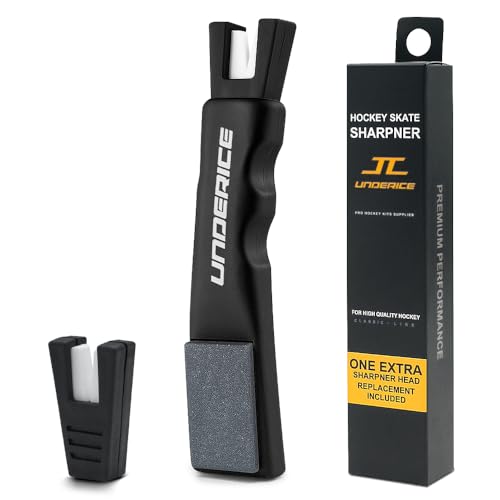
- Hockey-Specific Precision:Engineered to match the curve of hockey skate…
- Durable Ceramic Sharpening Stones:High-hardness ceramic material quickly…
- Ultra-Portable & Easy to Use:Lightweight (0.17 lbs) and 5.3 x 1.1 inches…
Check current price on Amazon →
For skaters looking to invest in durable blades from the start, our guide to the best figure skates with stainless steel blades is an excellent resource.
When a Simple Polish Isn’t Enough
If you have deep nicks or your blades feel consistently unstable, a home polish won’t suffice. This level of damage requires a professional sharpening. A qualified tech will grind the blade down past the deepest scratch, restoring the proper hollow and edges.
Persistent damage might also indicate your current skates aren’t the right fit for your skill level. Beginners often benefit from more supportive boots. Explore our comprehensive guide to the best beginner figure skates for stable, forgiving options.
If you’re considering an upgrade, read our in-depth reviews of popular models like the Jackson Ultima Classic Softskate 380 or the Lake Placid Cascade figure skates to make an informed choice.
Common Causes of Figure Skate Blade Damage
Understanding what causes blade scratches is key to preventing them. Damage rarely happens from skating alone. It usually results from specific, avoidable incidents or improper care.
By recognizing these common culprits, you can protect your investment and maintain peak performance. Let’s break down the primary reasons your blades get damaged.
1. Improper Storage and Transportation
This is the leading cause of unnecessary blade damage. Tossing skates into a bag without protection is a recipe for nicks.
- Hard Guards Left On: Never store skates with hard plastic guards on. They trap moisture, causing rust that etches the steel.
- No Blade Covers: Transporting skates without soft soakers or blade guards allows blades to knock together, creating chips.
- Loose in a Bag: Blades banging against other gear like water bottles or keys will quickly become dull and scratched.
2. On-Ice Hazards and Debris
The ice surface itself can be surprisingly hazardous. Public sessions pose the greatest risk.
You might encounter small rocks, sand, or deep ruts from other skaters. Hitting the boards or the metal kick-plate at the rink entrance can also cause immediate, severe damage. Always be vigilant during your first few laps to scan for debris.
| Hazard Type | Typical Damage | Prevention Tip |
|---|---|---|
| Sand/Grit on Ice | Multiple fine scratches along the blade length. | Skate on clean, well-maintained ice when possible. |
| Deep Ruts or Holes | Deep, singular nicks or rolled edges. | Keep knees bent for better shock absorption and control. |
| Metal Gates/Boards | Catastrophic chips or bends. | Practice controlled stops and maintain spatial awareness. |
3. Incorrect Sharpening Techniques
A bad sharpening job can be as damaging as a rock. Using the wrong equipment or an inexperienced technician is risky.
Overly aggressive grinding creates excessive heat, which can weaken the steel’s temper. Inconsistent pressure leads to an uneven hollow, making the blade feel unstable. Always seek a certified, reputable sharpening professional for this critical service.
Step-by-Step Guide to Restoring Scratched Blades
Once you’ve identified the scratches, you can take action. This guide covers methods from simple polishing to knowing when to seek a pro. Follow these steps to safely restore your blade’s smooth performance.
Always start with the least invasive method. You can escalate to more aggressive fixes only if necessary. Patience is key to avoiding further damage.
1. Assessing Scratch Severity
First, determine if you can fix the blade yourself or need professional help. Run your fingernail lightly across the scratch.
- Surface-Level Scratch: Your nail doesn’t catch. These are cosmetic and often polish out.
- Moderate Nick: Your nail catches slightly. A careful honing may fix it.
- Deep Gouge: Your nail drops into the scratch. This requires professional sharpening to grind past the damage.
2. The Honing and Polishing Process
For surface and moderate scratches, honing is your best DIY fix. You’ll need a fine-grit ceramic honing stone and light machine oil.
- Clean the Blade: Wipe the blade thoroughly with a dry cloth to remove any dirt or moisture.
- Apply Oil: Put a few drops of oil on the stone’s surface to lubricate the polishing action.
- Polish the Blade: Holding the stone flat, gently rub it along the blade’s sidewall (not the sharp edge) in one direction, following the blade’s curve. Use even, light pressure.
- Check Progress: Wipe the blade clean and check the scratch. Repeat 5-10 times if needed, but stop if the scratch remains deep.
3. When to Visit a Professional Sharpener
DIY methods have limits. Knowing when to stop is crucial to preserving your blade’s integrity and profile.
Seek a professional if you have multiple deep nicks, if the blade feels unstable after honing, or if you’re unsure. A pro will use a precision grinding wheel to uniformly restore the hollow and edge. This ensures both blades are perfectly matched for balanced skating.
For recommendations on skates known for durable blades, see our review of Jackson Ultima Classic ice skates, which feature resilient stainless steel.
Preventative Care to Keep Blades Scratch-Free
Proactive maintenance is far easier than repair. Implementing simple habits will drastically extend your blade’s life and performance. Consistent care protects your investment and ensures a better skating experience.
Focus on three key areas: storage, transportation, and on-ice awareness. Mastering these will minimize your risk of damage between sharpenings.
Essential Blade Protection Gear
The right accessories are non-negotiable for blade longevity. Every skater should own this basic kit.
- Soft Soakers (Terrycloth Guards): Use these immediately after skating to absorb moisture and prevent rust. They are for drying only, not walking.
- Hard Plastic Guards: Use these exclusively for walking to the rink and back. Remove them as soon as you step off the ice.
- Blade Covers or Sleeves: Use these for transport in your skate bag. They prevent blades from knocking together and protect the bag’s interior.
Optimal Storage and Handling Practices
How you store your skates at home is critical. A proper routine takes less than a minute.
- After skating, wipe blades dry with a soft cloth.
- Place soft soakers on the blades and let skates air dry away from direct heat.
- Once completely dry, remove soakers and store skates in a breathable bag or dedicated spot. Use blade sleeves if stored together.
Never leave skates in a car trunk. Extreme temperatures and condensation can warp boots and accelerate blade corrosion.
On-Ice Habits for Blade Longevity
Your behavior on the ice directly impacts blade wear. Develop mindful skating habits.
Be especially cautious during public sessions. Avoid skating over puddles, snow piles, or near the rink entrance where debris is common. When stepping on or off the ice, step onto a mat, not directly onto concrete. For recreational skaters, choosing the right supportive boot can also improve stability and reduce stumbles that cause damage. Explore our list of the best women’s recreational ice skates for durable, user-friendly options.
Choosing the Right Blades and Professional Services
Sometimes, prevention starts with your initial equipment choice. The quality of your blades and your sharpening professional makes a huge difference. Investing wisely can reduce long-term maintenance headaches and costs.
Not all blades are created equal. Understanding material and construction helps you make an informed purchase that matches your skating level and goals.
Blade Material and Quality Comparison
Blade material directly impacts durability, edge retention, and susceptibility to scratches. Here’s a breakdown of the most common types.
| Material | Durability & Scratch Resistance | Best For |
|---|---|---|
| Carbon Steel | Lower. Softer metal, requires more frequent sharpening, scratches more easily. | Beginner/Recreational skaters on a budget. |
| Stainless Steel | High. Excellent corrosion and scratch resistance, holds an edge longer. | Most intermediate to advanced skaters; ideal for frequent use. |
| High-Grade/Treated Steel | Very High. Specialized hardening processes offer superior longevity. | Competitive skaters and professionals. |
Finding a Qualified Skate Sharpening Technician
A good sharpening preserves your blade; a bad one ruins it. Don’t trust your expensive equipment to just anyone.
- Ask for Recommendations: Consult coaches, experienced skaters, or your local pro shop for trusted names.
- Check Their Equipment: A professional should use a precision, computer-assisted sharpening machine (like a Blademaster or Wissota) for consistency.
- Discuss Your Needs: A good tech will ask about your skating level, discipline, and desired hollow (e.g., 1/2″, 5/8″). They should provide a clear explanation of their process.
Starting with a quality skate simplifies everything. Read our detailed Rollerblade Ice Diva review for an example of a recreational skate built with durability in mind.
Advanced Maintenance: Rust Prevention and Edge Care
Beyond scratches, rust is a silent blade killer. It creates pitting that ruins the smooth surface needed for a clean glide. Combining moisture control with regular edge inspection forms a complete maintenance routine.
This advanced care is crucial for skaters in humid climates or those who skate less frequently. A few extra minutes of attention can save you from irreversible damage.
Combatting Rust and Corrosion
Rust forms when bare steel is exposed to moisture and oxygen. Your goal is to create a protective barrier.
- Immediate Drying: The moment you step off the ice, wipe blades with a dry, absorbent cloth.
- Use Soakers: Immediately place soft terrycloth soakers on the blades to wick away residual moisture as the skates travel home.
- Final Dry & Protect: Once home, remove soakers. Ensure blades are bone-dry. For long-term storage, apply a very light coat of blade oil or silicone spray to a cloth and wipe the steel.
Avoid petroleum-based products like WD-40, as they can degrade boot materials and attract dirt.
Regular Edge Inspection Routine
Develop a habit of checking your edges weekly. This helps you catch small issues before they affect your skating or become major damage.
- Visual Check: Hold the skate up to a light. Look down the length of the blade. It should appear straight, with a consistent, shiny hollow.
- Fingernail Test: Gently run your fingernail perpendicular across the edge (not along it). You should feel two distinct, sharp points (the inside and outside edges).
- Feel for Burrs: Run your finger lightly along the side of the blade. It should feel perfectly smooth. Any rough spots or catches indicate a burr that needs honing.
Consistent care pairs perfectly with quality equipment. For versatile skates designed for varied use, our guide to the best ice skates for indoor and outdoor use highlights models built for durability in different conditions.
Troubleshooting Common Blade Problems and Myths
Even with great care, issues can arise. Knowing how to troubleshoot saves time and money. This section debunks common myths and provides clear solutions for persistent problems.
Separating fact from fiction is key to proper blade maintenance. Let’s address the most frequent concerns skaters face.
Debunking Common Skate Blade Myths
Misinformation can lead to poor practices that damage your equipment. Here are the truths behind three pervasive myths.
- Myth: “Walking on rubber mats dulls blades.”
Truth: Walking on clean, smooth rubber mats is safe. It’s concrete, asphalt, and dirt that cause instant dulling and nicks. Always use hard guards off-ice. - Myth: “You should sharpen blades after every use.”
Truth: Over-sharpening shortens blade life. Sharpen based on feel (slipping edges, poor grip) or hours of use (every 20-40 hours for most), not a set schedule. - Myth: “A deeper hollow is better for everyone.”
Truth: A deeper hollow (e.g., 3/8″) gives more grip but less glide. A shallower hollow (e.g., 5/8″) offers more speed and is often better for beginners and powerful skaters.
Solving Persistent Performance Issues
Sometimes the problem isn’t a visible scratch. If your skates feel “off,” use this diagnostic checklist.
- Problem: Feels “Slippery” or Won’t Hold an Edge.
Solution: Blades are likely dull and need professional sharpening. This is the most common cause. - Problem: Feels “Catchy” or “Grabby” on the Ice.
Solution: You may have a burr or a nick. Perform the fingernail test and hone if necessary, or visit your sharpener. - Problem: One Skate Feels Different Than the Other.
Solution: The blades may have been sharpened unevenly. A professional can check the radius of hollow (ROH) on both and re-sharpen them to match perfectly.
For young skaters who are outgrowing equipment quickly, choosing durable, adjustable skates can be a smart move. Our Lake Placid Summit youth skates review covers a popular option designed for growing feet.
Essential Tools for a Complete Blade Care Kit
Being prepared makes maintenance simple and effective. A well-stocked kit empowers you to handle most minor issues at home. This saves money on professional services and keeps your blades in top condition between sharpenings.
You don’t need expensive, specialized tools. A few key items will cover 95% of your blade care needs. Let’s build your ultimate maintenance toolkit.
Must-Have Tools for Every Skater
These are the non-negotiable basics. Every skater, from beginner to pro, should have these items.
- Soft Terrycloth Soakers: For immediate post-skate drying. Have multiple pairs to ensure you always have a dry set.
- Hard Plastic Guards: For walking to and from the ice surface only. Never use them for storage.
- Fine-Grit Honing Stone: A ceramic or Arkansas stone for removing burrs and polishing out light scratches.
- Microfiber Cloths: Dedicated, lint-free cloths for wiping down blades and applying protectants.
- Blade Covers/Sleeves: Neoprene or cloth sleeves to protect blades during transport in your bag.
Optional Specialized Equipment
For the dedicated skater or parent managing multiple pairs, these tools offer next-level convenience and precision.
| Tool | Purpose | Benefit |
|---|---|---|
| Blade Profiler Gauge | Measures the Radius of Hollow (ROH). | Verifies your sharpener’s work and ensures consistency. |
| Diamond Honing Stick | Ultra-fine edge touch-up. | Extends time between full sharpenings with minimal metal removal. |
| Portable Blade Dryer | Forces warm air into the blade hollow. | Guarantees blades are bone-dry, eliminating rust risk in humid climates. |
Investing in quality skates from the start reduces how often you need these corrective tools. For women seeking a balance of comfort and durability, our guide to the best ice skates for women highlights top-performing models.
Best Tools for Figure Skate Blade Restoration and Care
Having the right tools makes blade maintenance safe, easy, and effective. These three highly-rated products address the core needs of polishing, protecting, and transporting your blades. Each serves a distinct purpose in a complete care routine.
UICE Skate Sharpener – Best for DIY Polishing
This dual-grit ceramic stone is the ideal tool for removing burrs and polishing out light surface scratches. Its fine and ultra-fine sides allow for progressive smoothing without altering your blade’s hollow. It’s safe for all stainless steel blades and extends time between professional sharpenings.
- Hockey-Specific Precision:Engineered to match the curve of hockey skate…
- Durable Ceramic Sharpening Stones:High-hardness ceramic material quickly…
- Ultra-Portable & Easy to Use:Lightweight (0.17 lbs) and 5.3 x 1.1 inches…
Elite Hockey Pro-Blader Soakers – Best for Drying & Protection
Made of super-absorbent terrycloth, these soakers wick moisture away instantly after skating. The elasticized top and reinforced toe cap ensure a secure fit. They are essential for preventing rust and come in various colors for easy identification. A must-have for every skater’s bag.
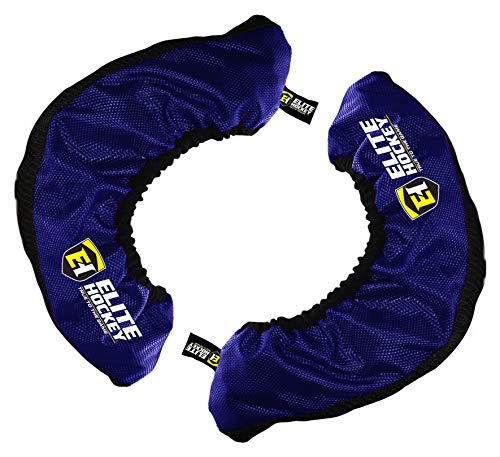
- Specially designed to easily slip over the sharp edges of your skate…
- Inner and outer polypropylene web bands on the bottom prevent skate blades…
- Protects your skate blades from nicking and cutting your hockey equipment…
CRS Cross Thermal Ice Skate Boot Covers – Best for Safe Transport
These durable neoprene sleeves protect your blades from nicks and scratches inside your skate bag. They prevent metal-on-metal contact with other skates or gear. The stretchy material fits most figure skate blades snugly, and they are easy to clean. Perfect for keeping blades pristine on the go.

- Warmer feet makes for happier skaters and extends your time on the ice. The…
- CRS Cross utilizes cutting-edge neoprene lined with insulated fleece which…
- Unlike other skating boot covers, CRS Cross Thermal Boot Covers have an…
Conclusion: Maintaining Pristine Figure Skate Blades
Scratched figure skate blades are a fixable problem. You now have a complete guide to diagnose, restore, and prevent damage. Consistent, simple care protects your investment and performance.
Remember, immediate drying and proper storage are your most powerful tools. Combine these habits with regular honing and timely professional sharpening.
Inspect your blades this week and apply the steps that fit your needs. Share this guide with a fellow skater to help them protect their edges too.
With this knowledge, you can skate with confidence on smooth, reliable blades every session.
Frequently Asked Questions about Figure Skate Blade Scratches
What is the best way to remove light scratches from skate blades?
Use a fine-grit ceramic honing stone with light machine oil. Gently rub the stone along the blade’s sidewall, following its curve. Apply even, minimal pressure and wipe clean to check progress.
This polishing method smooths surface imperfections without altering the blade’s critical hollow. It is only effective for superficial scuffs, not deep nicks that catch your fingernail.
How often should I get my figure skates sharpened?
Sharpen based on feel and use, not a fixed schedule. Most recreational skaters need sharpening every 20-40 hours of ice time. Look for signs like slipping on edges or a lack of grip.
Over-sharpening wastes blade life. A professional can assess if a simple honing will suffice or if a full sharpening is required to restore the proper radius.
Can I fix a deep gouge in my skate blade myself?
No, a deep gouge requires professional sharpening. DIY honing cannot remove enough metal to eliminate a significant nick. Attempting to do so can create an uneven blade surface.
A technician will use a grinding wheel to uniformly remove steel past the depth of the gouge. This restores a consistent hollow and ensures both blades are perfectly matched.
Why do my new skate blades rust so quickly?
Rust forms from moisture left on untreated steel. The most common cause is storing skates with wet hard guards on or putting them away in a damp bag without drying.
Always wipe blades dry immediately after use and employ soft soakers. For long-term storage in humid climates, a very light coat of blade oil provides a protective barrier.
What is the difference between a honing stone and a sharpening?
Honing is light maintenance; sharpening is major restoration. A honing stone polishes the blade’s surface and removes tiny burrs. It does not change the blade’s profile or hollow.
Professional sharpening uses a grinding wheel to cut a new hollow and edges into the blade, removing significant metal. Honing extends the time between necessary sharpenings.
Are stainless steel blades worth the extra cost?
Yes, for most skaters. Stainless steel offers superior resistance to rust and scratches compared to carbon steel. It holds an edge longer, reducing sharpening frequency and long-term cost.
The initial investment pays off in durability and consistent performance. They are highly recommended for intermediate skaters and anyone skating regularly.
What should I do if one blade feels different than the other?
This usually indicates uneven sharpening or differing levels of wear. First, check for visible damage or burrs on the problematic blade. If none are found, the radius of hollow (ROH) may be mismatched.
A professional sharpener can measure both blades and re-sharpen them to an identical profile. Never attempt to correct this imbalance yourself.
Is it bad to walk on concrete with hard guards on?
Hard guards are specifically designed for walking on concrete and asphalt. They protect the sharp edges from being dulled or chipped by abrasive surfaces.
The critical mistake is forgetting to remove them before stepping onto the ice or storing skates with them on, which traps destructive moisture against the steel.