Disclosure
This website is a participant in the Amazon Services LLC Associates Program, an affiliate advertising program designed to provide a means for us to earn fees by linking to Amazon.com and affiliated sites.
Your figure skate boots are turning yellow primarily due to oxidation and UV exposure. This common issue affects both white and colored leather, diminishing their pristine appearance.
This discoloration is frustrating but often reversible. Our complete guide provides expert tips to restore your skates’ original beauty and protect your investment.
The Science Behind Yellowing Skate Boots
Yellowing is not a sign of poor quality. It’s a natural chemical reaction. The leather and adhesives in your boots oxidize when exposed to air and light.
UV rays accelerate this process dramatically. Think of it like sun-bleached hair or a yellowed plastic phone case. Moisture and skin oils can also contribute to the discoloration over time.
A Proven Cleaning Solution to Restore Whiteness
For mild to moderate yellowing, a specialized leather cleaner is your best first step. These products are formulated to lift surface stains without damaging the boot’s integrity.
We recommend the Angelus Easy Cleaner. It’s a trusted brand in athletic gear care.
- Gentle yet effective on finished leather.
- Helps remove dirt, oils, and oxidation.
- Prepares the surface for protectants.
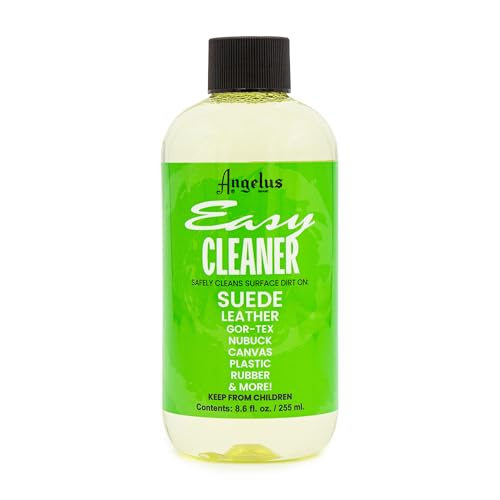
- All-Purpose Cleaner – Effectively cleans dirt, grime, and stains from a…
- Safe and Gentle Formula – Designed to be tough on stains yet gentle on…
- Versatile Use – Perfect for cleaning sneakers, boots, bags, furniture,…
Check current price on Amazon →
After cleaning, applying a UV-protectant spray is crucial. This creates a barrier against the primary cause of yellowing. For a deeper dive into skate maintenance, see our guide on the best ice skates for all conditions.
When Cleaning Isn’t Enough: Considering Replacement
If the yellowing is severe or the boots have lost structural support, restoration may not be cost-effective. Deep oxidation can penetrate the leather, making a full return to white impossible.
This is often a sign it’s time for an upgrade. Investing in new, high-quality boots ensures proper ankle support and performance. Explore top-rated options like the Jackson Ultima Classic Softskate 380 or the versatile Riedell Soar ice skates for your next pair.
How to Clean Yellowed Figure Skates: A Step-by-Step Guide
Restoring your skates requires the right materials and technique. This process safely removes surface oxidation without harming the leather. Follow these steps for the best results.
Gathering Your Skate Cleaning Supplies
You will need a few specific items. Using the correct tools prevents accidental damage during the cleaning process. Avoid harsh household chemicals at all costs.
- Specialized Leather Cleaner: Like Angelus Easy Cleaner or a mild saddle soap.
- Soft-Bristled Brush & Microfiber Cloths: For gentle agitation and drying.
- Cotton Swabs & Soft Toothbrush: For intricate stitching and hard-to-reach areas.
- Leather Conditioner & UV Protectant Spray: Essential for post-cleaning care.
The Safe Cleaning Process for Discolored Boots
Work in a well-ventilated area and take your time. Rushing can lead to oversaturation or uneven cleaning.
- Dry Brush: Remove all loose dirt and dust from the boot’s surface and stitching.
- Apply Cleaner: Dampen a cloth with cleaner and gently wipe in small circles. Do not pour liquid directly onto the leather.
- Target Stitching: Use a cotton swab or soft toothbrush to clean along the thread lines where grime collects.
- Wipe & Dry: Use a clean, damp microfiber cloth to remove any cleaner residue. Let the boots air dry completely away from direct heat or sunlight.
Post-Cleaning Protection to Prevent Future Yellowing
Cleaning addresses past damage, but protection prevents it. This final step is non-negotiable for maintaining white boots.
Once fully dry, apply a thin layer of leather conditioner. This replenishes oils. After it absorbs, spray a generous coat of a UV protectant spray over the entire boot.
This dual-action approach nourishes the leather and creates a sunscreen-like barrier. It is the most effective method for keeping white figure skates white long-term.
Preventing Yellowing: Best Practices for Skate Care
Proactive care is simpler than restoration. Implementing these habits drastically slows the oxidation process. Your skates will stay brighter and last longer.
Proper Storage Solutions for White Skates
Where you keep your skates between uses is critical. Never leave them in a car or by a sunny window. These locations create a perfect storm of heat and UV damage.
- Use a Breathable Skate Bag: Allows moisture to escape but keeps light out.
- Store in a Cool, Dark Closet: Ideal for long-term preservation of boot color.
- Insert Boot Trees or Newspaper: Maintains shape and absorbs internal moisture after use.
The Role of UV Protection Sprays and Covers
Think of these as sunscreen for your skates. A quality UV protectant spray forms a clear, protective shield. Reapply it every few months or as directed.
For added defense, consider lightweight skate covers or even a simple cloth bag. These provide a physical barrier against light during transport or storage at the rink. This is one of the easiest ways to prevent skate yellowing.
Managing Moisture and Sweat After Skating
Perspiration and ice melt are your boots’ enemies. Letting moisture sit accelerates deterioration and discoloration from the inside.
- After skating, wipe down boots with a dry cloth immediately.
- Remove the liners if possible to let everything air dry.
- Never use direct heat like a hairdryer; always air dry at room temperature.
- Use moisture-absorbing products like cedar shoe trees or silica gel packs inside the dried boots.
Advanced Restoration Techniques for Severe Discoloration
When standard cleaning fails, more advanced methods may help. These techniques require more caution but can salvage deeply yellowed boots. Assess your comfort level before proceeding.
Using Specialized Whitening Products Safely
Products like leather whitening compounds or very dilute white vinegar solutions can lift stains. They work by gently bleaching the oxidized surface layer. Extreme care is mandatory.
- Always Patch Test: Apply to a hidden area like the tongue back and wait 24 hours.
- Follow Instructions Precisely: Never leave a product on longer than directed.
- Neutralize and Condition: After using any whitening agent, clean the area with water and apply conditioner to prevent drying.
Professional Refinishing vs. DIY Repainting
For a guaranteed, uniform result, professional refinishing is the gold standard. A skate technician can strip and repaint the boot with specialized, flexible paints. This is costly but effective.
A DIY repaint with Angelus Leather Paint is a more affordable alternative. It requires meticulous preparation, including deglazing and priming. The finish may not be as durable as a professional job.
| Method | Best For | Considerations |
|---|---|---|
| Professional Refinishing | Severe yellowing, valuable skates, flawless finish | Higher cost, requires sending boots away, longest-lasting result |
| DIY Repaint | Moderate yellowing, budget-conscious, crafty skaters | Time-intensive, risk of uneven application or cracking, requires specific materials |
Knowing When to Stop: Signs of Irreversible Damage
Not all yellowing can be fixed. If the leather is cracked, stiff, or the boot has broken down, restoration is pointless. The material’s integrity is compromised.
Deep, set-in stains that penetrate the leather may also be permanent. If multiple restoration attempts fail, further effort may damage the boot. This is a clear sign to explore replacing your figure skates for safety and performance.
Choosing New Skates: Materials and Features to Resist Yellowing
If replacement is the best option, your next pair can be more resilient. Modern materials and informed choices can delay future discoloration. Focus on construction and protective features.
Leather Types and Synthetic Alternatives
The boot’s upper material is the primary factor. Traditional full-grain leather is durable but can oxidize. Look for skates that use top-grain or specially coated leathers.
- High-Quality Coated Leather: Often has a polymer finish that slows oxidation and is easier to clean.
- Synthetic Leather (PU): A popular alternative that is highly stain-resistant and less prone to yellowing from UV exposure.
- Reinforced Thermoplastics: Used in many modern boots for structure; these materials are very color-stable.
Factory Finishes and Protective Coatings
Many manufacturers now apply a clear protective topcoat during production. This acts as a built-in barrier against moisture and UV rays. Ask your fitter or check product descriptions for this feature.
Some brands use proprietary treatments on the leather. These can include **UV inhibitors and stain guards**. This pre-treatment is a significant advantage for maintaining the boot’s original color with minimal extra effort from you.
Maintenance-Friendly Design Elements
Certain design choices make ongoing care easier. A smooth finish collects less dirt than a heavily textured one. Minimalistic styling with fewer seams and decorative elements simplifies cleaning.
Consider these features for long-term aesthetics:
- Smooth, Non-Porous Surfaces: Easier to wipe down and apply protectant to evenly.
- Removable Liners: Allow for thorough drying, preventing internal moisture damage.
- Classic Design: Timeless styles won’t show age as quickly as trendy details might.
Starting with a well-made boot designed for durability is the ultimate prevention strategy. It sets a strong foundation for all your future care routines.
Common Myths and Mistakes in Skate Boot Care
Well-intentioned but incorrect advice can ruin your skates faster than neglect. Debunking these myths protects your investment. Avoid shortcuts that promise quick fixes.
Household Cleaners to Absolutely Avoid
Never use bleach, magic erasers, or all-purpose cleaners. These are too aggressive for delicate skate leather and finishes. They strip essential oils and accelerate deterioration.
- Bleach & Ammonia: Weaken leather fibers, cause cracking, and can create irreversible discoloration.
- Melamine Sponges (Magic Eraser): Are micro-abrasives; they physically sand off the boot’s topcoat.
- Vinegar & Lemon Juice (Undiluted): Their high acidity can dry out and damage the leather over time.
The Truth About Baking Soda and Home Remedies
Online tutorials often suggest pastes made from baking soda or toothpaste. These are mild abrasives that can temporarily lighten surface stains. However, they are not a true solution.
They do not address the chemical oxidation causing the yellowing. Repeated use will dull the boot’s finish. This makes the leather more porous and prone to future, deeper staining.
Why “Breaking In” Doesn’t Cause Yellowing
A common misconception is that the breaking-in process discolors boots. The flexing and molding of leather does not cause yellowing. The associated factors do.
Yellowing during break-in is typically due to:
- Handling Oils: From your hands transferring to the boot as you work on it.
- Lack of Initial Protection: Failing to apply a UV guard on new skates before use.
- Storage During Break-in: Leaving damp, sweaty boots in a dark bag instead of airing them out properly.
Understanding these pitfalls helps you adopt a safe, effective care routine from day one.
Long-Term Maintenance Schedule for Pristine Skates
Consistency is the key to preserving your skate’s appearance and structure. A simple, recurring schedule prevents problems before they start. Treat boot care as part of your regular skating routine.
Daily and Weekly Care Routines
These quick tasks should become second nature. They address immediate threats like moisture and dirt before they set in.
- After Every Use: Wipe down boots with a dry cloth. Loosen laces and pull the tongue forward to air out.
- Weekly Check: Inspect for new scuffs or stains. Spot-clean with a damp cloth and mild soap if needed. Ensure boots are completely dry before storing.
- Monthly: Apply a light coat of leather conditioner to keep the material supple, focusing on high-flex areas.
Seasonal Deep Cleaning and Inspection
At the start and end of your primary skating season, perform a thorough maintenance session. This is the time for the full step-by-step cleaning process outlined earlier.
Also conduct a structural integrity check. Look for:
– Excessive softening or wrinkling in the ankle.
– Separation of the sole from the boot.
– Deep, permanent creases that could lead to cracking.
This helps you decide between continued care or planning for replacement.
When to Seek Professional Skate Service
Some maintenance tasks are best left to experts. A professional can assess issues you might miss and perform complex repairs.
Consider professional service for:
- Major Refinishing: For a flawless, factory-like repaint of severely yellowed boots.
- Sole Replacement & Re-Steeling: These technical jobs ensure proper alignment and balance.
- Permanent Stitch Repair: Fixing torn stitching or reinforcing stress points to extend boot life.
Adhering to this schedule transforms reactive panic into proactive pride in your equipment’s condition.
Special Considerations for Different Types of Skates
Not all skates yellow the same way. Material, usage, and boot construction affect the process. Tailoring your care approach yields the best results.
Recreational vs. Professional-Grade Boots
Recreational skates often use more synthetic materials. These are less prone to oxidation but can still discolor from dirt and UV exposure. Cleaning is usually straightforward.
Professional boots use premium, untreated leather for superior molding and support. This leather is more vulnerable to yellowing. It demands rigorous protection from day one, including immediate application of UV spray.
Caring for Colored and Patterned Skate Boots
Yellowing on colored boots appears as a dull, faded film over the original hue. The oxidation layer mutes vibrancy. The cleaning goal is to restore shine, not change color.
- Use Color-Safe Cleaners: Avoid any product with bleaching agents.
- Test on Interior: Always check for colorfastness on the inside ankle.
- Focus on UV Protection: This is equally critical to prevent dye fading and surface dullness.
Managing Vintage or Second-Hand Skate Discoloration
Restoring old skates is often about managing expectations. Deep-set yellowing may be part of their character. Prioritize structural integrity over perfect aesthetics.
For vintage restoration:
- Clean Gently: Use a mild leather soap to remove decades of grime without harsh scrubbing.
- Condition Thoroughly: Old leather is often dry; multiple conditioning sessions may be needed.
- Embrace Patina: Some uniform yellowing can be considered a desirable patina that adds to the skate’s history.
Understanding these nuances ensures your care efforts are effective and appropriate for your specific skates.
Best Products for Skate Boot Care and Restoration
Using the right specialized products makes maintenance effective and safe. These top-rated items are trusted by skaters for cleaning, protecting, and restoring boot appearance. Investing in quality care extends the life of your skates.
Angelus Easy Cleaner – Best Overall Cleaner
This gentle yet effective cleaner is formulated for finished leather. It safely lifts dirt, skin oils, and surface oxidation without damaging the boot’s material or stitching. Its non-abrasive formula makes it ideal for regular use and prepping boots for protectants.
- All-Purpose Cleaner – Effectively cleans dirt, grime, and stains from a…
- Safe and Gentle Formula – Designed to be tough on stains yet gentle on…
- Versatile Use – Perfect for cleaning sneakers, boots, bags, furniture,…
Kiwi Select Suede & Nubuck Protector Spray – Best UV Shield
This spray creates an invisible, water-repellent barrier that blocks UV rays, the primary cause of yellowing. It helps prevent stains from water and dirt. Easy to apply and fast-drying, it’s a crucial preventative measure for any light-colored skate boot.
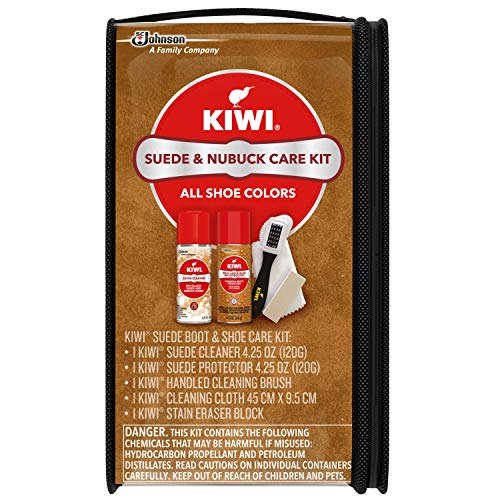
- Complete care for your suede and nubuck goods
- Deep cleans and conditions
- Removes tough stains, shiny marks, and water spots
Angelus Acrylic Leather Paint – Best for DIY Refinishing
For severe, irreversible yellowing, this flexible acrylic paint allows for a complete color refresh. Requires proper surface preparation (deglazing, priming) but offers a durable, professional-looking finish in classic white or any color. The best option for a bold cosmetic restoration.

- WIDE APPLICATION: Our Angelus Black Acrylic leather paint is perfect for…
- QUICK DRYING AND FLEXIBLE: Our black leather paint is quick to dry,…
- WATER-BASED FORMULA: Angelus Black Acrylic leather paint has water-based…
Conclusion: Maintaining Pristine White Figure Skates
Yellowing skate boots are a common but manageable issue. You now understand the causes, from UV oxidation to moisture. More importantly, you have a complete toolkit for restoration and prevention.
The key takeaway is proactive, consistent care. Regular cleaning paired with UV protection is your most powerful strategy. This routine preserves both the beauty and the structural integrity of your investment.
Start by assessing your current skates and implementing the appropriate cleaning schedule. Choose the right products for your boot type and usage level. Your efforts will keep your skates looking competition-ready for seasons to come.
With the right knowledge, you can confidently maintain the flawless appearance of your figure skates.
Frequently Asked Questions About Yellowing Skate Boots
Can yellowed white figure skates be restored to white?
Yes, mildly to moderately yellowed skates can often be restored. The success depends on the depth of the oxidation. Surface-level discoloration responds well to specialized leather cleaners and UV protectant sprays.
For severe yellowing, more advanced methods like professional refinishing or careful DIY repainting may be necessary. Always test any cleaning product on a small, hidden area first to ensure it doesn’t damage the finish.
What is the fastest way to clean yellowed ice skates?
The fastest effective method is using a dedicated leather cleaner like Angelus Easy Cleaner. Apply it with a soft cloth using gentle, circular motions. This lifts surface grime and oxidation without harsh scrubbing.
Remember, “fast” should not mean “harsh.” Avoid bleach or magic erasers. After cleaning, a quick application of a UV spray helps prevent immediate re-yellowing and is a crucial step in the process.
Does sunlight directly cause skate boots to turn yellow?
Yes, ultraviolet (UV) radiation from sunlight is a primary catalyst for yellowing. It accelerates the oxidation process in the leather’s materials and adhesives. This is similar to how plastic turns yellow when left in a sunny window.
This is why storing skates in a dark, cool place and using a UV protectant spray are the most effective preventative measures. Direct sunlight is your white skates’ biggest enemy.
How do I prevent my new white skates from turning yellow?
Protect new skates before their first use. Apply a quality UV protectant spray as a base barrier. Consistently store them in a breathable bag away from direct sunlight and heat sources, like car trunks.
Implement a simple post-skating routine: wipe down boots to remove moisture and ice melt, and allow them to air dry completely. This proactive care from day one significantly delays discoloration.
Are synthetic skate boots less likely to yellow than leather?
Generally, yes. High-quality synthetic materials like PU leather are more resistant to UV oxidation than untreated natural leather. They are less porous and often have color-stable manufacturing.
However, no white material is completely immune. Synthetic boots can still discolor from dirt, dye transfer, and prolonged, intense UV exposure. They still benefit from regular cleaning and protective sprays.
What household items should I avoid using on my skates?
Avoid bleach, ammonia, all-purpose cleaners, and undiluted vinegar. These are too acidic or harsh and will damage the leather’s finish. Also avoid melamine sponges (e.g., Magic Eraser), as they are micro-abrasives.
These products strip away protective coatings and dry out the leather. This makes boots more vulnerable to deeper staining and cracking, ultimately worsening yellowing problems over time.
Is it worth repainting yellowed figure skates myself?
DIY repainting can be worthwhile for structurally sound boots with severe cosmetic issues. It requires specific products like Angelus Leather Paint and meticulous preparation, including deglazing and priming.
The result may not match a professional refinish in durability or finish. It is a cost-effective last resort for skaters comfortable with detailed craft work who want to extend their boots’ aesthetic life.
When should I stop trying to clean and just replace my skates?
Replace skates when yellowing is accompanied by loss of structural support. Signs include excessive ankle softening, deep permanent creases, or sole separation. If the leather is cracked or the boot no longer provides stability, cleaning is irrelevant.
Prioritize safety and performance over aesthetics. Deep, set-in stains that won’t lift after proper cleaning attempts also indicate that replacement may be the more practical choice.