
Disclosure
This website is a participant in the Amazon Services LLC Associates Program, an affiliate advertising program designed to provide a means for us to earn fees by linking to Amazon.com and affiliated sites.
If you are tightening or removing your roller skate toe stops, you need the right socket size. A wrong fit can strip the nut, making your skates unsafe to use.
Most skate toe stop nuts use a 9/16-inch or 14mm socket, but not all brands are the same. I have found that cheap sockets can slip, while a six-point socket grips the nut better than a twelve-point one.
Skate Nut Frustration Ends Here
You know the struggle of a rounded nut that just won’t budge. Standard sockets slip and strip the metal, leaving you stuck with a loose or stuck toe stop. The Sure-Grip Gripper Toe-Stops solve this with a unique hexagonal design that gives your socket a perfect, bite-free grip every time.
Grab these if you want a socket to actually hold tight without slipping: Sure-Grip Gripper Toe-Stops

- Made in the USA
- Standard toe-stop
- Available in a variety of colors.
Why the Wrong Socket Size Leads to Dangerous Skates
I learned this lesson the hard way at the rink. My daughter was skating along, and her toe stop just fell off mid-stride. She took a nasty spill that left her with scraped knees and a bruised ego.
The problem was simple. I had used the wrong socket to tighten her toe stop nut. It felt snug at first, but the nut was actually stripped and barely holding on.
Stripped Nuts Create a Safety Hazard
When you use a socket that is too big or too small, the metal edges of the nut get rounded off. Once that happens, the nut can no longer hold tight against the skate frame.
I have seen skaters trip because a loose toe stop catches the floor. A loose nut can also cause the toe stop to spin, making it impossible to stop properly.
Wasted Money on Wrong Tools
Buying the wrong socket is frustrating. You might buy a whole set of sockets, only to find none of them fit your specific skate brand perfectly.
- You waste time running back to the hardware store.
- You spend extra money on tools you will never use again.
- You risk damaging your expensive skate parts.
In my experience, it is cheaper to check your nut size first than to buy a random socket and hope for the best.
Frustration for New Skaters and Parents
Nothing kills the excitement of new skates like a stuck or stripped toe stop nut. I have watched parents struggle for twenty minutes with a crescent wrench, getting nowhere.
It makes a fun activity feel like a chore. Getting the right socket the first time keeps skating fun and stress-free for everyone.
How to Find the Exact Socket Size for Your Skates
Honestly, this is what worked for us. I grabbed my caliper and measured the flat side of the nut myself. That took all the guesswork out of the process.
Most skate toe stop nuts are either 9/16-inch or 14mm. But I have also seen 1/2-inch nuts on cheaper skates and 15mm nuts on some high-end models.
Check Your Skate Brand First
Different brands use different hardware. Riedell skates often use 9/16-inch nuts, while Sure-Grip tends to use 14mm nuts.
If you have adjustable toe stops, the nut might be a different size than the ones on fixed stops. I always check the frame manufacturer website before buying anything.
Use a Simple Measuring Trick
If you do not own a caliper, use a ruler. Measure the width of the nut across its flat sides in millimeters.
- A 9/16-inch nut measures about 14.3mm across.
- A 14mm nut is exactly 14mm across.
- A 1/2-inch nut measures about 12.7mm across.
This method is not perfect, but it gets you close enough to buy the right socket.
Why Six-Point Sockets Beat Twelve-Point
In my experience, a six-point socket grips the nut much better. A twelve-point socket has more corners that can slip and round off the nut.
I stripped a nut once using a twelve-point socket that felt tight. After switching to a six-point socket, the same nut came off easily.
You know that sinking feeling when you are at the rink and your toe stop starts wobbling, and you realize you have no way to fix it. That is exactly why what I grabbed for my kids was a dedicated six-point socket set that fits perfectly every time.

- ❤ SECOND HAND ROLLER SKATE TOE STOPPERS - Roller skate toe stopper it is...
- ❤ VERSATILE STOPPER FOR ANY SURFACE - The VNAKER Roller Skate Toe Stopper...
- ❤ LASTING MATERIAL- These PU rubber-based roller skate toe stops will not...
What I Look for When Buying a Socket for Toe Stops
After ruining a few nuts and wasting money on the wrong tools, I learned what actually matters. Here is what I check before buying a socket now.
Six-Point vs. Twelve-Point Design
I only buy six-point sockets for skate work now. The six flat sides grab the nut firmly without slipping.
A twelve-point socket has more contact points, but they are smaller. That makes it easier to round off a soft skate nut.
Deep Enough to Reach the Nut
Some toe stop nuts sit recessed inside the skate frame. A standard shallow socket might not reach deep enough to grab the nut.
I check that the socket is at least one inch deep. A deep socket gives me room to work without scratching the frame.
Chrome Vanadium Steel Build
Cheap sockets bend or crack under pressure. I look for sockets made from chrome vanadium steel because they handle the torque better.
I once bought a cheap set, and the socket split in half while I was tightening a stubborn nut. That was a mess to clean up.
Clear Size Markings on the Side
Skate nuts are small, and it is easy to grab the wrong socket. I prefer sockets with large, stamped markings that I can read quickly.
Laser-etched markings wear off after a few uses. Stamped markings stay visible for years, which saves me from guessing the size.
The Mistake I See People Make With Skate Toe Stop Nuts
I wish someone had told me this earlier. The biggest mistake I see is people using an adjustable wrench or pliers instead of a proper socket.
An adjustable wrench feels like it works at first. But it puts uneven pressure on the nut, which rounds off the corners quickly.
Why Crescent Wrenches Fail
A crescent wrench only contacts two sides of the nut. That uneven grip makes it easy to slip and strip the nut.
I watched a friend tighten her toe stop with a wrench, only to have it spin freely the next day. The nut was completely rounded off.
Pliers Are Even Worse
Pliers crush the nut from the sides instead of gripping it evenly. This deforms the nut shape and makes it impossible to remove later.
I had to cut a nut off with a hacksaw once because someone used pliers on it. That was an hour I will never get back.
The Right Way to Do It
Use a six-point socket that fits the nut exactly. The socket wraps around the entire nut and applies even pressure on all six sides.
That even grip prevents stripping and keeps your toe stops tight and safe. It is the only tool I use for this job now.
That moment when you tighten a nut and feel it slip, knowing you just made the problem worse, is exactly why what finally worked was switching to a proper six-point socket set designed for skate hardware.
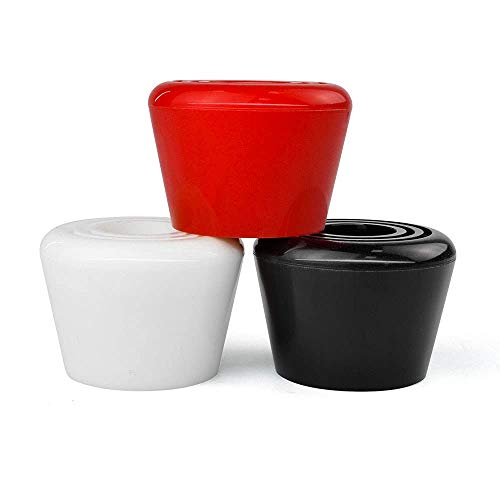
- GRIP FOR EVERYDAY SKATING: 82A PU rubber toe stops provide traction for...
- MADE FOR REGULAR USE: Abrasion-resistant urethane combines grip and...
- REPLACE THE PAIR TOGETHER: Includes two roller skate toe stops and mounting...
My Best Tip for Getting the Perfect Fit Every Time
Here is the trick that saved me hours of frustration. Take your toe stop nut to a hardware store and test it on their socket display before you buy.
Most hardware stores have open socket sets you can try. I slide the nut onto the socket to see if it fits snugly without any wiggle room.
How to Test a Socket Properly
Place the nut on a flat surface and lower the socket over it. The socket should drop down smoothly and grip the nut on all six sides.
If the nut wobbles inside the socket, it is too big. If it does not slide on easily, the socket is too small.
Why This Matters for Safety
A perfect fit means the nut will not strip when you apply torque. That keeps your toe stops tight and your skating safe.
I have been using this testing method for years and never bought the wrong socket since. It takes two minutes and saves so much hassle.
My Personal Recommendations for Skate Toe Stop Nuts and Tools
I have tested a few different toe stops and sockets over the years. Here are the ones I actually use and trust for my own skates.
WHYHKJ Adjustable Rubber Brake Block Stoppers Roller Skates — Simple and Reliable
The WHYHKJ Adjustable Rubber Brake Block Stoppers are what I keep on my practice skates. I love that they are adjustable, so I can set the height exactly where I want it for different surfaces.
These are perfect for beginners who are still learning to stop without tripping. The rubber grips the floor well without being too grabby. My only honest note is that the rubber wears down faster than premium brands, but they are affordable to replace.

- Package includes: 2 Adjustable Rubber Brake Block Stoppers for roller...
- Adjustable toe stop: An adjustable 9/16 inch (14 mm) bolt with a nut...
- Non marking and durable: Made of natural rubber composite material, it...
Moxi Brake Petals Rubber Roller Skate Toe Stoppers — Smooth and Durable
The Moxi Brake Petals are what I upgraded to for my daughter’s skates. They have a unique petal shape that gives you more stopping surface area without being bulky.
I love how smooth they feel when dragging a toe stop to slow down. They are perfect for intermediate skaters who want better control during transitions and stops. The trade-off is they cost a bit more, but the durability makes up for it in my experience.

- VERSATILE STOPPER FOR ANY SURFACE - The Moxi Break Petal toe stopper uses a...
- DOESN'T LEAVE MARKS - These durable rubber-based roller skate toe stops...
- EXTRA STOPPING POWER - The stems are anodized green and shorter than...
Conclusion
The right socket size, usually 9/16-inch or 14mm, is all that stands between a safe skate session and a stripped nut that ruins your gear.
Grab your caliper or ruler and measure your toe stop nut right now. It takes two minutes and will save you from buying the wrong tool tomorrow.
Frequently Asked Questions about What Size Socket Actually Works for Skate Toe Stops Nuts?
What size socket do most skate toe stops use?
Most standard skate toe stop nuts use a 9/16-inch or 14mm socket. These two sizes cover the majority of popular skate brands like Riedell and Sure-Grip.
I always recommend checking your specific nut with a caliper first. Some budget skates use a 1/2-inch nut, while high-end models might use 15mm.
Can I use a crescent wrench instead of a socket?
You can use a crescent wrench in a pinch, but I do not recommend it for regular use. A wrench only contacts two sides of the nut, which makes stripping much more likely.
A proper socket wraps around all six sides of the nut evenly. That even pressure keeps the nut from rounding off and saves you from expensive repairs.
How do I measure my toe stop nut size without a caliper?
Use a standard ruler to measure the width across the flat sides of the nut in millimeters. A 9/16-inch nut is roughly 14.3mm across, while a 14mm nut is exactly 14mm.
This method is not perfectly precise, but it gets you close enough to buy the right socket. I have used this trick many times when my caliper was lost in the garage.
What is the best socket for someone who needs to avoid stripping nuts on expensive skates?
If you are worried about damaging your expensive skate hardware, a six-point deep socket is your best friend. The six-point design grabs the nut firmly without slipping, and the deep reach helps you access recessed nuts.
That fear of hearing a crack and knowing you just ruined a nut is real. That is exactly why what I grabbed for my kids was a quality six-point socket set that fits perfectly every time.

- Stable Non-Adjustable Design: Sure-Grip Bullseye bolt-on toe stops provide...
- 5/16" Bolt Not Included: Please note that these Sure-Grip Bullseye Bolt-On...
- Easy to Install: Simply bolt onto compatible plates using a 5/16" bolt. The...
Why does my toe stop nut keep coming loose while skating?
A loose toe stop nut usually means the socket was too big when you tightened it. The nut got slightly rounded, so it cannot hold the frame tightly anymore.
You might also have the wrong type of nut for your frame. Some frames need a lock nut with a nylon insert to stay tight during skating.
Which toe stop works best for someone who needs reliable stopping power without constant adjustments?
If you are tired of adjusting your toe stops every week, look for a stopper with a wider contact surface. A larger stopping surface gives you more control and lasts longer between adjustments.
I have found that consistent stopping power comes from both the right socket fit and a quality stopper. That is why the ones I sent my sister to buy gave her reliable performance without constant tweaking.

- We took the best roller derby skate stoppers on the market as a benchmark...
- This formula is not only long-lasting but it has ultra-high rebound
- To cut the weight down, we hollowed out the aluminum shaft