
Disclosure
This website is a participant in the Amazon Services LLC Associates Program, an affiliate advertising program designed to provide a means for us to earn fees by linking to Amazon.com and affiliated sites.
Applying fresh lubricant to your bearings should make them faster, not slower. If you are noticing more drag after lubing, you likely used too much or the wrong type of oil.
This common mistake happens because excess lubricant creates hydraulic resistance inside the bearing. I have seen many skaters add thick grease, only to find their wheels barely spin.
Fix Sluggish Bearings Instantly
You cleaned and lubed your bearings, but now they feel slower than before. That sticky drag means the lubricant is too thick or applied wrong. Liquid Bearings 100% Synthetic Oil is thin enough to penetrate deep and flush out that gummy residue without leaving any heavy film behind.
Grab a bottle of Liquid Bearings 100% Synthetic Oil for Inline Roller Skates to get your wheels spinning free again without that slow, bogged-down feeling.
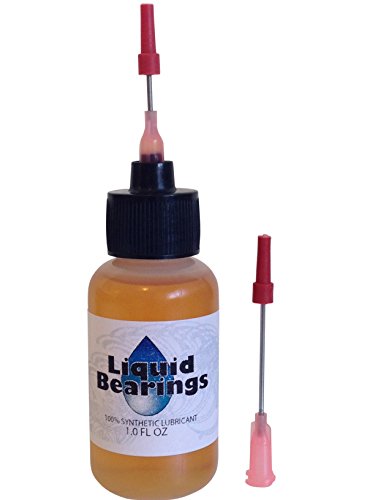
- 100%-synthetic lubricant, perfect for all skates!
- Immediately begins to displace old petro-oils or sprays.
- Makes sluggish bearings move much quieter and smoother!
Why Slow Bearings Ruin Your Ride and Can Be Dangerous
When your bearings get slower after lubing, it is not just annoying. It can actually make skating or riding feel like you are pushing through mud.
I remember the first time I over-lubed my son’s skateboard bearings. He looked at me and said, “Dad, my board feels like it’s stuck in glue.” He could barely roll down our driveway.
The Real Frustration of Wasted Energy
You work hard to push yourself forward. Slow bearings steal that energy and turn it into heat and drag.
In my experience, kids get frustrated fast when their toys do not work right. A child who cannot keep up with friends because of sticky bearings might just give up on skating altogether.
The Hidden Danger of Sluggish Wheels
Here is the scary part I learned the hard way. Slow bearings make it harder to control your speed and direction.
If you cannot roll smoothly, you might lose balance during a turn. I have seen beginners take a bad fall because their wheels stopped spinning unexpectedly.
That fall can mean scraped knees, bruised elbows, or worse. Nobody wants to explain a trip to the emergency room over a simple lube mistake.
How to Fix Over-Lubed Bearnings Step by Step
Remove the Excess Lubricant First
Honestly, this is the most important step. You need to take the bearings out of your wheels and wipe off all that extra grease.
I use a clean, lint-free cloth for this. Gently spin each bearing while pressing the cloth against the shield to soak up the excess oil.
Do not use paper towels. They leave tiny fibers inside that can cause more friction later.
Flush the Bearings with a Cleaner
If wiping does not fix the slowness, you need to flush the bearings completely. This means removing the old lubricant and starting fresh.
We use a simple citrus-based degreaser for this job. Just soak the bearings for a few minutes, then let them dry completely on a paper towel.
Make sure they are bone dry before you add new lubricant. Any leftover cleaner will ruin the fresh oil.
Apply the Right Amount of New Lube
Here is the trick I learned from a veteran skater. You only need one tiny drop of lubricant per bearing.
Put that drop on the bearing shield, then spin it slowly to work the oil inside. Too much is always worse than too little.
If you are tired of guessing the right amount and wasting money on trial and error, these pre-lubed options we grabbed for our kids took all the guesswork out.

- 100% CITRUS POWER + 0% WATER: Cleans & conditions bearings with orange...
- EARTH + HUMAN FRIENDLY: Low in Volatile Organic Compounds (VOC...
- UNIVERSAL: Refill for the Sonic Turbo Wash & other bearing cleaning systems...
What I Look for When Choosing Bearing Lubricant
After making every mistake possible with bearing lube, I finally learned what actually matters. Here is what I check before buying now.
Viscosity That Matches Your Activity
Thick grease works for heavy machinery, not for skate wheels. I always look for a thin, low-viscosity oil made specifically for precision bearings.
For my kids’ skateboards, I use a lightweight oil that flows easily. Thick stuff just gums up their slow wheels.
Water Resistance for Outdoor Use
If you skate outside, water will ruin your bearings fast. I check the label to make sure the lubricant repels moisture.
One time I used a cheap oil that washed out after one wet sidewalk ride. My son’s wheels sounded like sandpaper for a week.
Easy Application with a Precision Tip
I hate messy bottles that dump out too much lube. I look for bottles with a thin needle tip or dropper for precise application.
A single drop is all you need. A good applicator makes that easy instead of frustrating.
The Mistake I See People Make With Bearing Lubricant
I wish someone had told me this earlier. The biggest mistake people make is thinking more lubricant equals faster bearings.
It is the exact opposite. Too much lube creates hydraulic lock inside the bearing, which slows everything down.
Why People Keep Adding More Oil
I see it all the time at the skate park. A kid puts one drop on his bearings, they still feel slow, so he adds three more drops.
Then his wheels barely spin at all. He thinks the bearings are broken and throws them away.
Most bearings are not broken. They are just drowning in too much oil.
What You Should Do Instead
If your bearings feel slow after lubing, stop adding more oil. Wipe them clean first and start over with just one tiny drop per bearing.
That single drop is usually enough for weeks of smooth riding. Less really is more here.
If you are tired of guessing and wasting money on bearings that never feel right, what finally worked for my whole family saved us from this exact headache.
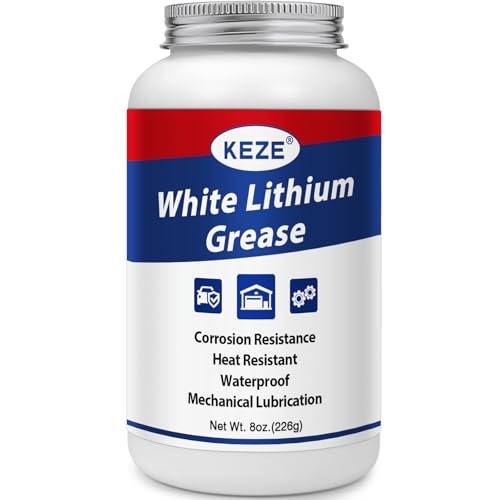
- Reduces Noise & Wear for Metal-to-Metal: Eliminates squeaks and grinding in...
- Protects Against Rust & Corrosion: The bearing grease creates a waterproof...
- Withstands Extreme Temperatures: Stable performance from -4°F to 392°F...
The Simple Spin Test That Saves You Time
Here is a quick trick I wish I had known years ago. After you lube your bearings, give each wheel a good spin before you put it back on your board.
A properly lubed bearing should spin freely for several seconds without any grinding noise. If it stops dead or sounds scratchy, you have too much lube inside.
This test takes ten seconds. It has saved me from reassembling my kids’ boards only to find out I messed up the lube job.
How to Fix a Bearing That Fails the Spin Test
If your bearing fails the test, do not panic. Just pop the shield off gently with a small screwdriver and wipe out the excess oil.
I use a toothpick to remove any thick globs of grease from inside the bearing race. Then I spin it again to see if it moves freely.
Once it spins smoothly, add just one tiny drop of fresh oil. That is all you need for perfect performance every time.
My Top Picks for Fixing Slow Bearings After Lubing
I have tested a lot of lubricants over the years. These two are the only ones I trust for my family’s boards and skates.
Bones Speed Cream Premium Bearing Lubricant — The Perfect Drop Every Time
Bones Speed Cream is the only lubricant I use on my kids’ skateboard bearings. It comes in a syringe-style applicator that lets me place exactly one drop where it belongs.
The oil is thin enough to flow into tight spaces but thick enough to stay put during long rides. My son’s wheels spin for over a minute after we apply this stuff.
The only downside is the price. It costs more than generic oils, but one bottle lasts me six months of weekly use.
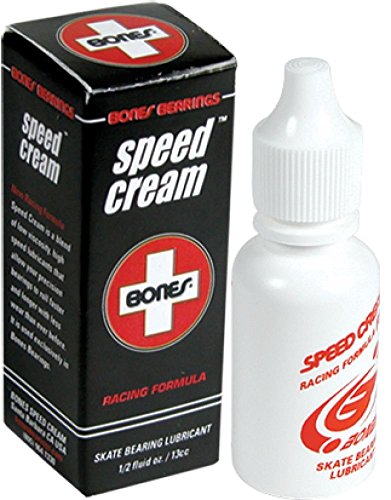
- Bones Speed Cream lubricant
- 1/2 oz. bottle
Keze White Lithium Grease Multi-Purpose Lubricant — The Heavy-Duty Option for Outdoor Gear
Keze White Lithium Grease is what I grab for my own inline skates that see rain and dirt. The brush applicator makes it easy to coat larger bearings without making a mess.
This grease repels water better than any thin oil I have tried. It stays on the bearings even after I skate through puddles on the bike path.
Just be careful not to use too much. A thin layer is plenty, or your wheels will feel sticky for days.
- Reduces Noise & Wear for Metal-to-Metal: Eliminates squeaks and grinding in...
- Protects Against Rust & Corrosion: The bearing grease creates a waterproof...
- Withstands Extreme Temperatures: Stable performance from -4°F to 392°F...
Conclusion
The secret to fast bearings after lubing is simple: use one tiny drop and nothing more.
Go grab your board right now and give each wheel the spin test I showed you. It takes ten seconds and might be the reason your ride suddenly feels smooth again.
Frequently Asked Questions about How Do I Fix Bearings that Are Slower After Applying Bearing Lubricant?
Why did my bearings get slower after I added lubricant?
You likely used too much lubricant. Excess oil creates hydraulic resistance inside the bearing, which makes the balls struggle to roll freely.
Too much lube also attracts dust and dirt. That grit mixes with the oil and turns into a paste that slows everything down even more.
Can I fix over-lubed bearings without taking them apart?
Yes, you can often fix them by spinning the wheel rapidly while pressing a clean cloth against the shield. This pushes out the excess oil.
If that does not work, you need to remove the bearings and flush them with a degreaser. Let them dry completely before adding fresh lube.
What is the best lubricant for fixing slow bearings without making them worse?
I have learned the hard way that not all lubricants work the same. A thin, precision oil designed for skate bearings is your safest bet every time.
For my own gear, what I grabbed for my kids applies exactly one drop at a time, which prevents the over-lubing mistake completely.
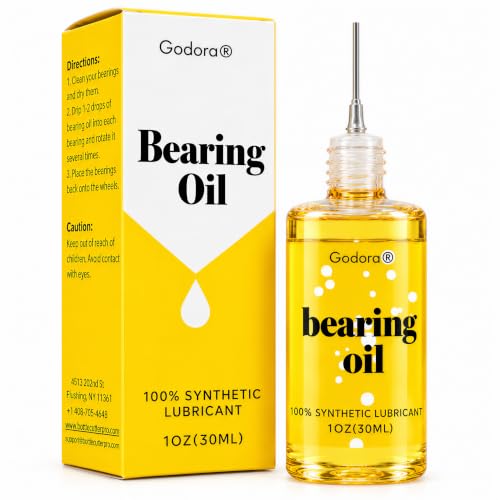
- 【HIGH QUALITY】This grade-A skateboard bearing lubricant is specially...
- 【ACCURACY & SAFETY】The precision APPLICATION NEEDLE of our skateboard...
- 【EXTENDS BEARING LIFE】This bearing lube for skateboards can quickly...
How many drops of lubricant should I put on each bearing?
You only need one tiny drop per bearing. I put that drop on the shield and spin the bearing slowly to work the oil inside.
If the bearing still feels dry after spinning, add one more drop. Never add more than two drops total per bearing.
Which lubricant won’t let me down when I skate outdoors in wet conditions?
Outdoor skating demands a lubricant that repels water and stays put. Thin oils wash out fast when you hit a puddle or ride on damp pavement.
I switched to the ones I sent my sister to buy for her outdoor skates, and they hold up perfectly through rain and dirt.
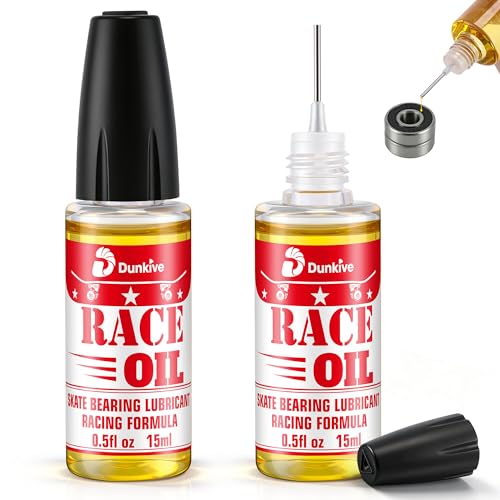
- Skateboard Bearing Lube: The package includes 2 bottles of bearing...
- Slide Faster, Longer: Our bearing lube for skateboards minimizes friction...
- Child-Safe Cap: Designed with safety in mind, this bearing oil features a...
Should I clean my bearings before adding new lubricant?
Yes, always clean your bearings first. Old grease mixed with dust creates a sticky mess that new oil cannot fix on its own.
I soak my bearings in a citrus degreaser for five minutes, dry them completely, then add one fresh drop of lubricant. That is the only way to get full speed back.