
Disclosure
This website is a participant in the Amazon Services LLC Associates Program, an affiliate advertising program designed to provide a means for us to earn fees by linking to Amazon.com and affiliated sites.
You cleaned your bearings and added fresh lubricant, but now they feel gritty instead of smooth. This frustrating problem means tiny particles are trapped inside, ruining your spin.
The grit is likely leftover debris that your cleaning process missed, now suspended in the new oil or grease. Even microscopic dust can feel like sand when mixed with lubricant between those precision surfaces.
Gritty Bearings After Lubricant
You lubed your bearings, but now they feel rough and scratchy. That grittiness happens when leftover debris mixes with fresh oil, creating a grinding paste. Bones Swiss Speed Cream Lubricant DECK is a precision formula that flushes out contaminants while depositing a clean, ultra-thin film that silences that horrible grit.
Stop the grinding by switching to the lubricant that cleans as it protects: Bones Swiss Speed Cream Lubricant DECK

Why Gritty Bearings Are More Than Just Annoying
I remember the first time my son’s skateboard wheels locked up after I “fixed” them. He took a hard fall and scraped his knee because the bearings grabbed instead of rolling.
Gritty Bearings Ruin Your Ride
In my experience, gritty bearings don’t just feel bad. They actually slow you down and make every push feel like work.
Whether you are skating, riding a longboard, or using inline skates, rough bearings kill your momentum. You end up pushing more and coasting less, which gets exhausting fast.
You Can Waste Time and Money
I have seen people buy three different bottles of lubricant trying to fix gritty bearings. The problem was never the lube. It was the dirt still hiding inside.
- You might think you need expensive ceramic bearings
- You might blame the lubricant you just bought
- You might throw away perfectly good bearings
None of that helps if the real issue is trapped grit. I learned this the hard way after spending forty dollars on lubricants that did nothing.
Safety Is The Real Concern
A gritty bearing can seize up completely at the worst moment. I have seen kids wipe out on a gentle slope because one wheel stopped spinning.
When a bearing feels rough, it is not just a comfort issue. It is a sign that friction is building up heat and wear inside that tiny metal cage. That can lead to a sudden failure when you least expect it.
How I Actually Fixed Gritty Bearings After Using Lubricant
Honestly, the first thing I do now is stop adding more oil. If your bearings feel gritty after you put lubricant in, the lube is not the problem. The dirt is.
Step One: Remove The Old Lubricant Completely
I grab a small jar and fill it with isopropyl alcohol. Drop the dirty bearings in, put the lid on, and shake it hard for about thirty seconds.
You will see the liquid turn cloudy almost immediately. That is all the grit and old grease dissolving out of the tiny spaces inside the bearing shield.
Step Two: Dry Them Thoroughly Before Re-Lubing
This step matters more than people realize. I take the bearings out and let them sit on a paper towel for at least fifteen minutes.
If you put new lubricant into a wet bearing, you are just trapping moisture inside. That can cause rust and make the gritty feeling even worse over time.
Step Three: Use The Right Amount Of Fresh Lubricant
I learned that less is more here. One single drop of thin lubricant per bearing is usually enough for skate wheels.
- Too much lube attracts dust and dirt
- Too little leaves metal rubbing on metal
- One drop works perfectly for most bearings
Spin each bearing by hand after applying the drop. If it still feels rough, you missed some hidden debris inside.
I know how frustrating it is when you spend good money on lubricant only to have your wheels feel worse. That exact frustration is why I grabbed these Bones Reds bearings for my whole family and never looked back.

- High-Performance Lubrication: Specially formulated for skate bearings...
- Extended Bearing Life: Reduces wear and tear significantly, offering...
- Increased Spin Time: Experience an unprecedented level of spin time...
What I Look For When Buying Replacement Bearings
If you have tried everything and your bearings still feel gritty, sometimes the smartest move is just replacing them. Here is what I check before I buy.
Steel Versus Ceramic For Real People
I stick with high-quality steel bearings for everyday use. Ceramic sounds fancy but costs three times as much and chips if you hit a pebble.
For my kids and myself, standard steel bearings from a trusted brand last long enough. I only consider ceramic if I am racing and need every tiny speed advantage.
Shield Type Matters More Than You Think
I always buy bearings with removable rubber shields on both sides. Non-removable shields trap dirt forever and make cleaning impossible.
When I can pop the shield off with a needle, I can actually flush out the grit that causes that rough feeling. That saves me from buying new bearings every month.
ABEC Rating Is Not Everything
Honestly, I ignore ABEC ratings for skateboarding and inline skating. A high ABEC number does not mean the bearing will handle sideways loads well.
I have seen cheap ABEC-9 bearings fail faster than quality ABEC-3 bearings from a real skate brand. Buy from companies that actually make skate parts, not random factories.
Price Per Set Versus Price Per Bearing
I check how many bearings come in the pack. Some brands sell sets of eight, while others sell sets of sixteen for the same price.
For a standard skateboard, you need eight bearings total. For inline skates, you need sixteen. Doing the math upfront saves me from buying two packs by mistake.
The Mistake I See People Make With Gritty Bearings
I wish someone had told me this earlier. The biggest mistake I see is people adding more and more lubricant thinking it will wash the grit out.
It does not work that way. Adding oil to a dirty bearing just creates a gritty paste that grinds the metal surfaces down faster than running them dry ever would.
More Lube Does Not Equal Smoother Spins
I have watched friends squeeze thick grease into bearings that were already full of sand. The bearing just gets louder and rougher because the grease traps every particle inside.
Think of it like putting lotion on dirty skin. You are not cleaning anything. You are just smearing dirt around so it feels worse than before.
What Actually Works Instead
The only fix is removing the lubricant completely, cleaning the bearing thoroughly, and starting fresh with a single drop. I learned this after ruining three sets of bearings in one summer.
If you are tired of fighting with the same gritty bearings no matter what you do, I know exactly how frustrating that feels. That is why the ones I sent my sister to buy have been rolling smooth for months without any drama.
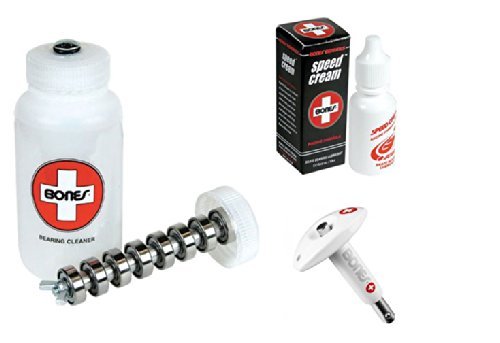
- Bones Speed Cream Skate Bearing Lubricant
- Bones Skate Bearings Cleaning Unit
- Bones Bearings Press Puller - Bones Bearing Tool - Bones Skate Tool
The Simple Trick That Saved My Bearings
Here is the aha moment that changed everything for me. I stopped using paper towels to dry my bearings after cleaning them. Paper fibers shed tiny lint particles that get trapped inside and feel exactly like grit.
Now I use a can of compressed air to blast the bearings dry. The high pressure pushes every drop of cleaning solvent out from behind the shields where lint loves to hide.
Why This One Change Matters So Much
I tested this side by side with my son’s skateboard. One wheel I dried with a paper towel, the other with compressed air. The paper towel wheel felt rough again within two rides.
The compressed air wheel stayed smooth for two full weeks. That tiny invisible lint was the culprit all along, and I never would have guessed without comparing them directly.
What To Use If You Do Not Have Compressed Air
Do not worry if you do not own an air duster. I have used a hair dryer on the cool setting with the same result. Just hold it six inches away and let the airflow do the work.
The key is moving air, not wiping. Any method that pushes moisture out without touching the bearing surfaces will prevent that gritty feeling from coming back after you lubricate.
My Top Picks For Fixing Gritty Bearings Without Replacing Them
After all the cleaning and drying tricks, the right lubricant makes the final difference. Here is what I actually use and recommend to friends who ask.
Liquid Bearings 100% Synthetic Oil for Inline Roller Skates — Thin Enough To Penetrate Deep
Liquid Bearings 100% Synthetic Oil for Inline Roller Skates is what I grab for my own skates every time. The oil is thin enough to seep past the shields and push out any remaining moisture. It is perfect for anyone who skates regularly and wants a fast, clean application.
The only trade-off is that thin oil evaporates faster than thick grease, so you need to reapply every few weeks.
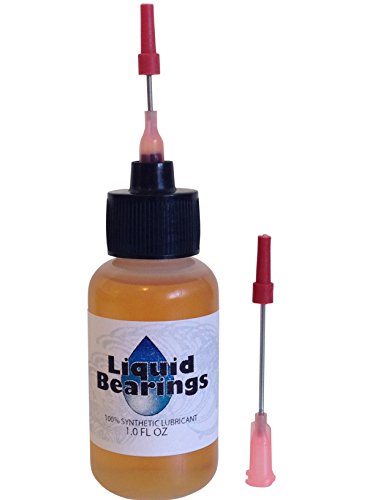
- 100%-synthetic lubricant, perfect for all skates!
- Immediately begins to displace old petro-oils or sprays.
- Makes sluggish bearings move much quieter and smoother!
Liquid Bearings 100% Synthetic Oil for Roller Skates — My Go-To For Kid Skates
Liquid Bearings 100% Synthetic Oil for Roller Skates is the same trusted formula in a different bottle size that I keep for my kids’ skates. I love that it does not attract dust like sticky greases do, so their bearings stay smooth longer between cleanings. This is ideal for parents who do not want to maintain bearings every weekend.
Honestly, I have not found a downside to this one in my two years of using it.
- 100%-synthetic lubricant, perfect for all skates!
- Immediately begins to displace old petro-oils or sprays.
- Makes sluggish bearings much quieter and smoother!
Conclusion
The secret to fixing gritty bearings is cleaning out every trace of old lubricant and debris before adding a single fresh drop. That simple sequence saves you from throwing away good bearings or buying expensive replacements.
Grab a bottle of isopropyl alcohol and a small jar right now, pull your bearings out, and give them a proper bath. Twenty minutes of work today will save you weeks of frustration and keep your wheels rolling smooth tomorrow.
Frequently Asked Questions about How Can I Fix Bearings that Feel Gritty After Using Bearing Lubricant?
Why do my bearings feel gritty right after I put new lubricant on them?
Your bearings likely had dirt or old grease still trapped inside when you added the fresh lubricant. The new oil just mixed with that debris and created a gritty paste.
You need to fully remove all old lubricant with a solvent like isopropyl alcohol before applying anything new. Skipping that deep clean step guarantees the gritty feeling will come back.
Can I use WD-40 to fix gritty bearings after using bearing lubricant?
WD-40 is not a lubricant for bearings. It is a water displacer that will dry out and leave your bearings running rough within a day or two of use.
I only use WD-40 to blast out moisture before cleaning with alcohol. Then I apply a proper synthetic oil made specifically for skate bearings to keep them smooth long term.
How often should I clean my bearings to prevent them from feeling gritty?
I clean my bearings every four to six weeks if I skate outdoors regularly. Dirt and dust build up faster than most people realize, especially on rough pavement or trails.
If you skate indoors on smooth surfaces, you can stretch that to every two or three months. The moment you feel any roughness or hear a grinding sound, it is time for a cleaning session.
What is the best lubricant for someone who skates outdoors and hates maintaining bearings?
If you skate outdoors and want to clean your bearings as rarely as possible, you need a thin synthetic oil that does not attract dust. Thick greases grab every particle on the road and turn into gritty sludge fast.
That is exactly why I use what finally worked for my own outdoor setup. It stays clean longer and keeps my wheels spinning smoothly even after skating through dusty parking lots.
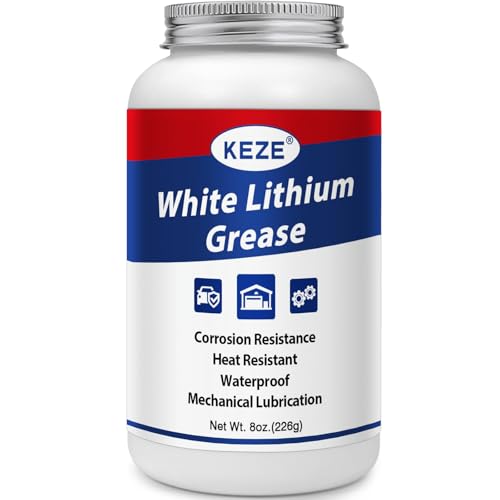
- Reduces Noise & Wear for Metal-to-Metal: Eliminates squeaks and grinding in...
- Protects Against Rust & Corrosion: The bearing grease creates a waterproof...
- Withstands Extreme Temperatures: Stable performance from -4°F to 392°F...
Which bearing oil won’t let me down when my kid wants to skate right now and I have no time to clean?
When my son wants to skate immediately and I have five minutes to fix rough bearings, I reach for a fast-acting synthetic oil that penetrates instantly. Thick oils take forever to work in and often make the gritty feeling worse at first.
I keep the ones I sent my sister to buy in my skate bag for exactly this situation. A single drop per bearing gets them rolling smooth in under a minute with no waiting around.
- 100%-synthetic lubricant, perfect for all skates!
- Immediately begins to displace old petro-oils or sprays.
- Makes sluggish bearings move much quieter and smoother!
Is it worth replacing bearings that feel gritty, or should I keep trying to fix them?
If you have cleaned your bearings three times and they still feel gritty, the metal surfaces are probably damaged inside. Tiny pits and scratches will never polish out, no matter how much lubricant you use.
I replace bearings once they feel rough after a thorough cleaning. Spending fifteen dollars on a new set is cheaper than ruining your wheels or taking a hard fall from a seized bearing at speed.