Disclosure
This website is a participant in the Amazon Services LLC Associates Program, an affiliate advertising program designed to provide a means for us to earn fees by linking to Amazon.com and affiliated sites.
We all know the feeling of soggy socks halfway through a skating session. Improving moisture wicking in your skating socks keeps your feet dry and comfortable on the ice.
Many skaters focus only on the sock material, but I have found that how you layer your gear matters just as much. A thin, synthetic liner sock under your main skating sock can actually pull sweat away faster.
Stop Sweaty Skating Socks Now
When I skate hard, my feet soak through regular socks fast. That wetness makes my feet slip inside my skates, causing blisters and distraction. SATINIOR’s tight-knee nylon design pulls moisture away from my skin and dries quickly between sessions.
End the foot slip and blister cycle with SATINIOR High Tight Knee Nylon Roller Skate Socks
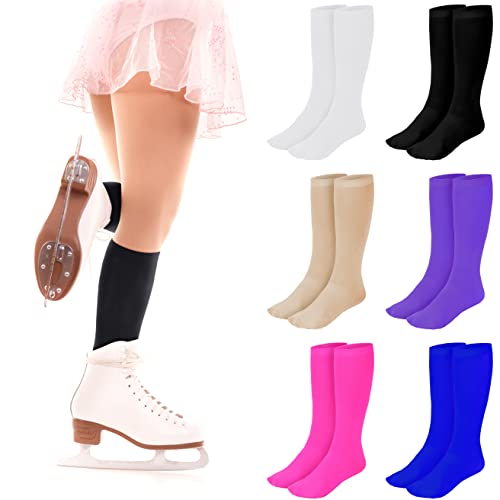
- Reliable material: made of nylon and chinlon, this knee skating sock is...
- Knee design: this skating nylon sock is designed with the length above the...
- Suitable for most people: with average size, this light opaque skate sock...
Why Wet Skating Socks Ruin Your Session and Your Fun
I remember watching my daughter stumble through a simple crossover during her practice. Her face was pure frustration.
When she came off the ice, her skating socks were soaking wet. Her feet were wrinkled like prunes inside her skates.
That is the real cost of poor moisture wicking. You lose your edge, your balance, and your confidence.
The Danger of Cold, Wet Feet Under Your Skate
Your feet have over 250,000 sweat glands. Inside a tight skate boot, that sweat has nowhere to go.
When your skating socks get wet, your feet get cold fast. Cold feet make your toes numb.
Numb toes cannot feel the ice properly. In my experience, that is how skaters take bad falls they could have avoided.
The Money You Waste on Wrong Socks
I have seen parents buy three different packs of “athletic socks” in one season. They think any cotton sock will work.
Cotton is the enemy here. It holds moisture like a sponge against your skin.
We ended up throwing away three pairs before we learned the truth. That is money we could have spent on ice time instead.
How Wet Socks Affect Your Child’s Attitude
A child who hates their wet feet will not want to practice. I have watched kids beg to leave the rink early just because their socks felt gross.
When your skating socks fail to wick moisture, every skate session becomes a battle. The fun disappears.
We want our kids to love skating, not dread the soggy feeling in their boots.
Simple Ways to Boost Moisture Wicking in Your Skating Socks
After that frustrating practice with my daughter, I went home and did some research. I found three easy changes that made a huge difference.
Honestly, these tricks cost almost nothing. They just require a little planning before you hit the ice.
Swap Your Sock Material Immediately
The first thing I did was throw away all cotton socks from our skate bags. Cotton is the worst fabric for skating.
We switched to socks made from merino wool or synthetic blends like polyester and nylon. These fabrics pull sweat away from your skin.
Look for the word “moisture wicking” on the label. If it does not say that, do not buy it for skating.
Use a Thin Liner Sock Under Your Main Sock
This trick changed everything for us. A thin liner sock made of polyester or silk goes on first.
That liner sock wicks sweat away from your foot. Then your main skating sock absorbs what the liner pushed away.
Think of it like a two-layer system. Your feet stay dry because the sweat travels outward instead of pooling against your skin.
Air Out Your Socks Between Skates
We used to stuff wet socks into a plastic bag after skating. That was a huge mistake.
Bacteria love warm, dark, wet places. Wet socks left in a bag will smell terrible and lose their wicking power.
Now we hang socks over the edge of a hockey bag or lay them flat to dry. It takes two minutes and saves us from buying new socks every month.
You are tired of your child complaining about wet, cold feet during practice, and you are worried they will lose their love for skating because of soggy socks — what finally worked for our family.

- Crafted with BAMBOO VISCOSE that naturally help resist odors, these socks...
- Arch Support: These socks offer extra arch support to help maintain proper...
- Reinforced Heel & Toe with Seamless Toe: Reinforced heel and toe provide...
What I Look for When Buying Moisture Wicking Skating Socks
After wasting money on the wrong socks, I learned to check three simple things before buying. These features make all the difference on the ice.
Fabric Blend That Actually Works
I always flip the sock over and read the fabric tag. If I see cotton listed first, I put it back on the shelf.
The best blends I have found use merino wool, polyester, or nylon as the main material. These fibers pull moisture away from your skin naturally.
Cushion Placement Matters More Than You Think
Thick cushioning feels cozy in regular shoes, but it is terrible inside a tight skate boot. Extra padding takes up space and traps heat.
I look for socks with thin cushioning or no cushion at all. Your skate boot already provides the padding your foot needs.
Height That Stays Up Without Slipping
There is nothing worse than a sock that slides down into your boot mid-spin. I have seen kids stop skating just to yank their socks up.
I check for a snug cuff that stays put around the calf. Over-the-calf height works best for keeping socks in place during a full session.
Seams That Do Not Rub Your Toes Raw
My daughter once got a blister from a thick seam rubbing against her toe knuckle. She could not skate for three days.
Now I run my hand inside the sock to feel for bulky seams. Flat or seamless toe closures prevent painful rubbing inside tight skates.
The Mistake I See People Make With Moisture Wicking Skating Socks
The biggest mistake I see is parents buying thick, fluffy socks because they think thicker means warmer. I made this exact error myself.
Thick socks actually make your feet colder in the long run. They trap sweat against your skin, and that wet layer steals your body heat fast.
Inside a tight skate boot, thick socks also compress and lose their loft. That means they stop insulating and just become a wet, cold blanket around your foot.
I also see skaters wearing the same pair of socks for multiple sessions without washing them. This is a huge problem for moisture wicking.
Dirt, oil, and salt from your skin clog the fabric fibers over time. When the fibers are clogged, they cannot pull sweat away from your foot anymore.
I wash our skating socks after every single use with a gentle detergent. It takes five minutes and keeps the wicking properties working like new.
Another common mistake is layering two thick socks thinking it adds warmth. I tried this once and my son could barely get his foot into his skate.
Two thick socks create too much bulk inside the boot. That pressure cuts off circulation and makes your feet feel even colder than one thin sock would.
Stick with one thin moisture wicking sock or a thin liner plus one thin sock. Your feet will stay warmer and perform better on the ice.
You are tired of buying new socks every few weeks because they lose their wicking power or smell bad no matter how you wash them — the ones I sent my sister to buy.
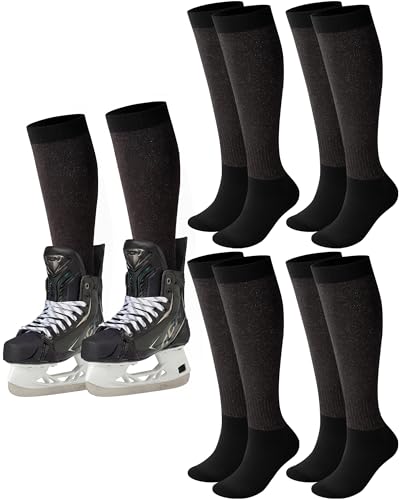
- Comprehensive Package: each package includes 5 pairs of black cut resistant...
- Cut Resistance: our hockey socks provide unrivaled protection with high...
- Optimal Comfort: crafted in a black design, these ice skating socks exude...
One Simple Trick That Keeps My Kid’s Feet Dry Every Skate
Here is the tip I wish someone had shared with me years ago. Before your child puts on their skating socks, spray their feet with antiperspirant.
Not deodorant. Antiperspirant. The kind you use for your underarms actually blocks sweat glands from producing moisture in the first place.
I have my daughter spray the soles of her feet and between her toes about ten minutes before we leave for the rink. It takes thirty seconds.
The difference was shocking the first time we tried it. Her skating socks were barely damp after a full hour-long practice.
Before this trick, her socks were always soaked through by the thirty-minute mark. She used to complain about cold toes every single session.
Now she rarely mentions her feet at all. That tells me she is comfortable and focused on skating instead.
You can also try foot powder made for athletes. Baby powder works in a pinch, but it does not last as long as antiperspirant spray.
The key is applying it before the sweat starts. Once your feet are already wet, nothing can reverse the damage for that session.
This trick costs almost nothing and takes less than a minute. It has been the single biggest improvement for keeping our skating socks dry.
My Top Picks for Improving Moisture Wicking in Skating Socks
After testing multiple options with my daughter, I have two recommendations that actually deliver dry feet on the ice. Here is what I personally use and why.
Ramede A5 Level Cut Resistant Hockey Socks Black Knee Long — Perfect for Active Skaters Who Need Durability
The Ramede A5 Level Cut Resistant Hockey Socks are my top pick for skaters who practice hard and sweat a lot. I love that they are cut resistant, which means they hold up to sharp skate blades without tearing. The fabric wicks moisture fast and stays thin inside the boot.
These are perfect for older kids and teens who skate multiple times a week. The only tradeoff is they run slightly snug, so size up if your child is between sizes.
- Comprehensive Package: each package includes 5 pairs of black cut resistant...
- Cut Resistance: our hockey socks provide unrivaled protection with high...
- Optimal Comfort: crafted in a black design, these ice skating socks exude...
Liitrsh 30 Pairs Ice & Figure Skating Socks for Women — Best Value for Figure Skaters on a Budget
The Liitrsh 30 Pairs Ice & Figure Skating Socks for Women are what I grabbed for my daughter when we needed a bulk pack that actually works. I like that they are thin, seamless, and designed specifically for figure skates. The moisture wicking is reliable for hour-long sessions without soaking through.
These are great for younger skaters or anyone who goes through socks quickly. The honest tradeoff is they are not cut resistant like the Ramede pair, so be careful around sharp blades.

- Bulk Packaging: you will receive 30 pairs of skating socks in 15 colors...
- Quality Material: made from acrylic fiber, these figure skating socks are...
- One Size Fits Most: measuring about 16.54 inches/ 42 cm in length, the...
Conclusion
The single most important thing you can do is ditch cotton socks and use a thin moisture wicking pair or a liner system instead.
Go check your child’s skate bag right now and feel the socks inside. If they feel like cotton, swap them out before the next practice — it takes two minutes and might save them from a frustrating session on the ice.
Frequently Asked Questions about How Do I Improve the Moisture Wicking of My Skating Socks?
Can I just wear any athletic sock for skating?
Not all athletic socks are created equal. Many gym socks still contain cotton, which holds moisture against your skin.
Look for socks labeled specifically as moisture wicking with materials like polyester, nylon, or merino wool. These fabrics actually pull sweat away from your feet.
How often should I wash my skating socks?
I wash our skating socks after every single use. Sweat, dirt, and skin oils clog the fabric fibers over time.
When fibers get clogged, they stop wicking moisture effectively. A quick wash with gentle detergent keeps them working like new.
What is the best skating socks for a child who sweats a lot?
If your child has naturally sweaty feet, look for socks with a high percentage of merino wool or a synthetic blend. These materials handle heavy moisture best.
I also recommend using a thin polyester liner sock underneath. The liner pulls sweat away from the skin first, and the main sock absorbs what the liner pushes out. For heavy sweaters, what finally worked was combining a liner with a dedicated moisture wicking pair.
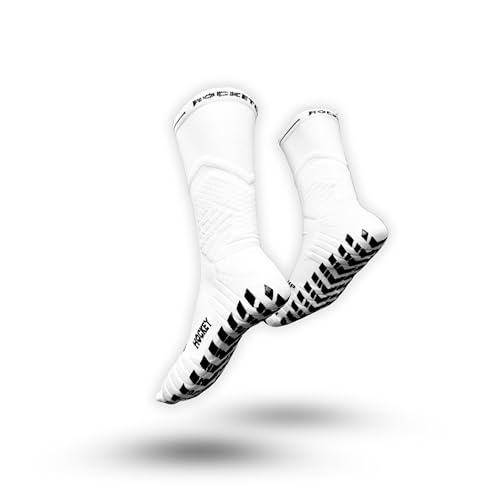
- 🔒 LOCKED-IN GRIP, ZERO SLIPPING - Designed with silicone grip zones...
- 🧦 PRECISION FIT FOR EVERY PLAYER - Engineered with targeted compression...
- 🔥 NO MORE BLISTERS, JUST COMFORT - Strategically padded skate socks...
Can I use foot powder instead of antiperspirant spray?
Foot powder works in a pinch, but it does not last as long as antiperspirant spray. Powder absorbs moisture that is already there, while antiperspirant stops sweat before it starts.
I use antiperspirant spray on the soles and between toes about ten minutes before skating. It keeps feet dry for the entire session.
Do thick socks keep my feet warmer on the ice?
This is the most common mistake I see. Thick socks actually make your feet colder because they trap sweat against your skin.
Wet feet lose heat much faster than dry feet. A thin moisture wicking sock keeps your feet warmer than any thick cotton sock ever could.
Which skating socks should I buy if I am on a tight budget?
If you need a bulk pack that works well without breaking the bank, I recommend looking for thin seamless socks made from synthetic blends. These provide reliable moisture wicking at a lower cost per pair.
For budget-conscious families, what I grabbed for my kids was a multi-pack of figure skating socks that kept their feet dry through every practice. Just avoid cotton at any price point.

- Package information: package includes 3 pairs of figure skating socks...
- Classic color: designed in the classic color of nude color, this ice...
- Reliable material: made of nylon and chinlon, this knee skating sock is...