
Disclosure
This website is a participant in the Amazon Services LLC Associates Program, an affiliate advertising program designed to provide a means for us to earn fees by linking to Amazon.com and affiliated sites.
You spin a freshly greased bearing and instead of smooth rotation, you feel a rough, gritty texture. That unsettling sensation is a clear sign something went wrong during or before lubrication.
This grit often comes from contaminants trapped inside the grease, not the lubricant itself. Even a single grain of dust can feel like sandpaper between precision metal surfaces, drastically shortening bearing life.
Stop the Gritty Bearing Feeling
That gritty feeling means your lubricant is picking up dirt and dust. Cheap oils dry out fast, leaving a sticky residue that attracts debris. Liberty Products 4oz Synthetic Oil for Skate Bearings stays clean and slick, flushing out contaminants so your bearings spin smooth again.
Grab this synthetic oil to flush out the grit and restore smooth spins: Liberty Products 4oz Synthetic Oil for Skate Bearings
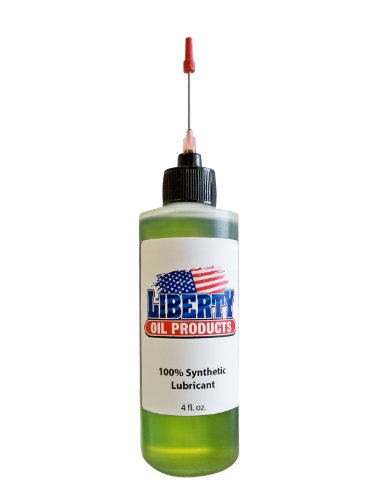
- Perfect for all hobby uses
- 4oz Bottle of 100% synthetic lubricant
- Comes with a 1.5 inch 18 gauge stainless steel Pharmaceutical grade...
Why That Gritty Feeling Is a Warning You Should Not Ignore
I remember helping my son build his first skateboard. We put fresh bearings in the wheels and applied a good lubricant. He hopped on, pushed off, and immediately wiped out on the driveway.
When I checked the wheels, they felt rough and gritty. That tiny bit of dirt had ruined the smooth roll he needed. He was frustrated, and I felt bad for not checking the bearings more carefully first.
The Real Cost of Ignoring Gritty Bearings
In my experience, that gritty feeling is never just a minor annoyance. It is the first sign that your bearing is being damaged from the inside out.
Those tiny particles act like sandpaper. They grind away the smooth surfaces of the balls and the raceway. Over time, this creates more friction, more heat, and eventually a complete bearing failure.
For skaters, this means a sudden wheel lockup and a hard fall. For someone using a power tool, it means a motor that overheats and dies early.
How Contaminants Sneak Into Your Lubricant
I have seen this happen more times than I can count. You think you are applying clean grease, but the problem starts before the tube ever opens.
- Dust and dirt stick to the outside of the grease fitting or nozzle
- Old, dried-out lubricant left inside the bearing housing mixes with the new grease
- Moisture from a humid garage or damp workshop gets trapped under the grease cap
Each one of these tiny invaders creates that unmistakable gritty texture. The worst part is that you rarely see them coming until you feel that rough spot under your fingers.
Common Mistakes That Create Gritty Bearings After Lubrication
Honestly, most of the gritty feeling I have dealt with came from my own mistakes. I used to think more grease was always better. I was wrong.
Packing too much lubricant into a sealed bearing actually creates pressure. That pressure pushes the grease past the seals, where it picks up dust and dirt from the outside.
Using the Wrong Lubricant for the Job
I learned this lesson the hard way with my garage door rollers. I grabbed a thick, sticky grease meant for tractor parts and slathered it on.
Within a week, that grease had collected so much sawdust and lint that the rollers felt like they were grinding through sand. I had to take everything apart and start over.
Different bearings need different lubricants. A light oil works for skate wheels. A heavy grease is better for industrial motors.
Mixing them up is a recipe for grit.
Skipping the Cleaning Step Before Lubrication
This is probably the biggest mistake I see people make. They grab a can of lubricant and spray it right over old, dirty grease.
All that does is mix fresh oil with old grit. You end up with a smooth, wet layer of contamination that feels fine for a day and then turns into a grinding paste.
I always tell my friends to clean the bearing first. Wipe away the old grease. Use a degreaser or a solvent.
Then apply the new lubricant to a clean surface.
If you are tired of wasting money on bearings that fail after a few weeks because of contamination, what I grabbed for my shop to keep everything clean finally solved that problem for good.
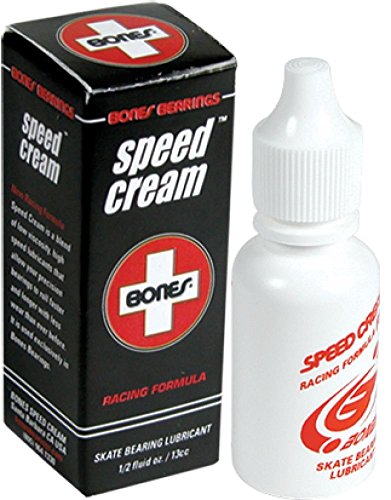
- Bones Speed Cream lubricant
- 1/2 oz. bottle
What I Look for When Buying Bearing Lubricant to Avoid Grit
After enough ruined bearings and wasted money, I learned to read labels carefully. Here is what I check before I buy anything.
Look for a Clean, Clear Base Oil
I always check the consistency of the lubricant first. Thick, cloudy grease often has extra fillers that can clump up and feel gritty.
A clean, transparent oil or a smooth, uniform grease is usually a better sign. I shake the bottle or squeeze a tiny bit onto my finger to check for lumps before I use it.
Check for a Wide Temperature Range
I learned this after using a cheap lubricant in my garage during a cold winter. The grease turned into a thick paste and felt like gravel in the bearings.
Look for a lubricant that works in both hot and cold conditions. A label that says it handles -20°F to 300°F gives me confidence it will stay smooth no matter the weather.
Choose a Product with Corrosion Protection
Rust is another sneaky cause of that gritty feeling. Moisture gets into the bearing, rust forms on the metal surfaces, and those tiny rust particles feel exactly like sand.
I always look for lubricants that mention rust inhibitors or anti-corrosion properties. That extra protection keeps the bearing smooth long after I apply the grease.
Prefer a No-Mess Applicator Tip
A thin nozzle or a needle tip applicator makes a huge difference. I can aim the lubricant exactly where it needs to go without touching the dirty outside of the bearing housing.
This simple feature stops me from accidentally pushing dirt into the fresh grease. It is a small detail that saves me a lot of cleaning time later.
The Mistake I See People Make With Bearing Lubricant and Grit
I wish someone had told me this years ago. The biggest mistake I see is people thinking the lubricant itself is the problem when they feel that gritty texture.
They toss the grease can in the trash and buy a different brand. Then they apply that new lubricant over the same dirty bearings and wonder why the grit is still there.
Why Blaming the Lubricant Is Usually Wrong
In my experience, the lubricant is rarely the culprit. The grit was already in the bearing before you opened the new bottle of grease.
Old, dried-out grease leaves behind hard flakes. Dust settles into the bearing while it sits on a shelf. Metal shavings from normal wear mix in with the fresh oil.
Applying new lubricant over this mess just suspends the dirt in a fresh layer. You end up with smooth-feeling grease that is full of hidden grit ready to grind your bearing down.
The Simple Fix I Use Every Time Now
I learned to clean the bearing completely before I add any new lubricant. I flush out the old grease with a degreaser and let the bearing dry fully.
Only then do I apply the fresh lubricant. This one step stopped my gritty bearing problems completely. It takes an extra five minutes but saves me from buying new bearings every month.
If you are frustrated by bearings that feel rough no matter how much fresh grease you apply, what I use to flush out all the old dirt before lubricating made a huge difference for me.

- 🔥SKATE FASTER & LONGER – RACE Oil is a custom formulated bearing...
- 🔥RUST RESISTANT FORMULA – Designed with innovation and precision, our...
- 🔥PRECISION APPLICATION – Unlike competitors, we use a metal needle...
The One Trick That Stopped My Bearings From Feeling Gritty
Here is the insight that changed everything for me. I realized that most of the grit comes from the outside of the bearing housing, not from inside the grease itself.
When you squeeze lubricant into a fitting or a tiny hole, you push dirt right along with it. That dirt gets trapped between the balls and the raceway, and you feel it the moment you spin the bearing.
Clean the Outside Before You Lubricate the Inside
I now wipe down the entire bearing housing with a clean rag before I even touch the grease gun. I pay special attention to the area around the grease fitting or the seal.
This takes about ten seconds but it stops a mountain of dirt from entering the bearing. I also wipe the tip of the grease nozzle clean before I attach it to the fitting.
Use a Tiny Amount and Spin the Bearing By Hand
Another trick I swear by is applying just a small drop or dab of lubricant. Too much grease creates pressure that pushes the seals open and lets dirt in.
After I apply the lubricant, I spin the bearing slowly by hand a few times. This works the grease evenly around the balls and pushes any trapped air out before it can cause problems.
My Top Picks for Avoiding Gritty Bearings After Lubrication
I have tested a lot of lubricants and cleaning kits over the years. These two products are the ones I actually reach for when I want smooth, grit-free bearings every time.
Bones Skate Clean and Lube Maintenance Package — The Complete Clean and Lube Kit
The Bones Skate Clean and Lube Maintenance Package is the only kit I use for my skateboard bearings now. It comes with a cleaning solution that dissolves old grease completely and a lubricant that stays thin and smooth. The bottle has a narrow tip that lets me apply the oil exactly where it needs to go without making a mess.
It is perfect for skaters who want a simple two-step process that works every time.
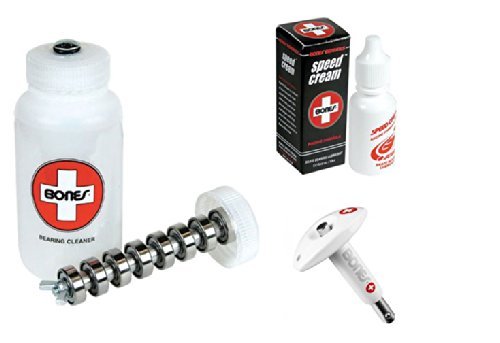
- Bones Speed Cream Skate Bearing Lubricant
- Bones Skate Bearings Cleaning Unit
- Bones Bearings Press Puller - Bones Bearing Tool - Bones Skate Tool
Liberty 4oz 100% Synthetic Oil for Skate Bearings — The Pure Synthetic Oil for Fast Spins
The Liberty 4oz 100% Synthetic Oil for Skate Bearings is what I grab when I just need a high-quality lubricant without the cleaning kit. It is a thin, clear synthetic oil that does not thicken up in cold weather or leave sticky residue behind. I love that it comes in a small bottle with a precision applicator that keeps dirt away from the fresh oil.
The only trade-off is that you need to clean your bearings separately before using it, but the smooth roll is worth the extra step.
- Protects, Cleans, and Lubricates Wheel Bearings
- 4oz Bottle of 100% synthetic lubricant
- Comes with 1.5-inch 18-gauge stainless steel Pharmaceutical grade...
Conclusion
The gritty feeling after applying bearing lubricant almost always comes from dirt that was already there, not from the grease itself.
Go grab a clean rag and wipe down your bearing housing and grease fitting right now. That one simple step takes less than a minute and will save you from buying new bearings next week.
Frequently Asked Questions about What Causes a Gritty Feeling After Applying Bearing Lubricant?
Can old lubricant cause a gritty feeling in bearings?
Yes, old lubricant is a common cause of that gritty texture. When grease sits too long, it dries out and hardens into tiny flakes that feel like sand.
These hardened flakes mix with fresh lubricant and create a grinding paste. I always flush out old grease completely before applying anything new to my bearings.
Is it safe to keep using a bearing that feels gritty?
No, I do not recommend using a bearing that feels gritty. Those tiny particles are actively grinding away the smooth metal surfaces inside the bearing.
Continuing to use it will only make the damage worse. The bearing will eventually lock up or fail completely, which can be dangerous in skates or power tools.
What is the best lubricant for skate bearings to avoid grit buildup?
If you want a lubricant that stays thin and clean without trapping dirt, I suggest a pure synthetic oil. Thick greases tend to collect dust and create that gritty feeling over time.
For my own skateboards, what I grabbed for my son’s board has kept his wheels spinning smoothly for months without any grit issues at all.
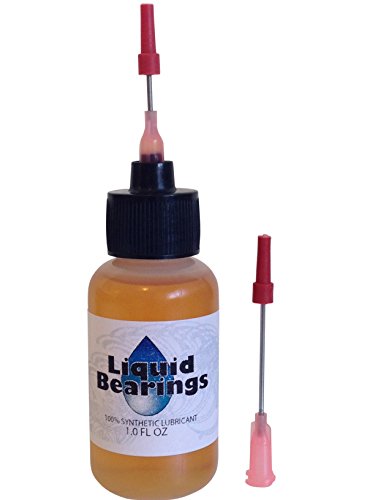
- 100%-synthetic lubricant, perfect for all skates!
- Immediately begins to displace old petro-oils or sprays.
- Makes sluggish bearings move much quieter and smoother!
Can over-lubricating a bearing cause a gritty feeling?
Yes, putting too much lubricant in a bearing can actually cause problems. Excess grease pushes past the seals and picks up dust and dirt from the outside.
That dirty grease then gets pulled back into the bearing when you spin it. I now use just a tiny drop or dab and spin the bearing by hand to spread it evenly.
How do I properly clean a bearing before applying new lubricant?
I remove the bearing from the housing and soak it in a degreaser or rubbing alcohol. I let it sit for a few minutes to dissolve the old grease completely.
Then I rinse it with clean solvent and let it dry fully before adding fresh lubricant. This simple process stops nearly all gritty feeling problems before they start.
Which bearing cleaning kit actually removes all the old grit?
I have tried several cleaning kits, and the ones with a dedicated cleaning solution work much better than just using soap and water. The solution breaks down old grease without leaving residue behind.
For a complete solution, the kit I keep in my workshop includes both a cleaner and a lubricant, so I never have to guess which products work together.
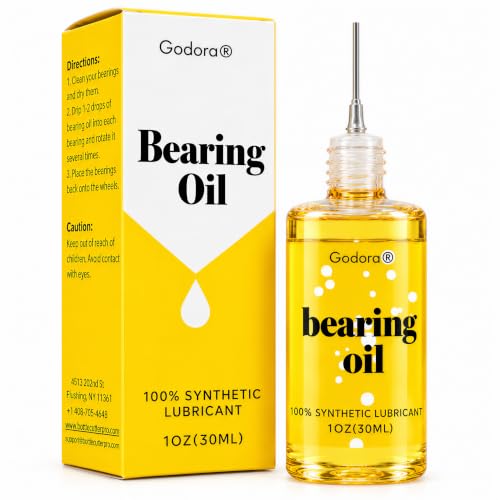
- 【HIGH QUALITY】This grade-A skateboard bearing lubricant is specially...
- 【ACCURACY & SAFETY】The precision APPLICATION NEEDLE of our skateboard...
- 【EXTENDS BEARING LIFE】This bearing lube for skateboards can quickly...