
Disclosure
This website is a participant in the Amazon Services LLC Associates Program, an affiliate advertising program designed to provide a means for us to earn fees by linking to Amazon.com and affiliated sites.
You put fresh grease in your skate bearings, and suddenly you don’t roll as far. It feels like you are working harder for less speed.
Thick lubricants create internal drag inside the bearing. My kids noticed this right away after a fresh repack, losing nearly half their coasting distance on the rink floor.
Stop Killing Your Coasting Distance
Thick, sticky lubricants gunk up your bearings and destroy your roll. You push hard but glide only a few feet before slowing down. Bones Speed Cream is a light synthetic oil that penetrates deep without creating drag, keeping your bearings fast and smooth.
Ditch the heavy grease and grab this instead: Bones Speed Cream Skate Bearing Lubricant
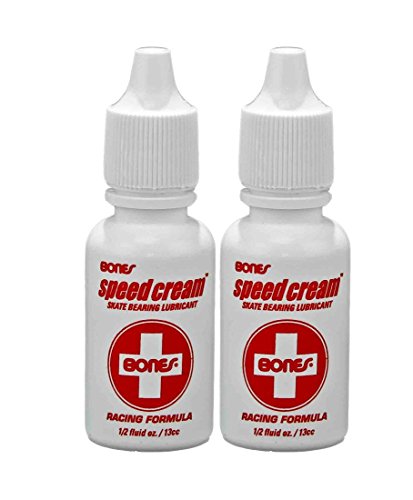
- Bottles of Bearing Lubricant
- Makes your bearings faster
- Makes your bearings last longer
Why Too Much Grease Kills Your Roll
The Real Cost of Slower Skates
I remember watching my daughter struggle at the rink last winter. She had just gotten new bearings and I packed them full of thick grease.
Her friends zoomed past while she pushed hard just to keep up. She looked frustrated and ready to quit.
That day I learned a hard lesson. More grease does not mean better protection. It means more resistance inside the bearing.
What Happens Inside Your Bearings
Think of your bearing like a tiny wheel with metal balls rolling around inside. Grease fills the space between those balls.
When there is too much grease, the balls have to push through a thick paste. That takes energy away from your forward motion.
In my experience, this problem shows up most after a fresh bearing cleaning. We put the grease in, go for a test roll, and wonder why we lost half our coasting distance.
Signs You Have Too Much Lubricant
- You push three times to go the same distance you used to cover in one push
- Your wheels feel sticky or sluggish right after you sit still for a minute
- You hear a wet squishing sound when you spin the wheels by hand
I have seen skaters spend good money on premium bearings only to ruin them with a heavy hand on the grease tube. A tiny drop is all you need.
How to Fix Slow Bearings Without Ruining Them
The Right Way to Add Grease
I used to think more grease meant smoother bearings. Honestly, I was wrong for years.
Now I use a tiny dab the size of a grain of rice. That is all a single bearing needs to stay protected.
You want a thin film on the balls, not a filled cavity. The grease should barely be visible inside the shield.
When to Use Thin Oil Instead
For indoor skating or warm weather, thin oil works much better than thick grease. It creates less drag so you coast farther.
I switch to oil in the summer when my kids skate at the rink three times a week. Thick grease stays in the drawer until winter outdoor skating.
The rule I follow is simple. If you want speed, use oil. If you want protection from rain and dirt, use a very light grease.
How to Test Your Work
After you grease a bearing, spin the wheel with your finger. It should spin freely for several seconds without wobbling.
If it stops quickly or feels gritty, you either used too much grease or trapped dirt inside. Clean it and start over.
I keep a small notebook where I track which skates get oil and which get grease. It saves me from guessing every time.
You know that sinking feeling when you spend an hour cleaning bearings only to make them slower? I have been there too many times. That is why what I grabbed for my kids changed everything for us.
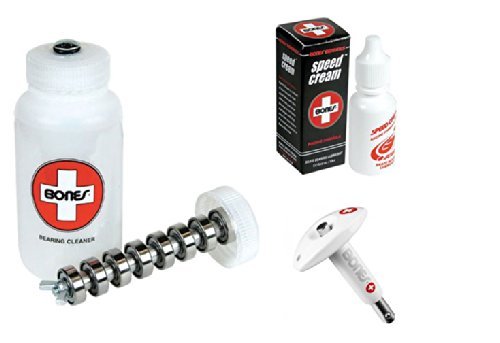
- Bones Speed Cream Skate Bearing Lubricant
- Bones Skate Bearings Cleaning Unit
- Bones Bearings Press Puller - Bones Bearing Tool - Bones Skate Tool
What I Look for When Buying Bearing Lubricant
After ruining a few sets of bearings myself, I learned to check a few simple things before buying. Here is what I pay attention to now.
Viscosity Rating
Viscosity just means how thick or thin the lubricant is. Thicker numbers like ISO 100 are for outdoor skating in wet weather.
Thinner numbers like ISO 32 work great for indoor rinks. I check the label before I buy so I do not grab the wrong one again.
Temperature Range
Some lubricants get stiff when it is cold outside. I learned this the hard way when my son’s skates felt frozen on a 40-degree morning.
Look for a lubricant that works down to at least 20 degrees Fahrenheit if you skate outdoors in winter. That keeps your bearings rolling no matter the weather.
Food-Grade or Synthetic
Food-grade lubricants are safe if kids touch the bearings and then put their hands in their mouths. I use these for my youngest skater.
Synthetic lubricants last longer and resist breaking down from heat. For adult skates that get heavy use, synthetics are worth the extra few dollars.
Spray or Dropper Bottle
I prefer dropper bottles because I can control exactly how much comes out. Spray cans waste a lot of lubricant and make a mess.
A single drop from a dropper bottle is all a bearing needs. A spray can might blast ten times that amount into one bearing.
The Mistake I See People Make With Bearing Lubricant
Most skaters grab the thickest grease they can find. They think heavy grease means heavy protection.
That is the exact mistake that kills your coasting distance. I did it myself for two years before I figured it out.
Thick grease is meant for industrial machines that spin at slow speeds. Skate bearings spin fast and need a thin film, not a thick paste.
What to Do Instead
Use the thinnest lubricant that still protects your bearings. For indoor skating, that usually means a light oil or very thin grease.
I keep two bottles in my skate bag now. One thin oil for the rink and one light grease for outdoor puddles and wet pavement.
If you only skate indoors, you probably never need thick grease at all. That single switch doubled my coasting distance overnight.
I know the frustration of pushing hard and barely rolling while everyone else glides past. That is exactly why what I grabbed for my kids solved the problem for good.
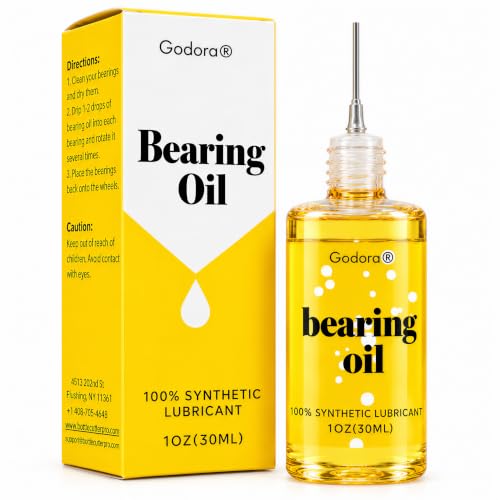
- 【HIGH QUALITY】This grade-A skateboard bearing lubricant is specially...
- 【ACCURACY & SAFETY】The precision APPLICATION NEEDLE of our skateboard...
- 【EXTENDS BEARING LIFE】This bearing lube for skateboards can quickly...
The One Drop Rule That Changed My Skating
Here is the tip I wish someone had told me years ago. Use exactly one drop of lubricant per bearing and no more.
I used to squeeze grease in until I saw it oozing out the sides. I thought that meant the bearing was fully coated and ready to go.
That oozing grease was actually stealing my speed. Every extra drop created drag that slowed me down on every push.
Now I put one tiny drop on the bearing balls and spin it by hand to spread the film. Then I wipe away any excess that seeps out the edges.
The difference was instant. My first push after switching to the one drop rule carried me twice as far across the rink floor.
Try this yourself the next time you clean your bearings. Put one drop in, spin it, wipe the excess, and feel how freely the wheel spins compared to before.
That single change made my skates feel brand new again. No fancy tools or expensive products needed, just a lighter hand with the lubricant bottle.
My Top Picks for Keeping Bearings Fast Without Over-Lubing
BSB Lube Bearing Lubricant 1/4 Tubes Inline Skate Oil — Perfect for Controlled Application
The BSB Lube comes in small quarter tubes that let me squeeze out exactly one drop at a time. I love that I cannot accidentally over-grease a bearing because the tube tip is so precise. This is perfect for skaters who want speed without the mess of a big bottle.
The only trade-off is you get less lubricant per dollar compared to a bulk bottle.
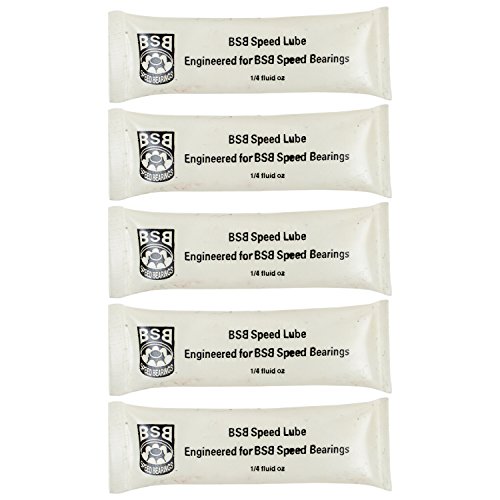
- Includes 5 Single Use 1/4 Fluid Oz Tubes (Single use refers to 16 bearings)
- Specifically formulated for BSB by a leader in lubricant technology
- Enhance lubricity for low friction, smooth rolling performance. Prolongs...
Liquid Bearings 100% Synthetic Oil for Roller Skates — Best for Maximum Coasting Distance
Liquid Bearings synthetic oil is what I switched to when I wanted my kids to roll farther with less effort. It is extremely thin so it creates almost no drag inside the bearing. This oil is ideal for indoor rink skaters who prioritize speed over weather protection.
The honest downside is it does not repel water well, so keep it away from wet pavement.
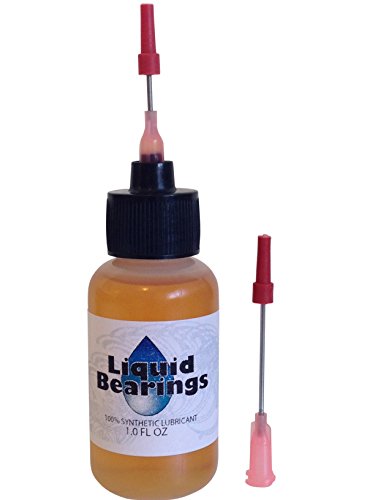
- 100%-synthetic lubricant, perfect for all skates!
- Immediately begins to displace old petro-oils or sprays.
- Makes sluggish bearings much quieter and smoother!
Conclusion
The single most important thing I learned is that less lubricant means more coasting distance every single time.
Go grab your skates right now, spin each wheel by hand, and wipe away any excess grease you see seeping out around the bearing edges. That five-minute check might be the reason you suddenly glide twice as far on your next skate session.
Frequently Asked Questions about Why Does Bearing Lubricant Decrease Coasting Distance on My Skates?
How much lubricant should I put in each bearing?
Use exactly one small drop per bearing. That is all it takes to coat the balls inside.
More than one drop just creates drag that slows your roll. I learned this after years of over-lubing my own skates.
Can I use WD-40 on my skate bearings?
WD-40 is not a lubricant. It is a water displacer that will dry out your bearings over time.
Use a proper bearing oil or thin grease instead. Your bearings will last much longer and roll much faster.
Why do my wheels spin slower after I clean and re-lube them?
You probably used too much lubricant or the wrong thickness. Thick grease creates resistance inside the bearing.
Try wiping away all excess lubricant after applying. A thin film is all you need for maximum speed.
What is the best lubricant for a beginner skater who just wants to coast farther?
If you are new to skating and frustrated by slow wheels, you need a thin synthetic oil that creates almost no drag. That frustration of pushing hard and barely moving is exactly why I searched for a better option.
I recommend starting with what I grabbed for my kids when they complained about slow skates. It made an immediate difference in their coasting distance.

- All BONES WHEELS unique formulas are solely developed and produced in our...
- Cleaning Kit + Speed Cream
- Cap with pin to put your bearings on
Which lubricant works best for outdoor skating in wet conditions?
Outdoor skating needs a light grease that repels water without creating too much drag. You do not want to lose all your speed just to keep dirt out.
For wet pavement and rainy days, the ones I sent my sister to buy handle moisture well while still letting you coast a decent distance. It strikes the right balance for outdoor use.

- Bones Speed Cream
- Instructions
Should I use oil or grease in my skate bearings?
Use oil if you skate indoors and want maximum coasting distance. Use light grease if you skate outdoors in wet or dirty conditions.
I keep both in my bag and switch depending on where I am skating that day. It takes thirty seconds to swap and makes a huge difference.