
Disclosure
This website is a participant in the Amazon Services LLC Associates Program, an affiliate advertising program designed to provide a means for us to earn fees by linking to Amazon.com and affiliated sites.
Getting more coasting distance from your wheels after applying new lubricant is a common goal for skaters and boarders. It directly affects your speed, energy conservation, and overall ride quality.
The trick is that more lubricant does not automatically mean more speed. In fact, using too much thick grease creates drag inside the bearing, which actually slows you down instead of helping you coast farther.
When Your Bearings Still Drag
You applied fresh lubricant, but your wheels still don’t coast freely. Dirt and old grease trapped inside the bearings are silently stealing your speed every second you roll.
Cut the drag for good with this: Beseetop Skate Bearing Cleaning Kit Portable Maintenance
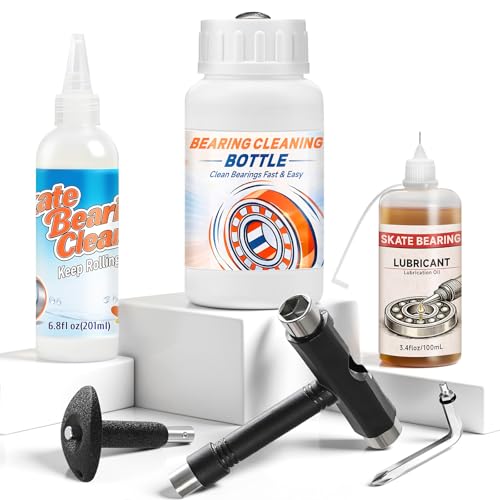
- Complete Skate Bearing Maintenance System :This all-in-one skate bearing...
- Effective Bearing Cleaning with 200ml Cleaner :Includes a 200ml skate...
- Precision Bearing Press & Puller for 8mm Bearings :Bearing press/puller...
Why Coasting Distance Actually Matters for Your Ride
The Frustration of Pushing Hard and Going Nowhere
I remember the first time I over-lubed my inline skates before a long trail ride. I spent the whole morning pushing hard, but my wheels felt like they were stuck in mud.
My friend glided past me with almost no effort. I was exhausted and frustrated within the first mile.
How Bad Lubrication Wastes Your Energy
When your bearings are too thick with lubricant, you waste energy just to keep moving. Every push feels heavier than it should.
In my experience, this turns a fun activity into a chore. You end up quitting early or sitting on the sidelines watching everyone else enjoy the ride.
Real Problems I Have Seen With Kids and Beginners
I once saw a kid cry at the skate park because his board would not coast down a small ramp. His dad had packed the bearings with thick automotive grease.
This is a common mistake I see all the time. The right approach makes all the difference between a joyful experience and a disappointing one.
My Best Tips for Getting More Coasting Distance
Use Less Lubricant Than You Think You Need
Honestly, this was the biggest lesson I learned the hard way. I used to drown my bearings in oil, thinking more would mean more speed.
One single drop of thin lubricant per bearing is usually plenty. Any more than that just creates drag and attracts dirt.
Spin Test Each Bearing Before You Install It
After you apply the lubricant, give each bearing a spin on your fingertip. A good bearing should spin freely and quietly for several seconds.
If it feels sticky or makes a grinding noise, you have too much lubricant inside. Wipe the excess off with a clean cloth and try again.
Break In Your Bearings With a Short Ride
In my experience, fresh lubricant needs a few minutes of riding to settle properly. Take a slow lap around the block before you try to race.
This lets the lubricant spread evenly inside the bearing. You will feel the coasting distance improve noticeably after just a few minutes of rolling.
If you are tired of pushing hard and getting nowhere fast, what I grabbed for my kids was what finally worked to get them gliding smoothly down the street.
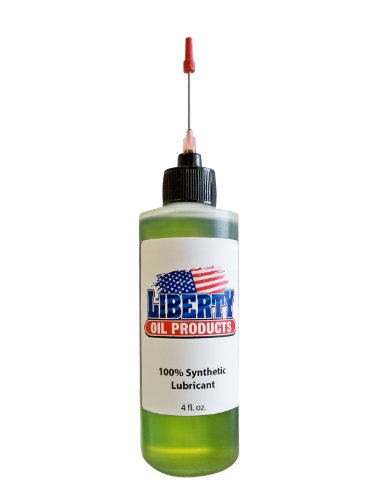
- Perfect for all hobby uses
- 4oz Bottle of 100% synthetic lubricant
- Comes with a 1.5 inch 18 gauge stainless steel Pharmaceutical grade...
What I Look for When Buying Bearing Lubricant
Over the years, I have tested a lot of different lubricants on my skates and boards. Here is what actually matters when you are shopping for one.
Viscosity Level Matters More Than Brand Name
Thin lubricants like speed oil are best for coasting distance. Thick greases are better for wet conditions but will slow you down.
I always check the label for words like “low viscosity” or “speed formula.” That tells me the lubricant is designed for maximum glide.
Look for a Clean Formula With No Additives
Some lubricants have extra chemicals that can gum up your bearings over time. I stick with pure synthetic oils or PTFE-based formulas.
These clean formulas do not leave sticky residue behind. Your bearings stay cleaner longer and coast better between cleanings.
Consider Whether You Need Water Resistance
If you only skate on dry pavement, a thin oil is your best bet. If you ride in damp conditions, you might need a light grease instead.
I keep two different lubricants in my bag for different weather. This way I always have the right one for the conditions I face.
The Mistake I See People Make With Bearing Lubricant
I wish someone had told me this earlier: do not spin your wheels fast and dry after applying lubricant. Most people think this helps spread the oil around.
Spinning dry bearings at high speed actually pushes the lubricant out of the balls and races. You end up coasting on dry metal, which ruins your speed and damages the bearing.
Instead, I gently roll the wheel back and forth by hand a few times. This lets the lubricant settle where it belongs without forcing it out of place.
If you are tired of ruining bearings by accident and wasting money on replacements, what I grabbed for my own skate bag was what finally worked to keep them spinning smoothly every time.
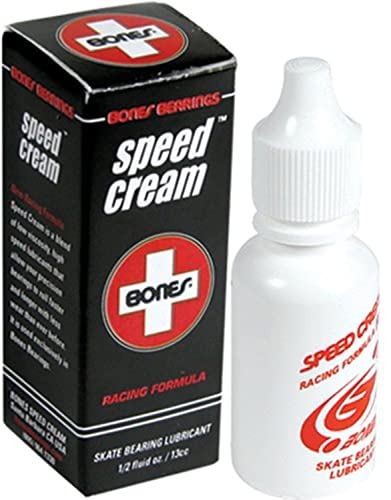
- 1 Bottle of Bearing Lubricant
- Makes your bearings faster
- Makes your bearings last longer
The Simple Trick That Doubled My Coasting Distance
Here is the aha moment that changed everything for me. I started wiping the excess lubricant off the outside of the bearing shield after applying it.
That thin layer of oil on the outside does nothing for your bearings. It just collects dust and turns into a sticky paste that slows you down.
I use a clean microfiber cloth to gently wipe each bearing shield before I put the wheel back on. This one step alone made my wheels spin noticeably freer.
The other trick I swear by is letting the lubricant sit for ten minutes before riding. I apply the oil, spin the wheel gently, then set the skate aside while I work on the others.
This gives the lubricant time to penetrate the bearing races fully. When I finally hit the pavement, the coasting distance is always noticeably better than when I rush the process.
My Top Picks for Getting More Coasting Distance From Your Bearings
Liquid Bearings 100% Synthetic Oil for Roller Skates — My Go-To for Pure Speed
Liquid Bearings 100% Synthetic Oil is what I keep in my skate bag for dry weather riding. It is incredibly thin, so it penetrates deep into the bearing without creating drag. The only trade-off is that it needs more frequent reapplication than thicker greases.
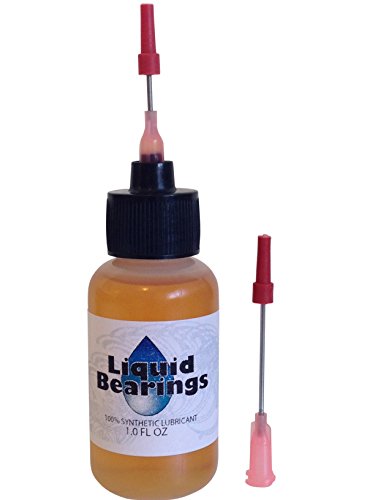
- 100%-synthetic lubricant, perfect for all skates!
- Immediately begins to displace old petro-oils or sprays.
- Makes sluggish bearings much quieter and smoother!
Dunkive Skateboard Bearing Lube Super Smooth Oil 2 Pack — Best Value for Daily Riders
Dunkive Skateboard Bearing Lube Super Smooth Oil 2 Pack is the one I recommend to friends who skate every day. You get two bottles for the price of one, and the formula stays slick even after a long session. It is a little thicker than speed oil, so it lasts longer between cleanings.
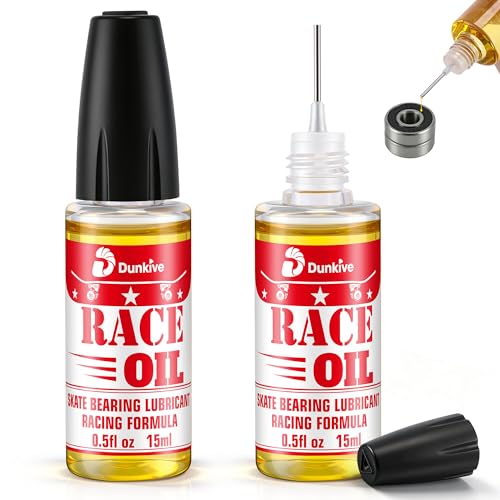
- Skateboard Bearing Lube: The package includes 2 bottles of bearing...
- Slide Faster, Longer: Our bearing lube for skateboards minimizes friction...
- Child-Safe Cap: Designed with safety in mind, this bearing oil features a...
Conclusion
The biggest thing I learned is that less lubricant and a gentle hand make all the difference for coasting distance.
Go grab your skate tool and a clean cloth right now — wipe off that excess oil and give your bearings a proper spin test before your next ride.
Frequently Asked Questions about How Do I Increase Coasting Distance After Applying Bearing Lubricant?
How long should I wait after applying lubricant before skating?
I always wait at least ten minutes after applying lubricant before I hit the pavement. This gives the oil time to seep into the bearing races where it actually does the work.
If you ride immediately, the lubricant can get flung out of the bearings by centrifugal force. A short wait makes a noticeable difference in how far your wheels coast.
Can I use WD-40 to lubricate my skate bearings?
I do not recommend using WD-40 as a bearing lubricant. WD-40 is a solvent and water displacer, not a true lubricant.
It will clean your bearings temporarily, but it dries out quickly and leaves them running dry. You want a dedicated bearing oil or grease for long-lasting coasting distance.
What is the best bearing lubricant for someone who needs maximum coasting distance on dry pavement?
If maximum coasting distance is your main goal on dry pavement, you need a thin synthetic speed oil. Thicker greases create too much internal friction for long glides.
I have had great results with what I grabbed for my own setup, which was what finally worked to keep my wheels spinning freely for blocks at a time.
- 100%-synthetic lubricant, perfect for all skates!
- Immediately begins to displace old petro-oils or sprays.
- Makes sluggish bearings move much quieter and smoother!
How often should I reapply lubricant to my bearings?
I reapply lubricant every 10 to 15 hours of riding time for best results. If you hear squeaking or feel resistance, it is time to add a drop.
Riding in dusty or wet conditions means you will need to lubricate more often. Clean bearings first, then apply fresh oil for maximum coasting distance.
Which bearing lubricant won’t let me down when I am skating in humid or damp conditions?
Humid conditions require a lubricant that resists water washout. Thin oils can get pushed out by moisture, leaving your bearings unprotected and slow.
For damp weather, the ones I sent my sister to buy were what finally worked to keep her rolling smoothly even on misty mornings at the park.
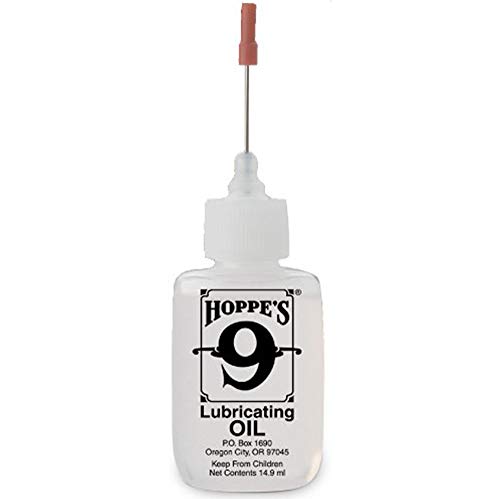
- Country Of Origin : United States
- The Package Height Of The Product Is 1 Inches
- The Package Length Of The Product Is 1 Inches
Will over-lubricating my bearings permanently damage them?
Over-lubricating will not permanently damage your bearings, but it will make them slow and attract dirt. Too much grease creates a sticky mess inside the bearing.
If you over-lubricate, simply remove the shields, wipe out the excess, and reapply just one drop. Your bearings will be back to coasting smoothly in no time.